As a supplier of Acid Etching For Glass, I've been deeply involved in the glass - etching industry for quite some time. One of the most critical issues we face is the proper disposal of waste acid from glass etching. In this blog, I'll share some scientific and reasonable methods for dealing with this problem.
The Nature of Waste Acid from Glass Etching
Before we discuss how to dispose of waste acid, it's essential to understand its nature. The waste acid generated during glass etching usually contains various acids such as hydrofluoric acid (HF), sulfuric acid (H₂SO₄), and nitric acid (HNO₃), along with dissolved glass components like silica (SiO₂), calcium oxide (CaO), and other metal oxides. These acids are highly corrosive, and some, like hydrofluoric acid, are extremely toxic. The presence of dissolved glass components also complicates the disposal process.
1. Neutralization Method
The most common and straightforward method for waste - acid disposal is neutralization. This process involves adding a base to the waste acid to raise its pH to a neutral level (around pH 7).
1.1 Choosing the Right Base
- Calcium carbonate (CaCO₃): It is a widely used base for waste - acid neutralization. Calcium carbonate is relatively inexpensive and readily available. When it reacts with acids, it forms salts, water, and carbon dioxide. For example, when reacting with sulfuric acid, the chemical equation is: H₂SO₄ + CaCO₃ = CaSO₄ + H₂O+CO₂↑. The resulting calcium sulfate can be filtered out as a solid precipitate.
- Sodium hydroxide (NaOH): It is a strong base that can quickly neutralize acids. However, it is more expensive than calcium carbonate and requires careful handling due to its high reactivity. The reaction between sodium hydroxide and hydrofluoric acid is: HF + NaOH = NaF + H₂O.
1.2 The Neutralization Process
- First, measure the pH of the waste acid to determine the amount of base needed. This can be done using a pH meter or pH test strips.
- Slowly add the base to the waste acid while continuously stirring. This helps to ensure a uniform reaction and prevent local over - neutralization.
- Monitor the pH during the process. Once the pH reaches around 7, stop adding the base.
2. Recycling and Reuse
Recycling waste acid is an environmentally friendly and cost - effective approach.
2.1 Acid Recovery
- Distillation: For waste acids containing sulfuric acid or nitric acid, distillation can be used to separate the acid from other impurities. The waste acid is heated, and the acid with a lower boiling point vaporizes first. It is then condensed and collected. For example, sulfuric acid has a relatively high boiling point, and by carefully controlling the distillation temperature, other volatile components can be removed.
- Ion - exchange Resins: These resins can selectively adsorb acid anions from the waste acid solution. After adsorption, the acid can be desorbed from the resin using a suitable eluent, and the resin can be reused.
2.2 Reusing the Recovered Acid
- The recovered acid can be reused in the glass - etching process. However, it may need to be adjusted in terms of concentration and purity. Before reuse, it's necessary to test the acid to ensure that it meets the requirements for glass etching.
3. Chemical Precipitation
This method is used to remove heavy metals and other dissolved solids from the waste acid.
3.1 Precipitating Agents
- Sodium sulfide (Na₂S): It can react with heavy metal ions in the waste acid to form insoluble metal sulfides. For example, if there are copper ions (Cu²⁺) in the waste acid, the reaction is: Cu²⁺+Na₂S = CuS↓ + 2Na⁺.
- Calcium hydroxide (Ca(OH)₂): It can also be used to precipitate metal hydroxides. For instance, iron ions (Fe³⁺) can react with calcium hydroxide to form iron hydroxide precipitate: 2Fe³⁺ + 3Ca(OH)₂ = 2Fe(OH)₃↓+3Ca²⁺.
3.2 The Precipitation Process
- Add the precipitating agent to the waste acid under stirring.
- Allow the mixture to settle for a period of time so that the precipitates can sediment at the bottom.
- Separate the precipitates from the liquid by filtration or sedimentation.
4. Biological Treatment
In some cases, biological treatment can be used to degrade organic contaminants in the waste acid.

4.1 Microorganisms
- Certain bacteria can tolerate acidic environments and break down organic substances. For example, acid - tolerant bacteria can be used to treat waste acid containing small amounts of organic solvents.
- These bacteria are usually cultured in a suitable medium and then added to the waste acid solution. They use the organic contaminants as a carbon source for growth and metabolism.
4.2 Treatment Conditions
- The temperature, pH, and oxygen content need to be carefully controlled to ensure the growth and activity of the bacteria. Generally, a slightly acidic to neutral pH and a suitable temperature (around 25 - 30°C) are favorable for most acid - tolerant bacteria.
Our Glass - Etching Products
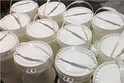
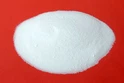
As a supplier, we offer a range of high - quality glass - etching products, such as AG GALSS ETCING POWDER FOR ACID ETCHING GLASS PRODUCTION, YK - I Glass Etching Powder, and Etching Powder for Glass. These products are formulated to ensure efficient glass etching while minimizing waste - acid generation.
Conclusion
Proper disposal of waste acid from glass etching is crucial for environmental protection and compliance with regulations. By using methods such as neutralization, recycling, chemical precipitation, and biological treatment, we can effectively manage waste acid. As a supplier, we are committed to providing high - quality glass - etching products and promoting sustainable waste - management practices.
If you are interested in our glass - etching products or have any questions about waste - acid disposal, please feel free to contact us for procurement and further discussions.
References
- Smith, J. (2018). Chemical Waste Management in the Glass Industry. Environmental Science Journal, 25(3), 123 - 135.
- Johnson, A. (2019). Acid Recovery Technologies for Industrial Waste Acids. Chemical Engineering Review, 32(2), 89 - 102.
- Brown, C. (2020). Biological Treatment of Acidic Industrial Wastes. Biotechnology Today, 18(4), 56 - 64.