Achieving a consistent frosting effect across multiple glass panels is a crucial aspect for many industries, including architecture, interior design, and the production of glassware. As a supplier of Flat Glass Frosting Powder, I understand the challenges and intricacies involved in this process. In this blog post, I will share some insights and practical tips on how to ensure a uniform and high - quality frosting effect on multiple glass panels.
Understanding the Basics of Glass Frosting
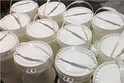
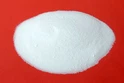
Before delving into the methods of achieving consistent frosting, it is essential to understand how glass frosting works. Glass frosting powder contains chemicals that react with the surface of the glass to create a rough, matte finish. The main chemical components usually include hydrofluoric acid salts or other etching agents. When the powder is mixed with water to form a paste and applied to the glass surface, the chemicals etch the glass, altering its smoothness and creating the characteristic frosted look.
Pre - treatment of Glass Panels
One of the first steps in ensuring consistent frosting is the proper pre - treatment of the glass panels. Any dirt, grease, or fingerprints on the glass surface can interfere with the frosting process and lead to uneven results.
- Cleaning: Start by thoroughly cleaning the glass panels with a glass cleaner and a lint - free cloth. This will remove any surface contaminants. For stubborn stains, a mild abrasive cleaner can be used, but make sure to rinse the glass thoroughly afterward to avoid leaving any residue.
- Inspection: Carefully inspect the glass panels for any scratches, chips, or other imperfections. These defects can affect the frosting process and may result in visible differences in the final appearance. If any significant defects are found, it is advisable to replace the damaged glass panels.
Consistent Mixing of Frosting Powder
The way you mix the frosting powder is critical for achieving a uniform frosting effect.
- Proportion: Follow the manufacturer's instructions regarding the ratio of frosting powder to water. Using the correct proportion ensures that the chemical reaction occurs evenly across the glass surface. Deviating from the recommended ratio can lead to either too weak or too strong an etching effect.
- Mixing Technique: Use a clean container and a stirrer to mix the powder and water. Stir the mixture thoroughly until it forms a smooth, homogeneous paste. Make sure there are no lumps in the paste, as these can cause uneven frosting. If possible, use a mechanical mixer for large - scale projects to ensure consistent mixing.
Application of Frosting Paste
The application of the frosting paste also plays a significant role in achieving a consistent effect.
- Tools: Use a high - quality applicator, such as a paintbrush or a roller, depending on the size and shape of the glass panels. Make sure the applicator is clean and free of any debris before use.
- Technique: Apply the frosting paste evenly across the glass surface. Start from one corner of the panel and work your way across in a smooth, continuous motion. Avoid applying too much pressure, as this can cause the paste to spread unevenly. For large panels, it may be necessary to work in sections, but make sure to blend the edges of each section to avoid visible lines.
Environmental Conditions
The environmental conditions during the frosting process can have a significant impact on the final result.
- Temperature: The ideal temperature for glass frosting is usually between 15°C and 25°C (59°F - 77°F). Extreme temperatures can affect the chemical reaction rate and lead to uneven frosting. If the temperature is too low, the reaction may be too slow, resulting in a weak frosting effect. If the temperature is too high, the reaction may occur too quickly, leading to a rough and uneven finish.
- Humidity: High humidity can also interfere with the frosting process. It is best to work in a well - ventilated area with a relative humidity of around 40% - 60%. Excessive humidity can cause the frosting paste to dry too slowly or form a film on the glass surface, which can affect the final appearance.
Drying and Curing
After applying the frosting paste, allow the glass panels to dry and cure properly.
- Drying Time: Follow the manufacturer's instructions regarding the drying time. This can range from a few minutes to several hours, depending on the type of frosting powder and the environmental conditions. Do not touch the glass surface during the drying process to avoid smudging or damaging the frosting.
- Curing: Once the frosting paste has dried, the glass panels need to be cured to ensure a durable and long - lasting finish. Curing usually involves exposing the glass to a specific temperature and humidity for a certain period. Again, follow the manufacturer's guidelines for the best results.
Quality Control
Regular quality control checks are essential to ensure that all glass panels have a consistent frosting effect.
- Visual Inspection: After the glass panels have dried and cured, visually inspect them under different lighting conditions. Look for any areas of uneven frosting, streaks, or other visible defects. If any issues are found, they can be corrected by re - applying the frosting paste to the affected areas.
- Comparison: Compare the frosted glass panels side by side to check for any differences in appearance. This will help you identify any inconsistencies and take corrective action if necessary.
Examples of Applications
The consistent frosting of glass panels has a wide range of applications.
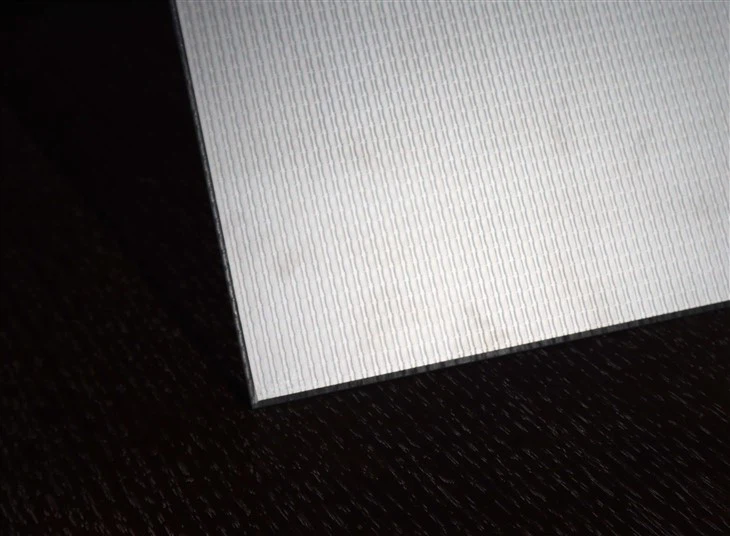
- Architecture: In architectural projects, frosted glass panels are often used for partitions, windows, and doors. A consistent frosting effect enhances the aesthetic appeal of the building and creates a professional look. For example, Moulded Satin Matte Glass can be used to create unique and stylish architectural features.
- Interior Design: In interior design, frosted glass is used for decorative purposes, such as in cabinets, shower enclosures, and room dividers. A uniform frosting effect adds a touch of elegance to the interior space. Satin Effect Flat Glass With Pattern is a popular choice for creating visually appealing interior elements.
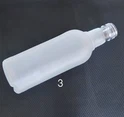
- Glassware Production: For glassware such as bottles and jars, a consistent frosting effect is essential for maintaining a high - quality brand image. Why Cosmetics Always Use Matt Glass Bottles? explores the reasons behind the use of frosted glass in the cosmetics industry.
Contact for Purchase and Consultation
If you are looking for high - quality Flat Glass Frosting Powder to achieve a consistent frosting effect across multiple glass panels, I am here to assist you. Our frosting powder is formulated to provide a reliable and uniform frosting result. Whether you are a large - scale manufacturer or a small - scale DIY enthusiast, we can offer the right product for your needs. Please feel free to contact us for more information and to discuss your specific requirements. We look forward to working with you to achieve the perfect frosting effect for your glass panels.

References
- Glass Industry Handbook: A comprehensive guide to glass manufacturing and processing.
- Chemical Principles of Glass Etching: An in - depth study of the chemical reactions involved in glass frosting.
- Architectural Glass Design: A resource for the use of glass in architectural projects.