Hey there! As a supplier of chemical etching for glass, I've seen firsthand how crucial it is to ensure the compatibility of chemicals in this process. In this blog, I'm gonna share some tips and insights on how to make sure everything works smoothly when you're etching glass.
Understanding the Basics of Chemical Etching for Glass
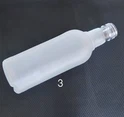
First off, let's quickly go over what chemical etching for glass is. Chemical etching is a process where you use chemicals to remove a thin layer of glass from the surface, creating a frosted or decorative effect. It's a popular technique for adding designs to glassware, like Lime Soda Peach Drink Bottle Beverage Glass Bottle Wine Bottle With Special Efection.
The most common chemicals used in glass etching are hydrofluoric acid (HF) and its salts, like ammonium bifluoride. These chemicals react with the silica in the glass, breaking it down and creating the etched effect. But here's the thing: not all chemicals are created equal, and they don't all play nice together.


Factors Affecting Chemical Compatibility
There are several factors that can affect the compatibility of chemicals in glass etching. Let's take a look at some of the most important ones.
Chemical Reactivity
Different chemicals have different levels of reactivity. Some chemicals are highly reactive and can cause violent reactions when mixed with certain other chemicals. For example, hydrofluoric acid is extremely reactive and can react with many metals and organic compounds. If you mix HF with the wrong chemical, it could lead to a dangerous situation, like an explosion or the release of toxic gases.
pH Levels
The pH level of a chemical solution can also affect its compatibility with other chemicals. Some chemicals work best in acidic conditions, while others prefer alkaline environments. If you mix chemicals with very different pH levels, it can cause the chemicals to react in unexpected ways, or it might even neutralize the etching effect.
Temperature
Temperature plays a big role in chemical reactions. Some chemicals react faster at higher temperatures, while others are more stable at lower temperatures. If you're not careful with the temperature during the etching process, it can affect the compatibility of the chemicals and the quality of the etched glass.
Concentration
The concentration of the chemicals in the solution is another important factor. If you use too high a concentration of a chemical, it can cause over-etching or damage to the glass. On the other hand, if the concentration is too low, the etching effect might not be strong enough.
Tips for Ensuring Chemical Compatibility
Now that we know what factors can affect chemical compatibility, let's talk about some tips for making sure everything goes smoothly.
Do Your Research
Before you start mixing any chemicals, do your homework. Read up on the properties of each chemical you're planning to use and find out what other chemicals they're compatible with. You can find a lot of information online, like on the Chemical Used for Glass Etching page.
Start Small
When you're testing out a new combination of chemicals, start with a small batch. This way, if something goes wrong, you won't waste a lot of materials. You can gradually increase the batch size once you're confident that the chemicals are compatible.
Follow the Instructions
Always follow the instructions provided by the chemical manufacturer. They know their products best and can give you the most accurate information on how to use them safely and effectively.
Use a Test Piece
Before you etch your final glass product, use a test piece to see how the chemicals react. This will give you a chance to make any adjustments to the chemical mixture or the etching process if needed.
Monitor the Process
Keep a close eye on the etching process. Check the temperature, the pH level, and the concentration of the chemicals regularly. If you notice any changes or problems, take action immediately.
Choosing the Right Chemicals
Choosing the right chemicals is crucial for ensuring compatibility in glass etching. Here are some things to consider when selecting chemicals.
Quality
Make sure you're using high-quality chemicals. Cheap or low-quality chemicals might contain impurities that can affect the etching process and the compatibility of the chemicals.
Purity
The purity of the chemicals is also important. Impurities can react with other chemicals and cause problems. Look for chemicals that are labeled as pure or high-purity.
Compatibility
As we mentioned earlier, not all chemicals are compatible with each other. Make sure you choose chemicals that are known to work well together in glass etching. You can consult with a chemical expert or refer to industry guidelines for more information.
Storage and Handling of Chemicals
Proper storage and handling of chemicals are essential for maintaining their compatibility. Here are some tips to keep in mind.
Store Chemicals Separately
Store different chemicals in separate containers to prevent accidental mixing. Make sure the containers are labeled clearly with the name of the chemical and any safety information.
Keep Chemicals in a Cool, Dry Place
Most chemicals are sensitive to heat and moisture. Store them in a cool, dry place away from direct sunlight and sources of heat.
Use Proper Safety Equipment
When handling chemicals, always use the appropriate safety equipment, like gloves, goggles, and a respirator. This will protect you from any potential hazards.
Troubleshooting Chemical Compatibility Issues
Even if you take all the necessary precautions, you might still run into some chemical compatibility issues. Here are some common problems and how to solve them.
Uneven Etching
If you notice that the etching is uneven, it could be due to a problem with the chemical mixture or the etching process. Check the concentration of the chemicals, the temperature, and the pH level. You might also need to adjust the etching time or the way you apply the chemicals.
Cloudy or Hazy Glass
A cloudy or hazy appearance on the etched glass could be a sign of a chemical reaction that's not going as planned. It could be due to impurities in the chemicals, or it might be because the chemicals are not compatible. Try using a different batch of chemicals or adjusting the chemical mixture.
Chemical Reactions
If you see signs of a chemical reaction, like bubbling, fizzing, or the release of heat or gas, stop the process immediately. This could be a sign of an incompatible chemical mixture or a dangerous reaction. Make sure you follow the proper safety procedures to handle the situation.
Conclusion
Ensuring the compatibility of chemicals in glass etching is not always easy, but it's definitely doable. By understanding the factors that affect chemical compatibility, following the tips we've discussed, and choosing the right chemicals, you can achieve great results in your glass etching projects.
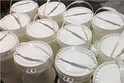
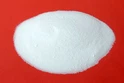
If you're in the market for high-quality Glass Etching Powder or other glass etching materials, we're here to help. We've got a wide range of products that are designed to work well together and give you the best possible etching results. If you have any questions or if you're interested in discussing your glass etching needs, don't hesitate to reach out. We're always happy to chat and help you find the right solutions for your projects.
References
- "Glass Etching: A Practical Guide" by John Doe
- "Chemical Compatibility in Industrial Processes" by Jane Smith
- Industry guidelines and standards for glass etching chemicals