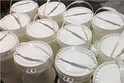
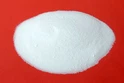
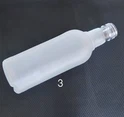
As a trusted supplier of Frosting Glass Powder, I understand the importance of maintaining the frosting effect over time. This not only enhances the aesthetic appeal of glass products but also ensures their long - term quality. In this blog, I will share some valuable insights on how to preserve the frosting effect of Frosting Glass Powder.
Understanding the Nature of Frosting Glass Powder
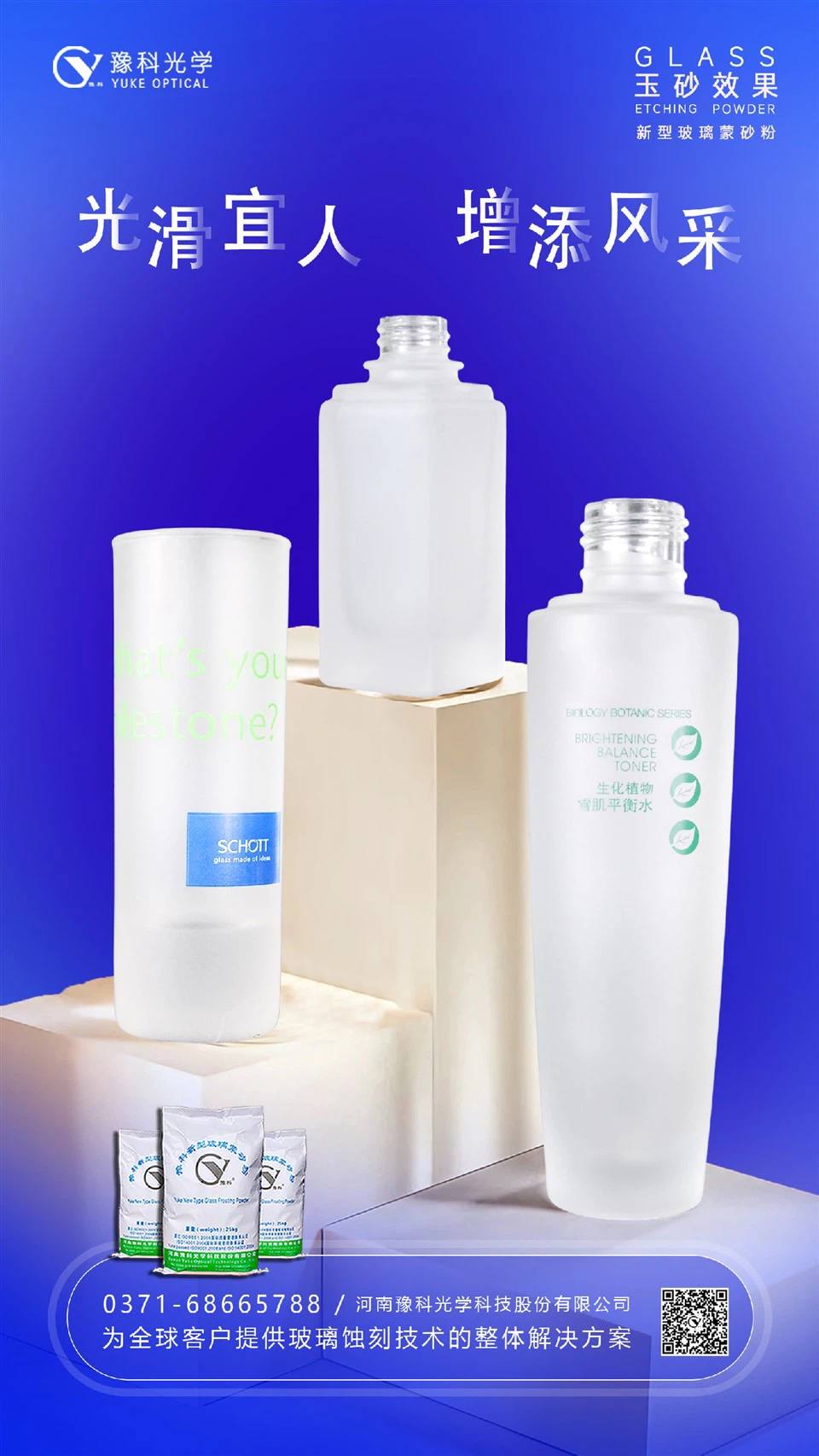
Before delving into the maintenance methods, it's crucial to understand what Frosting Glass Powder is. Frosting Glass Powder is a specialized material used to create a frosted or satin - like finish on glass surfaces. When applied correctly, it can transform clear glass into a more opaque and visually appealing product. The powder works by etching the surface of the glass, creating microscopic irregularities that scatter light and give the frosted appearance.
Factors Affecting the Frosting Effect
Several factors can influence the longevity of the frosting effect.
Chemical Exposure
One of the primary threats to the frosting effect is chemical exposure. Harsh chemicals, such as strong acids or alkalis, can react with the etched glass surface and gradually wear away the frosted layer. For example, cleaning products with high - concentration ammonia or bleach can have a detrimental impact on the frosting. When glass products with a frosted finish are used in environments where they may come into contact with such chemicals, extra care must be taken.
Physical Abrasion
Physical abrasion is another significant factor. Rough handling, scraping, or rubbing against hard surfaces can damage the frosted surface. For instance, if a frosted glass vase is placed in a crowded storage area where it can be knocked against other objects, the frosting may be scratched or worn off.
Environmental Conditions
Environmental conditions also play a role. High humidity can cause moisture to accumulate on the frosted surface, which may lead to the growth of mold or mildew in some cases. Extreme temperature changes can also put stress on the glass, potentially affecting the integrity of the frosting.
Maintenance Strategies
Proper Cleaning
Cleaning is an essential part of maintaining the frosting effect. Use mild, non - abrasive cleaning solutions. A simple mixture of warm water and a gentle dish soap can be highly effective. Dip a soft, lint - free cloth into the solution and gently wipe the frosted surface. Avoid using abrasive sponges or scrub brushes, as these can scratch the glass. When cleaning, make sure to remove any dirt, dust, or fingerprints without causing damage to the frosting. After cleaning, rinse the glass thoroughly with clean water and dry it with a soft cloth to prevent water spots.

Avoiding Chemical Contact
As mentioned earlier, avoid using harsh chemicals. If you need to clean stubborn stains, test a small, inconspicuous area of the frosted surface first with a mild cleaner to ensure it does not damage the frosting. When using cleaning products in the vicinity of frosted glass, take precautions to prevent splashing or direct contact.
Protecting from Physical Damage
To prevent physical damage, provide adequate protection for frosted glass products. For example, use protective covers or sleeves for delicate items. When transporting frosted glass, wrap them in bubble wrap or soft padding. In display settings, arrange the products in a way that minimizes the risk of contact with other objects.
Controlling the Environment
Maintain a stable environment for frosted glass products. Keep the humidity levels in check, especially in areas where the glass is stored or used. Using a dehumidifier in a damp basement or a bathroom can help prevent moisture - related issues. Additionally, try to avoid exposing frosted glass to extreme temperature changes. If possible, store frosted glass in a climate - controlled environment.
Storage Considerations
Proper storage is also crucial. When not in use, store frosted glass products in a clean, dry place. Avoid stacking them directly on top of each other, as this can cause abrasion. Instead, use individual storage compartments or place soft padding between stacked items. For example, if you have a collection of frosted glass tea cups, store them in a cabinet with dividers or wrap each cup in a soft cloth before stacking.
Additional Tips for Different Applications
Frosted Glass in Cosmetic Bottles
Cosmetic bottles often feature a frosted finish for an elegant look. When using these bottles, ensure that the cosmetic products inside are not corrosive. Some ingredients in cosmetics, such as certain essential oils or high - alcohol - content formulas, may have a negative effect on the frosting over time. Regularly check the bottles for any signs of damage or changes in the frosting. For more information on why glass cosmetic bottles often have a matte surface, you can visit Why Glass Cosmetic Bottles Surface Always Is Matt.
Frosted Glass in Tea Cups and Water Bottles
For tea cups and water bottles with a frosted finish, avoid using them with extremely hot or cold liquids. Rapid temperature changes can stress the glass. Also, be careful when inserting straws or other utensils, as they can scratch the frosting. If you are interested in the specific frosting powder for tea cups and water bottles, you can refer to TEA CUP WATER BOTTLE SATIN EFECT FORSTING POWDER GLASS.
Frequently Asked Questions
If you have more questions about our Frosting Glass Powder, including its application and maintenance, you can refer to our FAQ About Our Frosting Powder.
Conclusion
Maintaining the frosting effect of Frosting Glass Powder over time requires a combination of proper cleaning, protection from chemicals and physical damage, and control of environmental conditions. By following these strategies, glass products with a frosted finish can retain their beauty and functionality for a long time.
As a Frosting Glass Powder supplier, we are committed to providing high - quality products and sharing our expertise with our customers. If you are interested in purchasing our Frosting Glass Powder or have any questions about its application and maintenance, please feel free to contact us for further discussion. We look forward to working with you to create and maintain beautiful frosted glass products.
References
- "Glass Science and Technology" by David R. Uhlmann and Norman J. Kreidl
- "The Chemistry of Glass" by Peter W. McMillan
- Industry reports on glass surface treatment and finishing