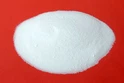
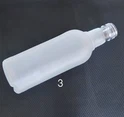
Hey there! I'm a supplier of ordinary glass frosting powder, and I know firsthand how amazing this stuff can be for giving glass that cool, frosted look. Whether it's for Cosmetic Bottle Surface Glass Decorative Material, Flat Glass Frosting Powder, or creating Tea Cup Water Bottle Artistic Flower Pattern, it's a game - changer. But here's the deal: working with this powder can be a bit rough on your hands. So, let's talk about how to protect your hands when using ordinary glass frosting powder.
Why Hand Protection is a Must
First off, you're probably wondering why hand protection is so important. Well, ordinary glass frosting powder contains some chemicals that can be pretty harsh on your skin. These chemicals work to etch the glass and give it that frosted appearance, but they can also cause irritation, burns, and even long - term damage if you're not careful.
Skin is the largest organ of our body, and our hands are constantly exposed when we're using the frosting powder. The fingertips, which are so sensitive, can be especially affected. You don't want to end up with dry, cracked, and painful hands after a bit of frosting work. Trust me, I've seen it happen to a few people who weren't taking the right precautions.
Choosing the Right Gloves
The first and most obvious way to protect your hands is by wearing gloves. But not just any gloves will do. You need gloves that are chemical - resistant.
Nitrile Gloves
Nitrile gloves are my go - to. They're resistant to a wide range of chemicals found in glass frosting powder, like hydrofluoric acid in some formulations. They're also more durable than latex gloves and less likely to cause an allergic reaction. Nitrile gloves come in different thicknesses. For working with glass frosting powder, I'd recommend a medium - to - thick pair. You don't want them too thin because they might tear easily, but you also don't want them so thick that you can't feel what you're doing.
Latex Gloves
Latex gloves are another option, but they're not as chemical - resistant as nitrile. They're suitable for light - duty work with the frosting powder if it doesn't have extremely harsh chemicals. However, many people are allergic to latex, so be careful if you're one of them.
PVC Gloves
PVC gloves can also be used, especially for short - term exposure. They're relatively inexpensive, but they might not hold up as well as nitrile gloves for long - term or heavy - duty use.
Pre - treatment of Your Hands
Before you even put on those gloves, there are some things you can do to protect your hands from the inside out.
Moisturize
Using a good quality hand moisturizer is a great first step. Apply a thick layer of moisturizer to your hands and let it soak in. This creates a barrier between your skin and the chemicals in the frosting powder. It also keeps your skin hydrated, which is important because the chemicals can dry out your skin. Choose a moisturizer that contains natural ingredients like shea butter or coconut oil.
Wear a Moisture - Wicking Under - layer
Some people like to wear a thin layer of cotton or other moisture - wicking material under their gloves. This helps keep your hands dry by absorbing sweat. When your hands are sweaty inside the gloves, it can break down the glove material faster and make the chemicals more likely to seep through.


During the Process
Once you've got your gloves on and you're ready to use the glass frosting powder, there are still some things you need to keep in mind to protect your hands.
Avoid Touching Your Face or Other Parts of Your Body
This might sound obvious, but you'd be surprised how easy it is to forget. If you touch your face or other sensitive areas with your gloved hands that have come into contact with the frosting powder, you can transfer the chemicals and cause irritation. So, try to be extra careful and break that habit of rubbing your eyes or scratching your nose while you're working.
Keep Your Hands Away from Sharp Objects
When working with glass, there's always a risk of broken glass. If you cut through your glove with a sharp piece of glass while your hands are also covered in frosting powder, it's a recipe for disaster. So, be extra cautious around broken glass and use proper tools to handle it.
Take Regular Breaks
Don't work for hours on end without taking a break. Take a few minutes every half - hour or so to take off your gloves, stretch your hands, and let them breathe. This not only helps prevent fatigue but also reduces the risk of the chemicals causing problems due to long - term exposure.
Post - work Hand Care
Once you're done using the glass frosting powder, it's not all over. You need to take care of your hands after the work is done.
Remove Gloves Properly
When removing your gloves, be careful not to touch the outside of the glove with your bare hands. Peel the gloves off from the inside out, turning them inside out as you remove them. This way, you avoid transferring any chemicals from the outside of the gloves to your hands.
Wash Your Hands Thoroughly
Use a mild, non - scented soap and warm water to wash your hands. Scrub for at least 20 seconds, making sure to get all the nooks and crannies, like between your fingers and under your nails. Rinse well and dry your hands with a clean towel.
Apply More Moisturizer
After washing your hands, apply another layer of moisturizer. This helps soothe any mild irritation that might have occurred during the process and restores the moisture to your skin.
Conclusion
Protecting your hands when using ordinary glass frosting powder is crucial. It takes a bit of effort, from choosing the right gloves to post - work hand care, but it's definitely worth it. Your hands are precious, and with the right precautions, you can enjoy using the amazing glass frosting powder without worrying about damaging your hands.
If you're interested in purchasing our high - quality ordinary glass frosting powder, whether it's for Cosmetic Bottle Surface Glass Decorative Material, Flat Glass Frosting Powder, or Tea Cup Water Bottle Artistic Flower Pattern, get in touch with us for procurement and negotiation. We're always here to help you achieve the best results with your glass frosting projects.
References
- "Hand Protection in Chemical Work Environments" - Journal of Occupational Safety
- "The Effects of Chemicals on Skin" - Dermatology Today
- "Choosing the Right Gloves for Chemical Resistance" - Industrial Safety Magazine