Hey there! As a supplier of Flat Glass Frosting Powder, I've been getting a lot of questions lately about how to make the frosted surface created by our powder more anti - glare. So, I thought I'd put together this blog post to share some tips and tricks.
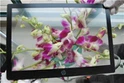
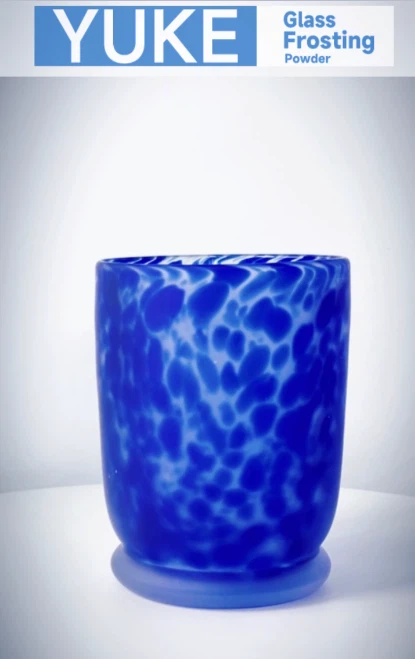
First off, let's talk about why anti - glare is important. When you create a frosted surface on glass, it can be used in a variety of applications, like Flowers Glass Vase Satin Effect Water Container, Satin Effect Colored Glass Vase, or even Glass Frosting Powder For Glass Lamp Shades, Light Fixtures, Home Ware, Vases, Containers Bottles And Art Glass.. An anti - glare surface reduces reflections and makes the glass more comfortable to look at, especially in bright light conditions.

Understanding the Basics of Flat Glass Frosting Powder
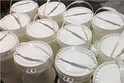
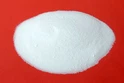
Before we dive into the anti - glare part, it's important to understand how our Flat Glass Frosting Powder works. The powder contains chemicals that etch the surface of the glass when mixed with water and applied. This etching creates a rough surface that scatters light, giving the glass a frosted appearance.
The key to a good anti - glare effect lies in controlling the roughness of this etched surface. If the surface is too smooth, it won't scatter light effectively, and you'll still get glare. On the other hand, if it's too rough, the glass may look cloudy or uneven.
Tips for a More Anti - Glare Frosted Surface
1. Mixing the Powder Correctly
The first step is to mix the Flat Glass Frosting Powder with water in the right proportions. Follow the instructions on the package carefully. If you use too much water, the solution will be too weak, and the etching may not be deep enough. If you use too little water, the solution can be too strong, leading to an overly rough surface.
For most applications, a ratio of about 1 part powder to 2 parts water works well. But you may need to adjust this slightly depending on the type of glass and the desired anti - glare effect.
2. Application Technique
How you apply the frosting solution also matters. Use a clean, soft brush or a sponge to apply the solution evenly on the glass surface. Make sure to cover the entire area you want to frost. Avoid applying too much pressure, as this can cause uneven etching.
It's also a good idea to apply the solution in thin, even layers. Let each layer dry for a few minutes before applying the next one. This helps to build up a more consistent and controlled etching.
3. Surface Preparation
Proper surface preparation is crucial. Clean the glass thoroughly before applying the frosting powder. Any dirt, grease, or fingerprints on the glass can affect the etching process and result in an uneven anti - glare surface.
You can use a glass cleaner and a lint - free cloth to clean the glass. Make sure to rinse it well and dry it completely before starting the frosting process.
4. Post - Etching Treatment
After the frosting solution has dried and the etching is complete, you can give the glass a post - etching treatment to enhance the anti - glare effect. One way to do this is by using a fine - grit sandpaper to lightly sand the frosted surface. This helps to further smooth out any rough spots and create a more uniform light - scattering surface.
Be careful when sanding, though. Use a very fine grit (around 600 - 800 grit) and sand gently in a circular motion. Don't sand too hard or for too long, as this can damage the glass.
5. Chemical Additives
There are some chemical additives that you can add to the frosting solution to improve the anti - glare properties. For example, some manufacturers offer additives that can help to control the size and shape of the etched pits on the glass surface. These additives can make the light scattering more uniform, resulting in a better anti - glare effect.
Check with your supplier to see if they have any recommended additives for your Flat Glass Frosting Powder.
Testing and Quality Control
Once you've created the frosted surface, it's important to test it for anti - glare performance. You can do this by looking at the glass in different light conditions. Hold the glass up to a bright light source and check for reflections. If you still see a lot of glare, you may need to adjust your process.
You can also compare the frosted glass with a sample of glass that has the desired anti - glare effect. This can help you to see where you need to improve.
Conclusion
Making the frosted surface created by Flat Glass Frosting Powder more anti - glare requires a combination of the right mixing, application, surface preparation, and post - treatment techniques. By following these tips, you can create a high - quality, anti - glare frosted glass that's perfect for a wide range of applications.
If you're interested in purchasing our Flat Glass Frosting Powder or have any questions about how to achieve the best anti - glare effect, don't hesitate to reach out. We're here to help you get the most out of our products and create beautiful, anti - glare frosted glass.
References
- Glass Etching Handbook: A Guide to Using Glass Frosting Powders
- Scientific Studies on Light Scattering in Frosted Glass Surfaces
So, what are you waiting for? Contact us today to start creating amazing anti - glare frosted glass!