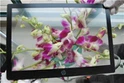
Acid etching for glass is a captivating process that allows for the creation of intricate designs and patterns on glass surfaces. As a supplier of acid etching materials for glass, I understand the allure of this art form and the importance of safety. In this blog, I'll share essential tips on how to protect yourself when engaging in acid etching for glass.
Understanding the Risks
Before delving into the safety measures, it's crucial to understand the potential risks associated with acid etching. The primary risk comes from the acidic chemicals used in the process. Hydrofluoric acid (HF), in particular, is commonly used for glass etching due to its ability to dissolve silica, the main component of glass. However, HF is extremely corrosive and can cause severe burns, tissue damage, and even systemic toxicity if it comes into contact with the skin or is inhaled.
Other acids used in glass etching, such as sulfuric acid and hydrochloric acid, are also highly corrosive and can cause chemical burns, respiratory problems, and eye damage. In addition to the chemical risks, there are also physical hazards associated with handling glass, such as cuts and abrasions from broken glass.
Personal Protective Equipment (PPE)
One of the most important steps in protecting yourself during acid etching is to wear appropriate personal protective equipment (PPE). The following are the essential PPE items you should wear:
- Gloves: Chemical-resistant gloves are a must when working with acid. Choose gloves made of materials such as neoprene, nitrile, or butyl rubber, which are resistant to the acids used in glass etching. Make sure the gloves fit well and cover your wrists to prevent acid from splashing onto your skin.
- Safety goggles: Acid can cause serious eye damage, so it's essential to wear safety goggles that provide full protection. Choose goggles with side shields to prevent acid from splashing into your eyes from the sides.
- Face shield: In addition to safety goggles, a face shield can provide an extra layer of protection for your face. A face shield can protect your eyes, nose, and mouth from acid splashes and fumes.
- Apron: A chemical-resistant apron can protect your clothing and skin from acid spills. Choose an apron made of materials such as PVC or polyethylene, which are resistant to the acids used in glass etching.
- Respirator: If you're working in a poorly ventilated area or using large amounts of acid, a respirator may be necessary to protect your lungs from acid fumes. Choose a respirator that is approved for use with the specific acids you're using and that provides adequate filtration.
Workspace Safety
Creating a safe workspace is another crucial aspect of protecting yourself during acid etching. The following are some tips for setting up a safe workspace:
- Ventilation: Adequate ventilation is essential when working with acid. Make sure your workspace is well-ventilated, either by opening windows and doors or by using a ventilation system. If you're working in a small area, you may want to consider using a fume hood to capture and remove acid fumes.
- Workbench: Choose a workbench that is made of a material that is resistant to acid, such as stainless steel or polyethylene. Avoid using wooden or plastic workbenches, as these materials can be damaged by acid.
- Storage: Store your acid and other chemicals in a cool, dry place away from heat sources and flammable materials. Make sure the chemicals are properly labeled and stored in a secure location to prevent spills and accidents.
- Emergency equipment: Keep a first aid kit and an emergency eyewash station nearby in case of an accident. Make sure you know how to use the first aid kit and the eyewash station and that they are easily accessible.
Handling Acid
Proper handling of acid is essential to prevent accidents and injuries. The following are some tips for handling acid safely:
- Read the label: Before using any acid, read the label carefully to understand the hazards and safety precautions. Make sure you follow the instructions on the label and use the acid only as directed.
- Dilution: If you need to dilute the acid, always add the acid to the water, not the other way around. Adding water to acid can cause a violent reaction and splashing, which can be dangerous.
- Transferring acid: When transferring acid from one container to another, use a funnel or a pipette to prevent spills. Make sure the containers are properly labeled and that you're using the correct container for the acid.
- Cleanup: If you spill acid, clean it up immediately. Use a neutralizing agent, such as baking soda, to neutralize the acid and then wipe up the spill with a paper towel or a sponge. Make sure you dispose of the contaminated materials properly.
Glass Handling
Handling glass safely is also important to prevent cuts and abrasions. The following are some tips for handling glass safely:
- Use a glass cutter: When cutting glass, use a glass cutter to prevent the glass from breaking unevenly and causing cuts. Make sure you follow the instructions on the glass cutter and use it only as directed.
- Wear gloves: Wear gloves when handling glass to prevent cuts and abrasions. Choose gloves that provide good grip and protection.
- Support the glass: When handling large pieces of glass, make sure you support the glass properly to prevent it from breaking. Use a glass handling suction cup or a glass handling trolley to support the glass.
- Dispose of broken glass properly: If you break a piece of glass, make sure you dispose of it properly. Use a broom and dustpan to sweep up the broken glass and then place it in a container with a tight-fitting lid. Label the container as "broken glass" and dispose of it according to your local regulations.
Training and Education
Finally, it's important to receive proper training and education on acid etching and safety. The following are some tips for getting the training and education you need:

- Read books and articles: There are many books and articles available on acid etching and safety. Read these resources to learn about the process, the hazards, and the safety precautions.
- Take a course: Consider taking a course on acid etching and safety. Many community colleges, art schools, and online platforms offer courses on acid etching and safety.
- Join a community: Join a community of acid etchers to learn from others and share your experiences. You can find acid etching communities on social media platforms, online forums, and local art groups.
Conclusion
Acid etching for glass is a rewarding and creative process, but it's important to take the necessary safety precautions to protect yourself. By wearing appropriate PPE, setting up a safe workspace, handling acid and glass properly, and receiving proper training and education, you can minimize the risks and enjoy the process of acid etching safely.
If you're interested in purchasing acid etching materials for glass, I invite you to visit our website at Etching Glass by Acid Chemical to learn more about our products and services. We offer a wide range of acid etching materials, including acids, resist materials, and tools, and we're committed to providing our customers with high-quality products and excellent customer service. If you have any questions or need help choosing the right materials for your project, please don't hesitate to contact us. We're here to help you achieve your creative goals safely and effectively.
References
- "Etching Glass by Acid Chemical." /glass-etching-materials/etching-glass-with-acid-chemical.html
- "Material Used for Glass Etching." /glass-etching-materials/material-used-for-glass-etching.html
- "Materials Needed for Glass Etching." /glass-etching-materials/materials-needed-for-glass-etching.html