Accidental etching on glass can be a frustrating issue, especially when working with etching powder. As a supplier of Etching Powder for Glass, I understand the challenges that both professionals and DIY enthusiasts face. In this blog, I'll share some effective methods to remove accidental etching from glass and provide insights into preventing such mishaps in the future.
Understanding Glass Etching and Its Causes
Before delving into the removal methods, it's crucial to understand what glass etching is and how it occurs. Glass etching is the process of creating a frosted or decorative pattern on the surface of glass by using chemicals, such as etching powder. The Etching Powder for Glass we supply typically contains substances like hydrofluoric acid or ammonium bifluoride, which react with the glass surface to break down the silica structure, resulting in a permanent change in the glass's appearance.
Accidental etching can happen due to several reasons. It could be the result of spillage during the application process, improper masking, or leaving the etching powder on the glass for too long. In some cases, the powder may splash onto unwanted areas, leading to unsightly marks.
Assessing the Extent of the Etching
The first step in removing accidental etching is to assess the severity of the damage. Minor etching may appear as light scratches or a slightly hazy area, while more severe etching can result in deep pits and a rough texture on the glass surface. This assessment will help determine the most appropriate method for removal.
Methods for Removing Accidental Etching
1. Polishing with Abrasive Compounds
For minor etching, polishing with abrasive compounds can be an effective solution. You can use a glass polishing kit that contains different grades of abrasive pads and compounds. Start with a coarse abrasive pad to remove the outer layer of the etched glass gently. Be sure to follow the instructions on the kit carefully, as applying too much pressure can cause further damage.
After using the coarse pad, switch to a finer abrasive pad to smooth out the surface and remove any remaining scratches. Finally, use a polishing compound to give the glass a clear and shiny finish. This method works best for light etching and can restore the glass to a near - original condition.
2. Using Acid - Based Removers
In some cases, acid - based removers can be used to dissolve the etched layer of the glass. However, this method should be used with extreme caution as these removers are highly corrosive. The Etching Glass by Acid Chemical process involves similar chemicals, and improper use can damage the glass further or pose a safety risk.
Before using an acid - based remover, wear appropriate protective gear, including gloves and goggles. Apply the remover to the etched area according to the manufacturer's instructions. Allow it to sit for the recommended time, then rinse it off thoroughly with water. This method is more suitable for moderate etching but may not be effective for deep pits.
3. Professional Glass Restoration Services
For severe etching or if you're unsure about handling the removal process yourself, it's advisable to seek professional glass restoration services. These experts have the necessary tools and expertise to deal with complex etching issues. They can use advanced techniques such as sandblasting or diamond grinding to remove the etched layer and restore the glass.
Preventing Accidental Etching
Prevention is always better than cure. Here are some tips to avoid accidental etching when using our Glass Etching Powder:
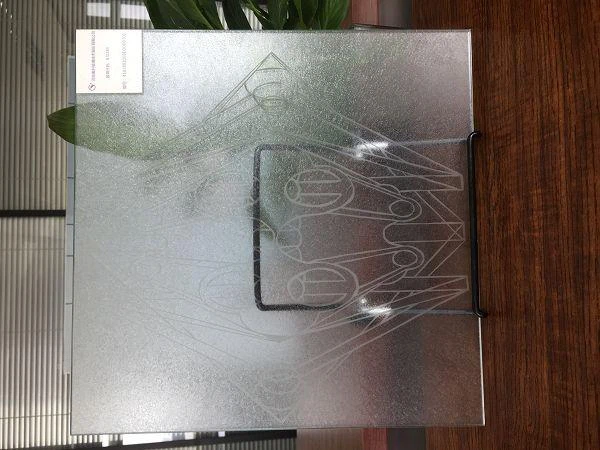

- Proper Masking: Use high - quality masking tape or stencils to cover the areas of the glass that you don't want to etch. Make sure the masking is secure and there are no gaps where the powder can seep through.
- Follow Instructions: Read and follow the instructions on the etching powder package carefully. Pay attention to the recommended application time, mixing ratios, and safety precautions.
- Work in a Controlled Environment: Set up your workspace in a well - ventilated area and cover the surrounding surfaces with protective sheets to prevent spillage.
Conclusion
Accidental etching on glass can be a setback, but with the right methods, it can be remedied. Whether you choose to tackle the issue yourself using abrasive compounds or acid - based removers, or opt for professional restoration services, it's important to approach the problem with care.
As a supplier of Etching Powder for Glass, we are committed to providing high - quality products and helping our customers achieve the best results. If you have any questions about glass etching or need advice on removing accidental etching, feel free to reach out to us. We are here to assist you in your glass etching projects and ensure a smooth and successful process.
If you're interested in purchasing our Etching Powder for Glass or have any other glass - related needs, we encourage you to contact us for procurement discussions. Our team of experts is ready to help you find the right products for your specific requirements.
References
- "Glass Etching Techniques and Applications" - A comprehensive guide on glass etching processes and methods.
- Manufacturer's instructions for glass polishing kits and acid - based removers.