Hey there! As a supplier of chemical frosting for glass, I've seen my fair share of situations where people want to remove that chemical frosting from glass. Whether it's a DIY project gone wrong, or you're just looking to change up the look of your glass items, removing chemical frosting can be a bit of a challenge. But don't worry, I'm here to share some tips and tricks on how to get the job done right.


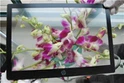
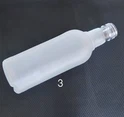
First off, let's talk about why you might want to remove chemical frosting from glass. Maybe you have an old Oil Sand Glass Liquor Bottle that you want to reuse for a different purpose, or perhaps you're not happy with the frosted look on your Oil-Sand Float Glass With Pattern. Whatever the reason, there are a few methods you can try to remove that frosting.
Method 1: Using Abrasive Materials
One of the most common ways to remove chemical frosting from glass is by using abrasive materials. This method works by physically wearing down the frosted layer on the glass. You can use things like sandpaper, steel wool, or even a pumice stone.
- Sandpaper: Start with a coarse-grit sandpaper (around 80 - 100 grit) and gently sand the frosted area in a circular motion. Make sure to keep the glass wet to prevent scratching. As you sand, you'll start to see the frosted layer wearing away. Once you've removed most of the frosting, switch to a finer-grit sandpaper (around 220 - 320 grit) to smooth out the surface.
- Steel Wool: Steel wool can also be used to remove frosting. Choose a medium-grade steel wool and gently rub it over the frosted area. Like with sandpaper, keep the glass wet to avoid scratches. This method is a bit more time-consuming than using sandpaper, but it can be effective for smaller areas.
- Pumice Stone: A pumice stone is a natural abrasive that can be used to remove frosting. Wet the pumice stone and the glass, then gently rub the stone over the frosted area. Be careful not to press too hard, as this can cause scratches. Pumice stones are great for removing light frosting, but may not be as effective for heavy frosting.
Method 2: Using Chemical Solutions
Another way to remove chemical frosting from glass is by using chemical solutions. There are a few different solutions you can try, but make sure to use them in a well-ventilated area and wear protective gloves.
- Hydrofluoric Acid: Hydrofluoric acid is a powerful chemical that can dissolve the frosted layer on glass. However, it's also very dangerous and should be used with extreme caution. If you decide to use hydrofluoric acid, make sure to follow all safety instructions carefully. Dilute the acid according to the manufacturer's instructions, then apply it to the frosted area using a brush or sponge. Let the acid sit for a few minutes, then rinse the glass thoroughly with water.
- Vinegar: Vinegar is a mild acid that can be used to remove light frosting from glass. Mix equal parts vinegar and water in a spray bottle, then spray the solution onto the frosted area. Let it sit for a few minutes, then wipe the glass with a clean cloth. You may need to repeat this process a few times to remove all the frosting.
- Baking Soda and Water: Baking soda is a natural abrasive that can be used to remove frosting. Mix baking soda and water to form a paste, then apply the paste to the frosted area using a sponge or cloth. Gently rub the paste in a circular motion, then rinse the glass with water. This method is gentle and safe to use, but may not be as effective for heavy frosting.
Method 3: Using a Glass Polishing Compound
If you've removed most of the frosting using abrasive materials or chemical solutions, you can use a glass polishing compound to finish the job. A glass polishing compound will help smooth out the surface of the glass and give it a clear, shiny appearance.
- Apply the Polishing Compound: Apply a small amount of glass polishing compound to a clean, soft cloth. Rub the cloth over the glass in a circular motion, applying gentle pressure. As you rub, the polishing compound will start to remove any remaining scratches and make the glass look clear and smooth.
- Buff the Glass: Once you've applied the polishing compound, use a clean, dry cloth to buff the glass. This will help remove any excess compound and give the glass a final shine.
Tips and Tricks
- Test in a Small Area: Before you start removing the frosting from the entire glass surface, test your chosen method in a small, inconspicuous area. This will help you make sure the method works and doesn't damage the glass.
- Be Patient: Removing chemical frosting from glass takes time and patience. Don't rush the process, as this can lead to scratches or uneven results.
- Clean the Glass: After you've removed the frosting, make sure to clean the glass thoroughly to remove any residue. You can use a glass cleaner and a microfiber cloth to clean the glass.
When to Call a Professional
If you're not comfortable removing the chemical frosting from glass yourself, or if the frosting is particularly heavy or difficult to remove, it may be a good idea to call a professional. A professional glass restoration service will have the tools and expertise to remove the frosting safely and effectively.
Conclusion
Removing chemical frosting from glass can be a bit of a challenge, but with the right methods and a little patience, you can get the job done. Whether you choose to use abrasive materials, chemical solutions, or a glass polishing compound, make sure to follow all safety instructions and test your chosen method in a small area first.
If you're in the market for high-quality chemical frosting materials for your glass projects, I'm here to help. I'm a supplier of Chemical Frosting Of Glass, and I offer a wide range of products to meet your needs. Whether you're looking for materials to frost Oil Sand Glass Liquor Bottles, Oil-Sand Float Glass With Pattern, or Vase Beautiful Glass Bottles, I've got you covered.
If you're interested in learning more about our products or have any questions, feel free to reach out. We're always happy to help with your glass frosting needs and look forward to discussing potential partnerships with you.
References
- "Glass Restoration: Techniques and Best Practices" - Glass Industry Magazine
- "Chemical Frosting of Glass: A Comprehensive Guide" - Glass Science Journal
- "Safe Handling of Chemicals in Glass Restoration" - Occupational Safety and Health Administration (OSHA)