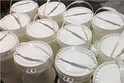
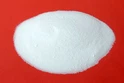
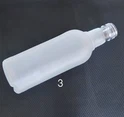
Using glass frosting chemicals can transform ordinary glass into a work of art, adding privacy, style, and elegance to various settings. Whether you're frosting glass doors for interior decoration, tea cups, or water bottles, our [specific product lines from the links] offer a range of unique effects. However, one common challenge users face is dealing with stubborn stains that may occur after the frosting process. In this blog post, I'll share some effective strategies to remove these stains, addressing each step with scientific backing and practical advice. As a glass frosting chemical supplier, I understand the nuances of these products and how to manage the aftermath.
Understanding the Nature of Glass Frosting Chemicals and Stains
Before delving into stain - removal techniques, it's crucial to understand what glass frosting chemicals do and why stains might form. Glass frosting chemicals typically contain substances like hydrofluoric acid or other strong acids and salts. These chemicals etch the surface of the glass, creating a rough, matte finish. Stains can form due to several reasons. Sometimes, residues of the chemicals themselves may remain on the glass surface. Other times, dust, dirt, or environmental contaminants can get trapped in the newly frosted texture, leading to visible discoloration.


Stain - Removal Approaches
Method 1: Gentle Cleaning with Mild Detergents
For light stains, a gentle cleaning using mild detergents is often the first step. Start by mixing a small amount of a mild dish - detergent in warm water. The warm water helps to break down the surface tension of the liquid, allowing it to penetrate the frosted texture more effectively. Dip a soft microfiber cloth into the soapy solution and gently wipe the stained area. Microfiber cloths are ideal as they can trap dirt and debris without scratching the frosted glass.
Rinse the cloth frequently in clean water to avoid spreading the dirt around. After cleaning, rinse the glass thoroughly with clean water to remove any remaining detergent. Pat dry with a clean, dry microfiber cloth. This method is suitable for stains that are primarily due to dust or light chemical residues.
Method 2: Vinegar Solution for Stubborn Residues
If mild detergents don't work, a vinegar solution can be a powerful alternative. Vinegar contains acetic acid, which can help dissolve certain types of chemical residues. Mix equal parts of white vinegar and water in a spray bottle. Spray the solution generously onto the stained area of the frosted glass.
Let it sit for about 10 - 15 minutes. The acetic acid in the vinegar will start to break down the stubborn residues. Then, using a soft - bristled brush, gently scrub the area in a circular motion. The brush can reach into the crevices of the frosted texture to dislodge the stains. Rinse the glass thoroughly with water to remove the vinegar solution. The acidic nature of vinegar can also help to restore the shine of the glass to some extent.
Method 3: Baking Soda Paste for Deep - Set Stains
For extremely stubborn stains, a baking soda paste is a great option. Baking soda, or sodium bicarbonate, is a mild abrasive that can gently scrub away tough stains without damaging the frosted glass. Mix baking soda with a small amount of water to form a thick paste. The consistency should be thick enough to stick to the glass but still spreadable.
Apply the paste to the stained area using a soft cloth or a sponge. Gently rub the paste onto the stain in a circular motion. The mild abrasiveness of baking soda will gradually break down the stain. Leave the paste on the glass for 15 - 20 minutes to allow it to work its magic. Rinse the glass thoroughly with water to remove all traces of the baking soda paste.
Precautions during Stain Removal
When dealing with glass frosting chemicals and stained glass, safety is of utmost importance. Wear protective gloves and goggles to prevent any contact with the chemicals or cleaning agents. Ensure proper ventilation in the area where you are cleaning. If you are using strong cleaning agents like vinegar or other acidic solutions, be careful not to over - scrub the glass as it can damage the frosted finish.
Specific Stain Removal for Different Glass Products
Tea Cups and Water Bottles
Stains on tea cups and water bottles frosted with our TEA CUP WATER BOTTLE SATIN EFECT FORSTING POWDER GLASS may be due to beverage residues. In addition to the general stain - removal methods, you can use a small, soft - bristle toothbrush for more detailed cleaning. The small bristles can reach into the curves and corners of the cups and bottles. After cleaning, it's important to dry them thoroughly to prevent water spots.
Glass Doors in Interior Decoration
For glass doors with a satin effect like our Satin Effect Glass Door Used On Interior Decoration, the stains may be a combination of fingerprints, dust, and light chemical residues. Regular cleaning with a mild detergent can keep the doors looking fresh. For larger areas, using a long - handled microfiber mop dipped in the cleaning solution can be more efficient. Avoid using abrasive materials that can scratch the frosted surface.
AG Glass with Frosting Powder
When dealing with AG GLASS GLASS FROSTING POWDER, the stains may require more careful treatment due to the specialized nature of the glass. The above - mentioned cleaning methods generally apply, but it's important to test any new cleaning solution on a small, inconspicuous area first to ensure it doesn't damage the frosting or the glass itself.
Professional Cleaning and Maintenance
If the stains are particularly stubborn or if you're unsure about handling the cleaning process yourself, consider hiring a professional glass cleaning service. They have the expertise and specialized equipment to clean frosted glass effectively without causing damage. Additionally, regular maintenance of frosted glass can prevent the buildup of stubborn stains. A simple routine of gentle cleaning with mild detergents every few weeks can go a long way in keeping the glass looking its best.
Conclusion
Removing stubborn stains after using glass frosting chemicals is not an insurmountable task. By understanding the nature of the stains, choosing the appropriate cleaning method, and taking necessary precautions, you can restore the beauty of your frosted glass products. Whether it's tea cups, water bottles, glass doors, or AG glass, our high - quality glass frosting chemicals offer unique effects, and with proper care, the frosted glass can maintain its elegance for a long time.
If you're interested in purchasing our glass frosting chemicals or have any questions about stain removal or product usage, feel free to reach out for a procurement discussion. We're here to provide you with the best solutions for your glass frosting needs.
References
- "The Chemistry of Glass Etching" - A scientific paper on the chemical processes involved in glass frosting.
- "Best Practices for Cleaning Frosted Glass" - An industry - specific guide on maintaining and cleaning frosted glass products.