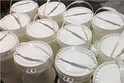
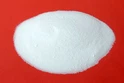
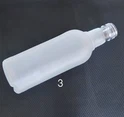
Glass etching has been an art form and a practical process for centuries, used to create beautiful designs on glassware, add branding to products, and even for functional applications in industries. As a supplier of Glass Etching Powder, I often get asked about the maximum temperature that glass etched with our powder can withstand. This question is crucial, especially for applications where glass may be exposed to high - heat environments, such as in the kitchen, laboratories, or industrial settings.
Understanding Glass Etching with Powder
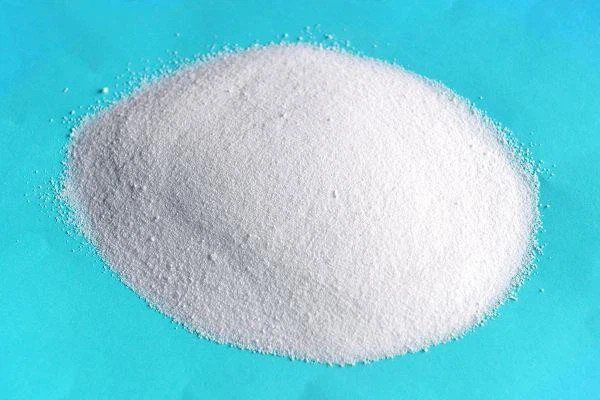
Before delving into the temperature resistance, it's important to understand how Glass Surface Chemical Etching works. When using our glass etching powder, the powder typically contains chemicals that react with the glass surface. The etching process removes a thin layer of the glass, creating a frosted or decorated appearance. This reaction usually involves substances like hydrofluoric acid derivatives which have the ability to break down the silica network that makes up the glass.
The etching process is not just about creating a visually appealing surface; it also slightly alters the physical properties of the glass. The removal of the outer layer can change the glass's surface tension, its ability to resist mechanical stress, and potentially its thermal resistance.

Factors Affecting Temperature Resistance of Etched Glass
1. Type of Glass
The base glass material plays a significant role in determining the maximum temperature it can withstand. There are different types of glass, such as soda - lime glass, borosilicate glass, and fused silica glass. Soda - lime glass is the most common type used in everyday items like windows and drinking glasses. It has a relatively low maximum temperature tolerance, usually around 300 - 500 degrees Celsius before it starts to soften.
On the other hand, borosilicate glass, which is often used in laboratory equipment and high - quality cookware, can withstand much higher temperatures, typically up to 500 - 800 degrees Celsius. Fused silica glass has an even higher heat tolerance, with a softening point well above 1000 degrees Celsius.
When our glass etching powder is applied to different types of glass, the inherent temperature resistance of the base glass will still be the primary factor, but the etching process can have a minor impact.
2. Depth of Etching
The depth of the etching also affects the glass's temperature resistance. A shallow etch may have little to no effect on the overall thermal properties of the glass. However, a deep etch can remove a relatively large amount of the outer layer, which can potentially expose the glass to more thermal stress. When the glass is heated, the internal and external layers expand at different rates. A deep etch can disrupt the uniformity of the glass structure, increasing the likelihood of thermal shock and cracking.
3. Post - Etching Treatment
How the etched glass is treated after the etching process can also influence its temperature resistance. For example, proper annealing, which involves slowly cooling the glass to relieve internal stresses, can improve the glass's ability to withstand high temperatures. If the glass is quickly cooled or not properly annealed after etching, it may be more prone to cracking under thermal stress.
Maximum Temperatures for Different Applications
1. Domestic Applications
In domestic settings, etched glass is commonly used for decorative purposes on drinking glasses, vases, and kitchenware. Most of these items are made of soda - lime glass. For lightly etched soda - lime glass used in everyday drinking glasses, the maximum safe temperature is typically around 300 degrees Celsius. This is because these glasses are not designed for extreme heat applications.
For etched glass cookware, which may be exposed to higher temperatures, if it is made of borosilicate glass and etched with our Glass Etching Powder, the maximum temperature it can withstand could be up to 500 degrees Celsius. However, it's important to note that sudden temperature changes should still be avoided.
2. Industrial and Laboratory Applications
In industrial and laboratory environments, glass is often subject to much higher temperatures. Etched borosilicate glass used in chemical reactors or laboratory beakers can withstand temperatures up to 800 degrees Celsius. Fused silica glass, which is used in high - temperature applications like semiconductor manufacturing, can withstand temperatures well above 1000 degrees Celsius even after being etched.
Testing and Quality Assurance
As a responsible supplier of Glass Etching Powder, we conduct rigorous testing on glass samples etched with our powder. We work closely with glass manufacturers and testing laboratories to ensure that our customers have accurate information about the temperature resistance of etched glass.
Our testing process includes subjecting etched glass samples to a series of controlled heating cycles. We monitor the glass for any signs of cracking, deformation, or changes in the etched pattern at different temperatures. This data is then used to provide our customers with guidelines on the maximum safe temperatures for different types of etched glass.
Implications for Customers
Understanding the maximum temperature that etched glass can withstand is crucial for our customers. For those in the food and beverage industry, it means ensuring that etched glassware can be safely used in dishwashers, ovens, or for serving hot beverages. In the industrial sector, it helps in the proper selection of etched glass components for high - temperature processes to prevent equipment failure and ensure safe operation.
If you are considering using our Glass Etching Powder for your project, it's important to share the intended application and the type of glass you will be using. Our team of experts can provide you with detailed advice on the expected temperature resistance of the etched glass.
Conclusion
In conclusion, the maximum temperature that glass etched with our powder can withstand depends on several factors, including the type of glass, the depth of etching, and post - etching treatment. While some etched glass can withstand relatively high temperatures, especially in industrial and laboratory settings, others, like those used in domestic applications, have lower temperature limits.
If you have any questions or need more information about the temperature resistance of etched glass or our Glass Etching Powder, please do not hesitate to contact us. We are here to assist you in making the right choices for your glass etching needs and ensuring the safety and performance of your etched glass products. Whether you are a small - scale glass artist or a large - scale industrial manufacturer, we are committed to providing you with high - quality products and expert advice.
References
- "Glass Science and Technology" by D. R. Uhlmann and N. J. Kreidl
- "Handbook of Glass Properties" edited by W. A. Weyl and E. R. Stookey
- Research papers on Etching Glass with Chemicals from leading glass research institutions.