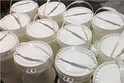
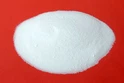
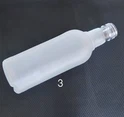
Hey there! I'm a supplier of Flat Glass Frosting Powder, and I often get asked about how to test the compatibility of our powder with a particular type of glass. In this blog, I'll share some practical and straightforward ways to do just that.
First off, why is testing compatibility so important? Well, not all glass is created equal. Different types of glass have different chemical compositions, thicknesses, and surface treatments. Using the wrong frosting powder on a particular glass can lead to uneven frosting, poor adhesion, or even damage to the glass. So, it's crucial to make sure the powder and the glass work well together before you start a big project.
Understanding the Glass
Before you even think about testing the frosting powder, you need to understand the glass you're working with. There are several common types of glass, such as soda - lime glass, borosilicate glass, and tempered glass. Each has its own unique properties.
Soda - lime glass is the most common type used in everyday items like windows and bottles. It's relatively inexpensive and easy to work with. Borosilicate glass, on the other hand, is more heat - resistant and is often used in laboratory equipment and high - end cookware. Tempered glass is stronger and more durable, but it can be tricky to frost because of its special treatment.
You can usually tell the type of glass by looking at the product label or asking the glass manufacturer. If that's not possible, there are some simple tests you can do. For example, you can try scratching the glass gently with a hard object. Soda - lime glass is softer and will scratch more easily than borosilicate or tempered glass.


Pre - Test Preparation
Once you've identified the glass, it's time to prepare for the compatibility test. You'll need a small sample of the glass, which should be clean and free of any dirt, grease, or fingerprints. You can clean the glass with a mild glass cleaner and a soft cloth.
You'll also need a small amount of the Flat Glass Frosting Powder. Make sure you follow the manufacturer's instructions for mixing the powder. Usually, you'll need to mix it with water or another liquid to form a paste.
The Compatibility Test
There are a few different ways to test the compatibility of the frosting powder with the glass. Here are some of the most common methods:
Spot Test
The spot test is the simplest and most straightforward method. Take a small amount of the mixed frosting powder and apply it to a small, inconspicuous area of the glass sample. You can use a brush or a sponge to apply the paste evenly.
Let the paste sit on the glass for the recommended amount of time, which is usually around 5 - 10 minutes. Then, rinse the glass thoroughly with water and dry it with a soft cloth.
Inspect the frosted area. Look for any signs of uneven frosting, such as streaks or patches. Also, check if the frosting has adhered well to the glass. You can try scratching the frosted area gently with your fingernail. If the frosting comes off easily, it may not be compatible with the glass.
Immersion Test
If you want a more comprehensive test, you can try the immersion test. Fill a small container with the mixed frosting powder solution. Make sure the solution is deep enough to fully submerge the glass sample.
Carefully place the glass sample into the solution and let it soak for the recommended time. After that, remove the glass from the solution and rinse it thoroughly with water. Dry the glass and inspect it as you did with the spot test.
The immersion test can give you a better idea of how the frosting powder will perform on the entire surface of the glass. However, it's important to note that this test may not be suitable for all types of glass, especially tempered glass, as it can cause stress and potentially break the glass.
Evaluating the Results
Once you've completed the test, it's time to evaluate the results. If the frosting looks even, has good adhesion, and the glass hasn't been damaged, then the frosting powder is likely compatible with the glass.
However, if you notice any problems, such as uneven frosting, poor adhesion, or damage to the glass, then you may need to try a different type of frosting powder or adjust the application process.
For example, if the frosting is too thick or uneven, you may need to dilute the frosting powder solution or apply it more evenly. If the frosting doesn't adhere well, you may need to clean the glass more thoroughly or use a different type of primer.
Real - World Applications
Now that you know how to test the compatibility of the Flat Glass Frosting Powder with a particular glass, let's take a look at some real - world applications.
One popular application is Oil Sand Effect Colored Glass Vases. These vases are often made of soda - lime glass and can be frosted to create a beautiful, textured effect. By testing the compatibility of the frosting powder with the glass, you can ensure that the vases look their best.
Another application is Cosmetic Glass Frosting Powder. Cosmetic bottles are usually made of high - quality glass, and it's important to use a frosting powder that is compatible with the glass to maintain the integrity of the product.
Finally, Oil Sand Glass Liquor Bottle is also a great example. Frosting the liquor bottle can add a touch of elegance and sophistication. By testing the compatibility, you can avoid any issues that could affect the appearance and quality of the bottle.
Contact for Procurement
If you're interested in purchasing our Flat Glass Frosting Powder or have any questions about testing compatibility, don't hesitate to reach out. We're here to help you find the best solution for your glass frosting needs. Whether you're a small - scale crafter or a large - scale manufacturer, we have the products and expertise to support you.
References
- Glass Science and Technology Handbook.
- Practical Guide to Glass Frosting Techniques.