Troubleshooting When Glass Frosting Powder Doesn't Work Properly
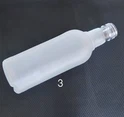
As a supplier of glass frosting powder, I understand the frustration that comes when the product doesn't achieve the desired results. Glass frosting powder is a versatile material used for various applications, from What Glass Used On Refrigerator to Satin Effect Surface Glass Cosmetic Bottle and Glass Water Bottle Cosmetic Container Plain Glass Frosting/ Etching Paste. In this blog post, I'll share some common issues and solutions to help you troubleshoot when the glass frosting powder doesn't work as expected.
1. Incomplete Frosting
One of the most common problems is incomplete frosting, where some areas of the glass remain clear or have a patchy appearance. This can be caused by several factors:
a. Improper Surface Preparation
- Cleaning: Glass surfaces must be thoroughly cleaned before applying the frosting powder. Any dirt, grease, or fingerprints can prevent the powder from adhering properly. Use a glass cleaner and a lint - free cloth to clean the glass. For stubborn stains, you may need to use a mild abrasive cleaner, but make sure to rinse the glass thoroughly afterward.
- Etching: If the glass has a smooth, polished surface, it may need to be lightly etched to provide a better surface for the frosting powder to adhere to. You can use a commercial glass etchant or a mixture of vinegar and salt for a more natural approach. Apply the etchant according to the manufacturer's instructions, rinse well, and dry the glass completely.
b. Incorrect Application
- Mixing: The frosting powder should be mixed with water or another recommended liquid according to the instructions. If the mixture is too thick or too thin, it can result in incomplete frosting. A thick mixture may not spread evenly, while a thin mixture may not have enough powder to create a consistent frost. Stir the mixture well to ensure a uniform consistency.
- Application Method: The method of applying the frosting powder can also affect the results. You can use a brush, sponge, or spray gun to apply the mixture. If using a brush, make sure to apply the mixture in a thin, even layer. Over - brushing can cause streaks or uneven coverage. When using a spray gun, adjust the nozzle to get a fine, even spray.
c. Insufficient Contact Time
- The frosting powder needs sufficient time to react with the glass surface. If you remove the powder too soon, the frosting process will be incomplete. Follow the recommended contact time provided by the manufacturer. This can range from a few minutes to several hours, depending on the type of frosting powder and the desired effect.
2. Uneven Frosting
Uneven frosting, where the glass has areas of different degrees of opacity, can be a frustrating issue. Here are some possible causes and solutions:
a. Temperature and Humidity
- Temperature: Extreme temperatures can affect the frosting process. If the temperature is too low, the reaction between the powder and the glass may be slow or incomplete. On the other hand, if the temperature is too high, the powder may dry too quickly, resulting in uneven frosting. The ideal temperature for applying frosting powder is usually between 60°F and 80°F (15°C - 27°C).
- Humidity: High humidity can also cause problems. Moisture in the air can prevent the powder from drying properly, leading to uneven results. Try to apply the frosting powder in a dry environment. If necessary, use a dehumidifier to reduce the humidity level.
b. Inconsistent Powder Distribution
- When mixing the frosting powder, make sure that the powder is evenly distributed throughout the liquid. If there are clumps of powder in the mixture, it can result in areas of heavier frosting. Use a sieve to break up any clumps before mixing the powder with the liquid.
- During application, spread the mixture evenly across the glass surface. If you apply more mixture in some areas than others, it will lead to uneven frosting. Use a flat - edged tool to smooth out the mixture and ensure uniform coverage.
3. Weak Frosting Effect
If the frosting effect is too weak, the glass may still be too transparent or the opacity may not be as intense as desired. This can be due to the following reasons:


a. Low - Quality Powder
- Not all frosting powders are created equal. Using a low - quality powder may result in a weak frosting effect. As a supplier, I recommend using high - quality frosting powder from a reputable manufacturer. Look for powders that are specifically formulated for your type of glass and application.
- Check the expiration date of the frosting powder. Over - time, the powder may lose its effectiveness, especially if it has been stored in improper conditions.
b. Dilution Ratio
- As mentioned earlier, the dilution ratio of the frosting powder is crucial. If you add too much liquid to the powder, the concentration of the active ingredients will be too low, resulting in a weak frosting effect. Follow the recommended dilution ratio provided by the manufacturer.
c. Multiple Coats
- In some cases, a single coat of frosting powder may not be enough to achieve the desired effect. You can apply multiple coats of the frosting powder, allowing each coat to dry completely before applying the next one. This can build up the opacity and create a more intense frosting effect.
4. Chemical Reactions
Sometimes, the frosting powder may react with the glass in unexpected ways, causing discoloration or other chemical changes.
a. Glass Composition
- Different types of glass have different chemical compositions, which can affect how they react with the frosting powder. For example, tempered glass may react differently from regular soda - lime glass. Before using the frosting powder on a new type of glass, it's a good idea to test it on a small, inconspicuous area first.
- Some glasses may contain additives or coatings that can interfere with the frosting process. If you suspect that the glass has a special coating, contact the glass manufacturer to determine if the frosting powder is compatible.
b. Chemical Compatibility
- The frosting powder may be incompatible with other chemicals that have been used on the glass. For example, if the glass has been treated with a waterproofing or anti - glare coating, the frosting powder may not work properly. Make sure to check the chemical compatibility of the frosting powder with any previous treatments on the glass.
5. Safety Precautions
When troubleshooting issues with glass frosting powder, it's important to follow safety precautions:
- Ventilation: The chemicals in the frosting powder can be harmful if inhaled. Always work in a well - ventilated area. If possible, use a fume hood or open windows and doors to allow fresh air to circulate.
- Protective Gear: Wear gloves, safety goggles, and a mask to protect your hands, eyes, and lungs from the powder and any fumes.
- Disposal: Dispose of the used frosting powder and any leftover mixture according to local regulations. Do not pour the mixture down the drain, as it can contain chemicals that are harmful to the environment.
Conclusion
Troubleshooting glass frosting powder issues requires careful attention to detail and an understanding of the factors that can affect the frosting process. By following the tips and solutions outlined in this blog post, you should be able to achieve the desired frosting effect on your glass.
If you're still having problems with your glass frosting powder or if you're interested in purchasing high - quality frosting powder for your projects, I encourage you to contact us. We're here to help you with any questions you may have and to provide you with the best products for your glass frosting needs.
References
- Manufacturer's instructions for glass frosting powder
- General knowledge of glass chemistry and surface treatment