As a supplier of Etching Powder For Glass, I often receive inquiries about the application of our products, especially regarding the use of etching powder on glass windows. This blog aims to provide a comprehensive answer to the question: Can I use etching powder for glass on glass windows?
Understanding Glass Etching Powder
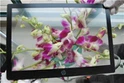
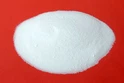
Before delving into the suitability of using etching powder on glass windows, it's essential to understand what glass etching powder is. Glass etching powder is a chemical compound that, when mixed with water or other solvents, creates a solution capable of etching or frosted glass surfaces. The etching process involves the chemical reaction between the powder and the glass, which removes a thin layer of the glass surface, resulting in a frosted or patterned appearance.
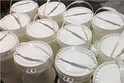
There are different types of glass etching powder available in the market, each with its own unique properties and applications. For instance, AG GALSS ETCING POWDER FOR ACID ETCHING GLASS PRODUCTION is specifically designed for acid etching glass production, offering a high level of precision and control. On the other hand, Glass Etching Powder (water-based) is a more environmentally friendly option, as it uses water as a solvent instead of harsh chemicals.
Suitability for Glass Windows
The answer to whether you can use etching powder for glass on glass windows is yes, but with some considerations. Glass windows are typically made of soda-lime glass, which is compatible with most glass etching powders. However, the success of the etching process depends on several factors, including the type of etching powder, the condition of the glass, and the application method.


Type of Etching Powder
As mentioned earlier, there are different types of etching powder available, each with its own set of properties. When choosing an etching powder for glass windows, it's important to select one that is suitable for the specific application. For example, if you want to create a fine, detailed pattern on the glass, you may need to use a high-quality etching powder that offers a high level of precision. On the other hand, if you're looking for a more general frosted effect, a less expensive etching powder may suffice.
Condition of the Glass
The condition of the glass is another important factor to consider when using etching powder. The glass surface should be clean, dry, and free of any dirt, grease, or other contaminants. Any impurities on the glass surface can interfere with the etching process and result in an uneven or patchy appearance. Before applying the etching powder, it's recommended to clean the glass thoroughly using a glass cleaner and a soft cloth.
Application Method
The application method also plays a crucial role in the success of the etching process. There are several ways to apply etching powder to glass windows, including brushing, spraying, and stenciling. The method you choose will depend on the size and complexity of the area you want to etch, as well as your personal preference.
- Brushing: This is the most common method of applying etching powder to glass windows. To brush the etching powder onto the glass, you'll need a soft-bristled brush. Dip the brush into the etching powder solution and apply it evenly to the glass surface. Make sure to cover the entire area you want to etch, and avoid applying too much pressure, as this can cause the etching powder to spread unevenly.
- Spraying: Spraying is a more efficient method of applying etching powder to large areas of glass. To spray the etching powder onto the glass, you'll need a spray gun or a spray bottle. Fill the spray gun or spray bottle with the etching powder solution and spray it evenly onto the glass surface. Make sure to hold the spray gun or spray bottle at a consistent distance from the glass to ensure an even application.
- Stenciling: Stenciling is a great way to create detailed patterns on glass windows. To stencil the etching powder onto the glass, you'll need a stencil and a stencil brush. Place the stencil on the glass surface and secure it in place. Dip the stencil brush into the etching powder solution and apply it to the areas of the stencil that you want to etch. Make sure to apply the etching powder evenly and avoid getting it on the areas of the glass that you don't want to etch.
Safety Precautions
When using etching powder for glass windows, it's important to take the necessary safety precautions to protect yourself and others. Etching powder is a chemical compound that can be harmful if inhaled, ingested, or comes into contact with your skin or eyes. Here are some safety tips to keep in mind:
- Wear protective gear: When handling etching powder, make sure to wear protective gloves, goggles, and a respirator to protect your skin, eyes, and lungs from the chemical fumes.
- Work in a well-ventilated area: Etching powder produces toxic fumes when mixed with water or other solvents. To avoid inhaling these fumes, make sure to work in a well-ventilated area, such as outdoors or in a room with a ventilation system.
- Follow the instructions: Always read and follow the instructions on the etching powder package carefully. Make sure to mix the etching powder with the correct amount of water or other solvents, and avoid using more than the recommended amount.
- Dispose of the waste properly: After using the etching powder, make sure to dispose of the waste properly. Do not pour the etching powder solution down the drain or into the environment, as this can cause pollution. Instead, follow the instructions on the etching powder package for proper disposal.
Benefits of Using Etching Powder on Glass Windows
Using etching powder on glass windows offers several benefits, including:
- Privacy: Etching powder can be used to create a frosted or patterned effect on glass windows, which can provide privacy without blocking out natural light. This is especially useful for bathrooms, bedrooms, and other areas where privacy is important.
- Decoration: Etching powder can be used to create beautiful and unique patterns on glass windows, adding a decorative touch to your home or office. You can choose from a variety of patterns and designs, or create your own custom design.
- Security: Etching powder can also be used to strengthen glass windows and make them more resistant to breakage. This can provide an additional layer of security for your home or office.
Conclusion
In conclusion, using etching powder for glass on glass windows is a viable option, but it requires careful consideration of several factors, including the type of etching powder, the condition of the glass, and the application method. By following the safety precautions and using the right etching powder and application method, you can achieve a beautiful and professional-looking etched glass window.
If you're interested in purchasing etching powder for glass windows or have any questions about our products, please feel free to contact us. We're a leading supplier of Chemical Etching Materials For Glass Decoration, and we're committed to providing our customers with high-quality products and excellent customer service.
References
- "Glass Etching: A Comprehensive Guide." Glass Etching Resources, [Date Accessed].
- "Safety Precautions for Using Chemicals in Glass Etching." Chemical Safety Council, [Date Accessed].
- "How to Etch Glass Windows." DIY Home Improvement Magazine, [Date Accessed].