In recent years, glass frosting materials have gained significant popularity in various industries, from interior design to the beverage packaging sector. As a trusted Glass Frosting Material supplier, I often encounter inquiries regarding the safety of these materials. This blog post aims to delve into the topic, providing you with a comprehensive understanding of the safety aspects associated with glass frosting materials.
Understanding Glass Frosting Materials
Glass frosting materials are substances used to create a frosted or matte finish on glass surfaces. There are different types of glass frosting materials available in the market, including glass frosting powders and sprays. These materials work by either chemically etching the glass surface or by applying a thin layer of opaque material to create the desired effect.
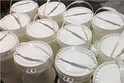
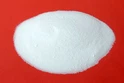
One of the most common types of glass frosting materials is the glass frosting powder. This powder is typically used for acid etching, which involves the use of chemicals to react with the glass surface and create a frosted appearance. For instance, our Glass Frosting Powder For Acid Etching is formulated to provide a consistent and high-quality frosted finish on various glass objects.
Safety Considerations in Production
The safety of glass frosting materials starts from the production process. As a responsible supplier, we adhere to strict quality control measures and safety standards during the manufacturing of our glass frosting materials. Our production facilities are equipped with advanced technology and machinery to ensure that the materials are produced in a safe and environmentally friendly manner.
We use high-quality raw materials that are carefully selected to meet the required safety specifications. These raw materials are tested for purity and quality before being used in the production process. Additionally, we follow strict guidelines to minimize the generation of hazardous waste and emissions during production.
Safety During Application
When it comes to applying glass frosting materials, safety is of utmost importance. The application process usually involves handling chemicals, so it is essential to take appropriate precautions.
First, it is crucial to wear personal protective equipment (PPE) such as gloves, goggles, and a respirator when handling glass frosting materials. This helps to prevent direct contact with the chemicals and inhalation of harmful fumes.
Second, the application should be carried out in a well-ventilated area. Adequate ventilation helps to disperse any fumes or vapors generated during the application process, reducing the risk of exposure to harmful substances.
Third, following the manufacturer's instructions is vital. Our products come with detailed instructions on how to use them safely and effectively. For example, when using our glass frosting powder, the instructions will specify the correct ratio of powder to acid, as well as the application time and method.
Safety of the Final Product
Once the glass frosting material has been applied, the safety of the final product is also a concern. In general, glass objects that have been frosted using our materials are safe for normal use.
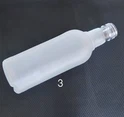
Our glass frosting materials are designed to create a durable and stable frosted finish. They do not leach harmful substances into the environment or the contents of the glass object. For example, our Wisky Bottle Wine Cup Tea Cup Matte Effect Deal With By Glass Frosting Powder is safe for use with beverages as it does not contaminate the liquid inside the cup or bottle.
However, it is important to note that the safety of the final product also depends on how it is used and maintained. For example, glass objects should be cleaned regularly using mild detergents and water. Avoid using abrasive cleaners or tools that may damage the frosted surface and expose the underlying glass to potential contamination.
Environmental Impact
In addition to human safety, the environmental impact of glass frosting materials is also a significant consideration. Our glass frosting materials are formulated to be as environmentally friendly as possible.
We strive to minimize the use of harmful chemicals in our products. For example, our glass frosting powders are designed to have a low environmental footprint. They are biodegradable and do not contribute to long - term pollution.
Furthermore, we encourage the proper disposal of any unused glass frosting materials and waste generated during the application process. By following the recommended disposal methods, we can help to reduce the environmental impact of these materials.
Case Studies
To further illustrate the safety of our glass frosting materials, let's look at some case studies.
A well - known interior design firm used our Satin Effect Flat Glass in a commercial project. The glass was used for partition walls in an office building. After several months of use, there were no reports of any safety issues. The employees in the office were satisfied with the aesthetic appeal of the frosted glass, and there were no concerns about the release of harmful substances.


Another case involves a beverage company that used our glass frosting powder to create a unique matte finish on their wine bottles. The wine bottles were filled with wine and distributed to various markets. Consumers reported no issues with the safety of the bottles, and the frosted finish added a touch of elegance to the product.
Conclusion
In conclusion, glass frosting materials can be safe to use when proper safety measures are taken during production, application, and use. As a Glass Frosting Material supplier, we are committed to providing high - quality and safe products. Our materials are produced in compliance with strict safety and environmental standards, and we provide detailed instructions on how to use them safely.
If you are considering using glass frosting materials for your project, whether it is for interior design, beverage packaging, or other applications, we encourage you to contact us for more information. We can provide you with samples, technical support, and answer any questions you may have about the safety and application of our glass frosting materials. Our team of experts is ready to assist you in making the right choice for your specific needs.
References
- Occupational Safety and Health Administration (OSHA) guidelines on chemical handling and safety.
- Environmental Protection Agency (EPA) regulations on the environmental impact of chemical products.
- Industry standards for glass frosting materials and their application.