Hey there! I'm a supplier in the business of chemical frosting of glass, and today I want to dive into a super interesting topic: What are the effects of chemical frosting on the glass's thermal properties?
First off, let's quickly go over what chemical frosting is. Chemical frosting is a process where we use special chemical solutions to etch the surface of the glass, giving it that frosted, opaque look. It's a popular technique used in various industries, from beverage packaging to interior design.
Now, onto the thermal properties of glass. Glass is a poor conductor of heat, which means it doesn't transfer heat very well. This property makes it a great material for windows and other applications where we want to control the flow of heat. But when we chemically frost the glass, how does that affect its thermal behavior?
Impact on Thermal Conductivity
One of the key thermal properties of glass is its thermal conductivity, which measures how easily heat can pass through the material. When we apply chemical frosting to glass, it creates a rough, uneven surface on the glass. This rough surface can actually increase the effective path length that heat has to travel through the glass.
Think of it like trying to walk through a maze. If you have a smooth, straight path, you can get from one end to the other quickly. But if the path is full of twists and turns, it takes you longer to reach your destination. Similarly, the rough surface of chemically frosted glass makes it harder for heat to travel through, effectively reducing the glass's thermal conductivity.
This reduction in thermal conductivity can have some really practical benefits. For example, in buildings, windows made from chemically frosted glass can help to reduce heat transfer between the inside and outside of the building. This means that in the summer, less heat will enter the building, and in the winter, less heat will escape. As a result, buildings can save on energy costs by relying less on heating and cooling systems.
Influence on Thermal Radiation
Another important aspect of a glass's thermal properties is its ability to absorb and emit thermal radiation. Thermal radiation is the transfer of heat in the form of electromagnetic waves. Glass can absorb and emit thermal radiation, and this process plays a significant role in how it behaves thermally.
When we chemically frost glass, the rough surface can change the way the glass interacts with thermal radiation. The rough surface increases the surface area of the glass that is exposed to thermal radiation. This means that the frosted glass can absorb more thermal radiation compared to smooth glass.
On the other hand, the rough surface also affects how the glass emits thermal radiation. The uneven surface can scatter the emitted radiation, making it less directional. This can be beneficial in some applications, such as in lighting fixtures. Frosted glass can help to diffuse the light and the associated thermal radiation, creating a more even and comfortable lighting environment.
Applications in Different Industries
Let's take a look at how these effects of chemical frosting on thermal properties are utilized in different industries.
Beverage Packaging
In the beverage industry, chemical frosting is commonly used to decorate glass bottles and jars. For example, Coating Material For Glass Bottles And Jars can be used to create a frosted look on the bottles. The reduced thermal conductivity of frosted glass can help to keep the beverages inside the bottles at a more stable temperature. This is especially important for products like wine and beer, which can be sensitive to temperature changes.
Moreover, the ability of frosted glass to diffuse thermal radiation can also be an advantage. When the bottles are exposed to light, the frosted glass can help to prevent the beverages from being overheated by the light's thermal radiation. This can help to preserve the quality and taste of the beverages.
Interior Design
In interior design, chemically frosted glass is often used for partitions, doors, and windows. The reduced thermal conductivity of frosted glass can contribute to better energy efficiency in buildings. For example, in office spaces, frosted glass partitions can help to create a more comfortable working environment by reducing heat transfer between different areas of the office.
Additionally, the diffusion of thermal radiation by frosted glass can enhance the aesthetic appeal of the interior spaces. Frosted glass can create a soft, diffused light effect, which can make the spaces feel more inviting and comfortable. For instance, Glass Wine Bottle Decoration With Satin Effect can be used to add a touch of elegance to a wine cellar or a bar area.
Laboratory Equipment
In laboratories, glassware is often used to handle and store various chemicals and samples. Chemical frosting can be applied to glassware to improve its thermal properties. The reduced thermal conductivity of frosted glass can help to maintain a stable temperature inside the glassware, which is crucial for many chemical reactions and experiments.
For example, Quartz Glass Frosting Powder can be used to frost quartz glassware. Quartz glass is known for its high purity and resistance to thermal shock. By applying chemical frosting to quartz glassware, we can further enhance its thermal stability, making it more suitable for use in high-temperature experiments.
Considerations and Limitations
While chemical frosting can have many positive effects on the glass's thermal properties, there are also some considerations and limitations to keep in mind.
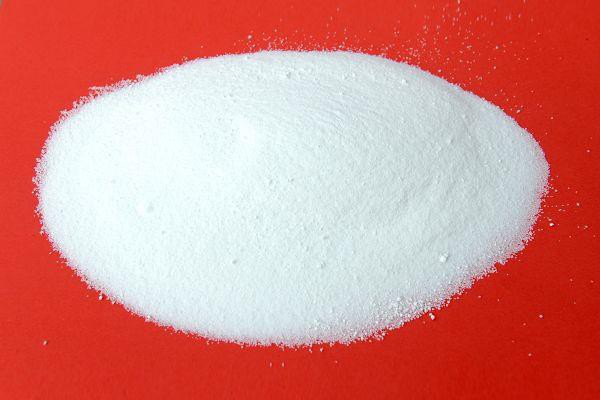

One of the main limitations is that the degree of change in thermal properties can vary depending on the type of chemical frosting process and the specific chemicals used. Different chemical formulations can result in different surface roughness and porosity, which can in turn affect the glass's thermal behavior.
Another consideration is that the rough surface of chemically frosted glass can be more difficult to clean compared to smooth glass. This can be a concern in applications where cleanliness is important, such as in food and beverage packaging or in medical laboratories.
Conclusion
In conclusion, chemical frosting can have significant effects on the glass's thermal properties. It can reduce the glass's thermal conductivity, making it a better insulator, and it can also affect the way the glass interacts with thermal radiation. These effects have a wide range of applications in various industries, from beverage packaging to interior design and laboratory equipment.
If you're interested in exploring the benefits of chemical frosting for your glass products, I'd love to have a chat with you. Whether you're looking to improve the energy efficiency of your buildings, enhance the quality of your beverages, or create a more aesthetically pleasing interior space, our chemical frosting solutions can help. Don't hesitate to reach out and start a conversation about your specific needs.
References
- Incropera, F. P., & DeWitt, D. P. (2002). Fundamentals of Heat and Mass Transfer. John Wiley & Sons.
- Holman, J. P. (2002). Heat Transfer. McGraw-Hill.
- Glass Association of North America. (n.d.). Glass Properties. Retrieved from https://www.glasswebsite.com/