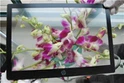
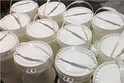
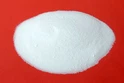
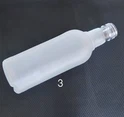
Hey there, DIY enthusiasts! I'm a supplier of Water Glass Frosting Powder, and today I'm here to chat with you about whether this stuff is a good fit for your DIY glass projects.


First off, let's talk about what water glass frosting powder actually is. It's a chemical compound that, when mixed with water and applied to glass, creates a frosted effect. This frosted look can add a touch of elegance, privacy, or a unique aesthetic to all sorts of glass items.
Advantages of Using Water Glass Frosting Powder for DIY
1. Ease of Use
One of the biggest perks of water glass frosting powder is how easy it is to work with. You don't need to be a professional glass artist to achieve great results. All you have to do is mix the powder with water according to the instructions on the package. Usually, it's a simple ratio, and you can adjust it a bit depending on how thick or thin you want the frosting to be.
Once it's mixed, you can apply it to the glass surface using a brush, sponge, or even a spray bottle. The application process is straightforward, and even if you're a beginner, you can get a decent frosted finish on your first try.
2. Cost - Effective
Compared to other methods of frosting glass, like using a professional glass - frosting service or buying pre - frosted glass, water glass frosting powder is incredibly cost - effective. You can buy a large quantity of the powder at a relatively low price, and it can cover a significant amount of glass surface area.
This makes it perfect for DIY projects where you might be working on multiple glass pieces, such as a set of glass bottles for a party or a series of glass lamp shades for your home.
3. Customizability
With water glass frosting powder, you have a lot of control over the final look. You can create different levels of opacity, from a very light, almost transparent frost to a thick, opaque finish. You can also create patterns by using stencils. Just place the stencil on the glass, apply the frosting powder mixture, and then remove the stencil to reveal your design.
This customizability allows you to add a personal touch to your DIY glass projects, making them truly one - of - a kind.
4. Versatility
The applications of water glass frosting powder are almost endless. You can use it on all kinds of glass items. For example, Bottles Glass Frosting Powder is great for turning ordinary glass bottles into decorative pieces. You can use them as vases, candle holders, or even as part of a DIY centerpiece.
If you're into home decor, Glass Frosting Powder For Glass Lamp Shades, Light Fixtures, Home Ware, Vases, Containers Bottles And Art Glass. can transform the look of your lamps, giving them a soft, diffused light. And for flat glass surfaces, like windows or mirrors, Flat Glass Frosting Powder can add privacy or a decorative element.
Potential Drawbacks
1. Safety Concerns
Water glass frosting powder is a chemical product, and it does come with some safety risks. The powder itself can be irritating to the skin, eyes, and respiratory system if inhaled. When mixing the powder with water, you need to wear protective gloves, goggles, and a mask to avoid any contact or inhalation.
Also, the mixture should be used in a well - ventilated area to prevent the buildup of fumes. If you're not careful, you could end up with skin rashes, eye irritation, or breathing problems. So, while it's easy to use, you need to take proper safety precautions.
2. Durability
The durability of the frosting created by water glass frosting powder can vary. In some cases, the frosting might start to wear off over time, especially if the glass is exposed to a lot of abrasion or cleaning. For example, if you're using it on a glass bottle that will be washed frequently, the frosting might fade or become patchy.
However, if the glass is used in a less - abrasive environment, like a display case or a wall - mounted mirror, the frosting can last for a long time.
3. Learning Curve for Perfect Results
While it's easy to get a basic frosted finish, getting a truly professional - looking result takes some practice. Achieving an even, smooth finish can be a bit tricky, especially on curved or irregularly shaped glass surfaces. You might need to experiment with different application techniques and mixtures to get the exact look you want.
Tips for Successful DIY Projects
1. Prepare the Glass Surface
Before applying the frosting powder mixture, make sure the glass is clean and dry. Any dirt, grease, or fingerprints on the glass can affect the adhesion of the frosting and result in an uneven finish. You can clean the glass with a glass cleaner and a lint - free cloth.
2. Test on a Small Area
Always test the frosting powder mixture on a small, inconspicuous area of the glass first. This allows you to see how the frosting will look and how it adheres to the glass. You can also make any necessary adjustments to the mixture or application technique before working on the entire piece.
3. Follow the Instructions
The instructions on the package of the water glass frosting powder are there for a reason. Make sure you follow them carefully, especially when it comes to mixing ratios and drying times. Deviating from the instructions can lead to a less - than - perfect result.
Conclusion
So, is water glass frosting powder suitable for DIY glass projects? In most cases, the answer is yes. It offers a lot of benefits in terms of ease of use, cost - effectiveness, customizability, and versatility. However, you need to be aware of the safety concerns and the potential durability issues.
If you're willing to take the necessary safety precautions and put in a bit of practice to get the perfect finish, water glass frosting powder can be a great choice for your DIY glass projects. Whether you're a seasoned DIYer or just starting out, it's definitely worth giving it a try.
If you're interested in purchasing water glass frosting powder for your next DIY project, feel free to reach out to us. We're always happy to help you with any questions you might have and assist you in finding the right product for your needs.
References
- General knowledge about glass - frosting materials and DIY techniques.
- Experience from working with water glass frosting powder in various DIY projects.