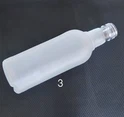
Hey there! As a supplier in the field of chemical etching of glass, I'm super excited to dive into the many cool applications of this process. Chemical etching of glass has been around for a while, but its uses keep expanding as technology advances. So, let's get right into it!
Decorative Applications
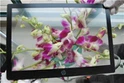
One of the most common and well - known uses of chemical etching of glass is for decoration. You've probably seen those fancy etched glass windows in high - end buildings or beautiful etched glass vases on display in home decor stores. Chemical etching allows artists and designers to create intricate patterns, designs, and even text on glass surfaces.
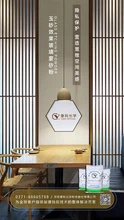
For instance, in interior design, etched glass partitions are a great way to add a touch of elegance and privacy to a space. They can be customized with geometric patterns, floral motifs, or even corporate logos. The process involves using a resist material to protect certain areas of the glass while exposing the rest to an etching solution. This way, only the unprotected parts get etched, creating a beautiful contrast between the smooth and textured areas.
When it comes to glassware, like wine glasses or champagne flutes, chemical etching can add a personalized touch. You can have names, dates, or special messages etched onto the glass, making it a unique gift for weddings, anniversaries, or other special occasions. You can learn more about the materials used in this process by checking out Etching Glass by Acid Chemical.
Architectural Applications
In the architectural world, chemical etching of glass has a wide range of applications. It can be used to enhance the aesthetic appeal of buildings while also providing functional benefits.
For exterior facades, etched glass can be used to reduce glare and solar heat gain. By creating a textured surface on the glass, it scatters the sunlight, reducing the amount of direct sunlight that enters the building. This not only makes the interior more comfortable but also helps to save on energy costs.
In addition, etched glass can be used for signage on buildings. Whether it's a large corporate logo on the front of an office building or directional signs in a shopping mall, chemical etching provides a durable and professional - looking solution. The etched glass signs are weather - resistant and can withstand the elements, making them a long - lasting option.
Another interesting architectural application is the use of etched glass in skylights. The etched surface diffuses the light, creating a soft and even illumination inside the building. This is especially useful in areas where harsh sunlight can cause problems, such as in art galleries or museums.
Electronic Applications
The electronics industry also benefits greatly from chemical etching of glass. Glass is often used as a substrate in electronic devices, and chemical etching can be used to create precise patterns and structures on the glass surface.
In the manufacturing of printed circuit boards (PCBs), glass substrates are sometimes used instead of traditional materials like fiberglass. Chemical etching can be used to create the conductive traces on the glass substrate. This process allows for higher precision and finer features compared to other manufacturing methods.
Another electronic application is in the production of display panels. Etched glass can be used to create anti - glare and anti - reflection coatings on display screens. By etching a micro - structured pattern on the glass surface, it can reduce the reflection of light, improving the visibility of the display, especially in bright environments.
If you're interested in the solutions used for chemical glass etching in the electronics industry, Chemical Glass Etching Solution provides more detailed information.
Medical and Laboratory Applications
In the medical and laboratory fields, chemical etching of glass has several important applications. Glass is a common material used in medical devices and laboratory equipment due to its inertness and transparency.
One application is in the manufacturing of microfluidic devices. These are small devices that can manipulate and analyze small volumes of fluids. Chemical etching can be used to create channels and chambers on a glass substrate, allowing for the precise control of fluid flow. This is crucial in applications such as DNA sequencing, drug discovery, and point - of - care diagnostics.
Glass slides used in microscopy are also often etched to create grids or markings. These markings help researchers to accurately measure and locate specimens on the slide. The etching process can be very precise, ensuring that the markings are clear and accurate.
Automotive Applications
The automotive industry also makes use of chemical etching of glass. One of the main applications is in the production of automotive mirrors. Etched glass can be used to create anti - glare mirrors. By etching a pattern on the back surface of the mirror, it scatters the light, reducing the glare from headlights of vehicles behind.
In addition, etched glass can be used for decorative elements in cars. For example, some high - end cars have etched glass panels in the interior, adding a touch of luxury and style.
Optical Applications
In the field of optics, chemical etching of glass plays a crucial role. It can be used to create lenses with special optical properties. For example, by etching a pattern on the surface of a glass lens, it can change the way light is refracted, creating a lens with a specific focal length or aberration correction.
Etched glass can also be used in the production of diffraction gratings. These are optical components that can separate light into its component wavelengths. Chemical etching allows for the creation of very precise and fine - pitched gratings, which are essential in applications such as spectroscopy and telecommunications.
Industrial Applications
In industrial settings, chemical etching of glass is used for various purposes. For example, in the manufacturing of sensors, glass substrates can be etched to create specific patterns and structures. These patterns can be used to detect changes in temperature, pressure, or other physical properties.
Glass containers used in the chemical industry can also be etched to provide important information, such as volume markings or chemical resistance ratings. The etched markings are durable and can withstand the harsh chemicals and conditions in industrial environments.
Conclusion
As you can see, the applications of chemical etching of glass are vast and diverse. From decorative items to high - tech electronic devices, this process has a wide range of uses in different industries. Whether you're an artist looking to create unique glass art, an architect designing a new building, or an engineer developing a new electronic device, chemical etching of glass can provide a solution.


If you're interested in learning more about chemical etching of glass or are looking to source high - quality etching materials and services, feel free to reach out. We're here to help you with all your glass etching needs. You can find more in - depth information on Chemical Etching of Glass.
Let's start a conversation and see how we can work together to bring your glass etching projects to life!
References
- Various industry publications on glass manufacturing and surface treatment
- Research papers on microfluidics and electronic device fabrication
- Architectural design magazines and websites