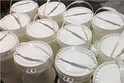
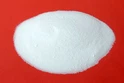
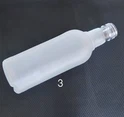
Hey there! As a supplier of chemical frosting of glass, I've been getting a lot of questions lately about the best times to perform this process. So, I thought I'd sit down and share my thoughts on this topic.
First off, let's talk about what chemical frosting of glass actually is. It's a process where we use chemicals to etch the surface of the glass, creating a frosted appearance. This can be used for a variety of purposes, from adding privacy to windows to creating a decorative effect on glassware.
Now, onto the main question: what are the best times to perform chemical frosting of glass? Well, there are a few factors to consider.
1. Temperature and Humidity
The temperature and humidity of the environment play a crucial role in the chemical frosting process. Generally, a temperature range of 20 - 25 degrees Celsius (68 - 77 degrees Fahrenheit) is ideal. At this temperature, the chemicals work at an optimal rate, ensuring a consistent and high - quality frosted finish.
If it's too cold, the chemical reaction slows down. This can lead to an uneven frosting effect, where some parts of the glass may be less frosted than others. On the other hand, if it's too hot, the chemicals may evaporate too quickly, also resulting in an inconsistent finish.
Humidity is also important. A relative humidity of around 40 - 60% is recommended. High humidity can cause the chemicals to react differently, potentially leaving streaks or spots on the glass. Low humidity, on the other hand, can cause the chemicals to dry out too fast.
2. Glass Preparation
Before performing chemical frosting, the glass needs to be properly prepared. This includes cleaning the glass thoroughly to remove any dirt, grease, or fingerprints. The best time to do this is right before the frosting process.


If you clean the glass too far in advance, it can accumulate dust or other contaminants again. So, I usually recommend cleaning the glass within an hour or two of starting the frosting process. This ensures that the glass surface is clean and ready for the chemicals to work effectively.
3. Production Schedule
If you're running a production line for glass products, the best time to perform chemical frosting depends on your overall production schedule. For example, if you're making glassware like Oil Sand Effect Glass Cup, it's often best to perform the frosting after the glass has been shaped and any other heat - related processes (like annealing) are completed.
This is because heat - related processes can affect the glass surface and potentially damage the frosted finish if done after frosting. So, plan your production schedule in a way that allows for the frosting process to be done at the right stage.
4. Seasonal Considerations
Seasonally, spring and autumn are often the best times for chemical frosting of glass. The temperatures are usually in the ideal range, and the humidity levels are more stable compared to summer and winter.
In summer, the high temperatures and humidity can make it challenging to control the frosting process. In winter, the cold temperatures can slow down the chemical reaction. However, if you have a well - controlled indoor environment, you can perform the frosting process year - round.
5. Customer Demand
Another important factor is customer demand. If you have a large order of frosted glass products due at a certain time, you need to plan your frosting process accordingly. For example, if you're making Satin Effect Patterned Glass for a new building project that has a tight deadline, you'll need to schedule the frosting process to meet that deadline.
It's also important to consider any special requirements from the customer. Some customers may want a specific look or finish, which may require additional time or adjustments to the frosting process.
6. Glass Type
Different types of glass may have different optimal times for chemical frosting. For example, the glass used on the refrigerator surface, as discussed in What Kind Of Glass Used On The Refrigerator Surface, may need a slightly different approach compared to regular window glass.
Some types of glass may be more sensitive to the chemicals, and the frosting process may need to be adjusted in terms of time, temperature, and the type of chemicals used. So, it's important to know the specific properties of the glass you're working with.
Conclusion
In conclusion, there isn't a one - size - fits - all answer to the question of the best times to perform chemical frosting of glass. It depends on a variety of factors, including temperature, humidity, glass preparation, production schedule, seasonal considerations, customer demand, and glass type.
As a supplier, I always recommend working closely with your team to plan the frosting process carefully. By taking all these factors into account, you can ensure a high - quality frosted finish on your glass products.
If you're interested in purchasing our chemical frosting services or products, I'd love to have a chat with you. Whether you're a small business looking for a few custom - frosted glass pieces or a large manufacturer in need of a consistent supply, we're here to help. Just reach out, and let's start a conversation about how we can meet your glass frosting needs.
References
- Glass Manufacturing Handbook: Covers general information about glass properties and manufacturing processes.
- Chemical Engineering for Glass Production: Provides in - depth knowledge about chemical reactions involved in glass frosting.