Can glass etching cream be used on mirrors? This is a question that many DIY enthusiasts, artists, and even professional decorators often ponder. As a supplier of high - quality glass etching cream, I'm here to provide you with a comprehensive answer to this query, delving into the science, practical applications, and best practices.
Understanding Glass Etching Cream
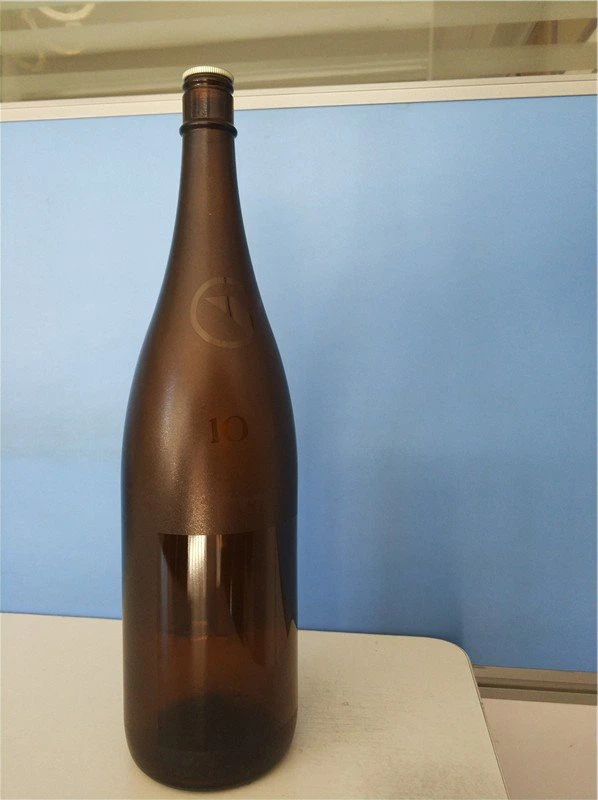
Before we determine whether glass etching cream can be used on mirrors, it's essential to understand what glass etching cream is. Glass etching cream is a chemical product designed to create a frosted or textured effect on glass surfaces. The main Glass Etching Cream Chemicals in these creams typically include hydrofluoric acid or its salts, which are highly corrosive substances that react with the silica in glass. When applied to a glass surface, the cream dissolves the top layer of the glass, leaving behind a rough, opaque finish.
Mirrors: A Special Type of Glass
Mirrors are made by depositing a thin layer of metal, usually silver or aluminum, on the back of a glass substrate. The front surface is the clear glass, while the metal coating on the back is what gives the mirror its reflective properties. This unique construction means that when considering using glass etching cream on mirrors, we need to be cautious about protecting the metal coating.
Can You Use Glass Etching Cream on Mirrors?
The short answer is yes, you can use glass etching cream on mirrors. However, there are several important considerations to keep in mind.
Protecting the Metal Coating
The metal coating on the back of the mirror is vulnerable to the corrosive chemicals in the etching cream. If the cream seeps around the edges of the mirror and comes into contact with the metal, it can cause damage, such as discoloration or pitting. To prevent this, you should take steps to seal the edges of the mirror. You can use masking tape or a silicone sealant to create a barrier that will prevent the cream from reaching the metal coating.
Surface Preparation
Just like when etching regular glass, proper surface preparation is crucial. The front surface of the mirror should be clean and free of any dirt, grease, or fingerprints. You can clean the mirror with a glass cleaner and a lint - free cloth. After cleaning, dry the surface thoroughly to ensure that the etching cream adheres properly.
Applying the Etching Cream
When applying the Glass Etching Acid Cream, use a brush or a spatula to spread it evenly over the area you want to etch. Make sure to wear appropriate protective gear, such as gloves and goggles, as the chemicals in the cream can be harmful to your skin and eyes. Apply the cream in a thick, even layer, and avoid leaving any gaps or thin spots.
Etching Time
The etching time will depend on the specific product you are using and the desired effect. Most glass etching creams require a waiting time of 5 - 10 minutes, but it's important to follow the manufacturer's instructions carefully. After the recommended time has passed, rinse the mirror thoroughly with water to remove the cream.
Advantages of Using Glass Etching Cream on Mirrors
Using glass etching cream on mirrors can offer several advantages.
Decorative Purposes
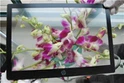
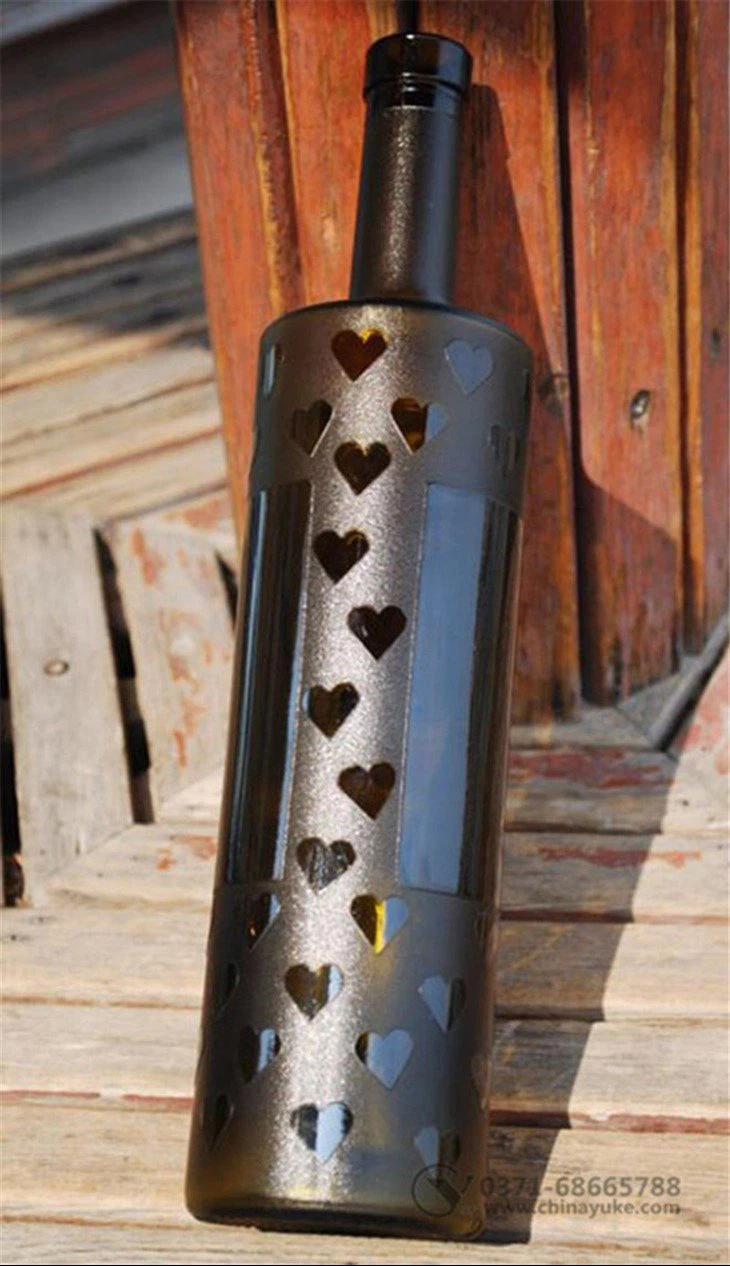
Etching can add a unique and personalized touch to mirrors. You can create patterns, designs, or even text on the mirror surface, making it a focal point in any room. For example, you could etch a floral pattern on a bathroom mirror or a company logo on a commercial mirror.
Privacy
In some cases, you may want to reduce the transparency of a mirror for privacy reasons. Etching the mirror can create a frosted effect that still allows light to pass through but obscures the view. This is particularly useful in bathrooms or dressing rooms.
Challenges and Precautions
While using glass etching cream on mirrors can be rewarding, there are also some challenges and precautions to be aware of.
Chemical Safety
As mentioned earlier, glass etching cream contains highly corrosive chemicals. It's important to handle these products with extreme care. Always work in a well - ventilated area to avoid inhaling the fumes, and follow all safety instructions provided by the manufacturer.
Uneven Etching
Achieving an even etching effect can be challenging, especially on larger mirror surfaces. To ensure a consistent finish, you may need to practice on a small test area first and use proper application techniques.
Best Practices for Glass Etching on Mirrors
To get the best results when using glass etching cream on mirrors, here are some best practices to follow:
Plan Your Design
Before applying the cream, plan your design carefully. You can use stencils or templates to create precise patterns. Make sure to measure and mark the area you want to etch accurately.
Test on a Small Area
Always test the etching cream on a small, inconspicuous area of the mirror first. This will allow you to see how the cream reacts with the mirror surface and make any necessary adjustments to the application time or technique.
Remove the Cream Thoroughly
After the etching process is complete, make sure to remove all traces of the cream from the mirror. Any remaining cream can continue to etch the glass over time, leading to an uneven or damaged surface.
Applications of Etched Mirrors
Etched mirrors have a wide range of applications in both residential and commercial settings.
Residential Use
In homes, etched mirrors can be used in bathrooms, bedrooms, or entryways. They can add a touch of elegance and style to any space. For example, an etched mirror in a bathroom can create a spa - like atmosphere, while an etched mirror in a bedroom can serve as a decorative element.
Commercial Use
In commercial settings, etched mirrors are often used in hotels, restaurants, and retail stores. They can be used for branding purposes, such as displaying a company logo or name, or for creating a unique and inviting atmosphere.
Conclusion
In conclusion, glass etching cream can be used on mirrors, but it requires careful preparation and execution. By following the proper safety precautions, surface preparation steps, and application techniques, you can achieve beautiful and professional - looking results. Whether you're looking to add a decorative touch to your home or create a unique branding element for your business, etched mirrors can be a great option.
If you're interested in purchasing high - quality glass etching cream for your mirror etching projects, we invite you to contact us for more information. Our team of experts is ready to assist you in finding the right product for your needs and providing you with any technical support you may require.
References
- "Glass Etching Techniques and Applications" - A comprehensive guidebook on glass etching processes.
- Manufacturer's instructions for various glass etching cream products.