Glass etching is an ancient and sophisticated art form that has been practiced for centuries, transforming ordinary glass into exquisite pieces of art. As a supplier of Glass Etching Powder, I've witnessed firsthand the magic that happens when this powder interacts with glass. In this blog, we'll delve into the chemical reactions involved in glass etching with powder, exploring the science behind this fascinating process.
Understanding the Basics of Glass
Before we jump into the chemical reactions, it's essential to understand what glass is made of. Most common glass, such as soda - lime glass, is primarily composed of silica (SiO₂), along with small amounts of sodium oxide (Na₂O), calcium oxide (CaO), and other additives. Silica is the main structural component of glass, forming a three - dimensional network of silicon - oxygen bonds.
The Role of Glass Etching Powder
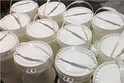
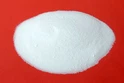
Glass etching powder typically contains chemicals that can react with the glass surface to create a frosted or etched effect. One of the most common ingredients in glass etching powder is hydrofluoric acid (HF) or compounds that can generate hydrofluoric acid when mixed with water. For example, ammonium bifluoride (NH₄HF₂) is often used as it dissociates in water to produce hydrofluoric acid and ammonium fluoride (NH₄F).
The reaction of ammonium bifluoride with water can be represented as follows:
NH₄HF₂(s) + H₂O(l) → NH₄⁺(aq) + F⁻(aq) + HF(aq)
Chemical Reactions with Glass
Once hydrofluoric acid is generated, it starts to react with the silica in the glass. The main reaction between hydrofluoric acid and silica is:
SiO₂(s) + 4HF(aq) → SiF₄(g) + 2H₂O(l)
Silicon tetrafluoride (SiF₄) is a gas, which escapes from the reaction site. This reaction breaks the silicon - oxygen bonds in the glass structure, gradually removing the surface layer of the glass. As a result, the smooth surface of the glass is disrupted, creating a rough, frosted appearance.
In addition to the reaction with silica, hydrofluoric acid can also react with other components in the glass, such as sodium oxide and calcium oxide. For example, the reaction with sodium oxide is:
Na₂O(s) + 2HF(aq) → 2NaF(aq) + H₂O(l)
And the reaction with calcium oxide is:
CaO(s) + 2HF(aq) → CaF₂(s) + H₂O(l)
Calcium fluoride (CaF₂) is a white precipitate that may form on the glass surface during the etching process. These reactions help to further modify the glass surface and contribute to the overall etching effect.
Factors Affecting the Chemical Reactions
Several factors can influence the chemical reactions involved in glass etching with powder.
Concentration of the Etching Solution
The concentration of hydrofluoric acid in the etching solution plays a crucial role. A higher concentration of hydrofluoric acid will generally lead to a faster etching rate. However, too high a concentration can cause over - etching, resulting in a rough and uneven surface. On the other hand, a very low concentration may result in a slow etching process or an insufficient etching effect.


Temperature
Temperature also affects the reaction rate. Higher temperatures generally increase the kinetic energy of the reactant molecules, leading to more frequent and energetic collisions. As a result, the etching reaction occurs more rapidly at higher temperatures. However, extremely high temperatures can be dangerous, especially when dealing with hydrofluoric acid, as it is a highly corrosive and toxic substance.
Reaction Time
The longer the glass is exposed to the etching solution, the more extensive the etching will be. The reaction time needs to be carefully controlled to achieve the desired etching depth and appearance. If the reaction time is too short, the etching may be too light; if it is too long, the glass may be over - etched.
Applications of Glass Etching
The ability to control these chemical reactions makes glass etching a versatile technique with a wide range of applications.
Decorative Arts
Glass etching is widely used in the creation of decorative glassware, such as vases, bowls, and mirrors. By using stencils or masks, intricate patterns can be etched onto the glass surface, adding a touch of elegance and uniqueness. You can find some inspiration for glassware that can be etched using our Etching Powder for Glass.
Industrial Applications
In the industrial sector, glass etching is used for marking glass components, such as electronic displays and laboratory glassware. The etched markings are permanent and can provide important information, such as serial numbers, calibration marks, or safety instructions.
Architectural Glass
Etched glass is also popular in architecture. It can be used for privacy screens, decorative partitions, and even entire facades. The frosted or patterned glass can add both aesthetic appeal and functionality to buildings.
Materials Needed for Glass Etching
To carry out glass etching with powder, several materials are required. Apart from the glass etching powder itself, you'll need water to dissolve the powder and create the etching solution. You'll also need protective equipment, such as gloves, goggles, and a respirator, as hydrofluoric acid is highly toxic and corrosive. Additionally, you may need stencils or masks to create specific patterns on the glass. For a more detailed list of materials, check out our Materials Needed for Glass Etching.
Example of a Glass Product for Etching
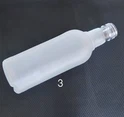
One interesting example of a glass product that can be etched is the Lime Soda Peach Drink Bottle Beverage Glass Bottle Wine Bottle With Special Efection. These bottles have a unique shape and can be transformed into beautiful decorative items through the glass etching process.
Conclusion
The chemical reactions involved in glass etching with powder are complex but fascinating. By understanding these reactions and controlling the factors that affect them, we can achieve a wide range of etching effects on glass. Whether you're an artist looking to create unique glass art or an industrial manufacturer in need of glass marking solutions, our Glass Etching Powder can provide you with the means to achieve your goals.
If you're interested in purchasing our Glass Etching Powder or have any questions about the glass etching process, please feel free to contact us for a purchase negotiation. We're always ready to assist you in bringing your glass etching ideas to life.
References
- Atkins, P., & de Paula, J. (2006). Physical Chemistry. Oxford University Press.
- Chang, R. (2010). Chemistry. McGraw - Hill.
- Huheey, J. E., Keiter, E. A., & Keiter, R. L. (1993). Inorganic Chemistry: Principles of Structure and Reactivity. HarperCollins College Publishers.