As a seasoned supplier of etching glass materials, I've witnessed firsthand the diverse range of products that cater to different needs in the glass etching industry. In this blog, I'll explore the common types of etching glass materials, shedding light on their unique characteristics, applications, and benefits.
1. Acid - Based Etching Materials
Acid - based etching is one of the oldest and most widely used methods for creating intricate designs on glass. The primary acid used in this process is hydrofluoric acid (HF), either in its pure form or as a component in acid mixtures.
Hydrofluoric Acid
Hydrofluoric acid is a powerful etchant that reacts with the silica in glass, breaking down the surface and creating a frosted or etched effect. It can etch glass very quickly, providing a deep and permanent mark. However, it is extremely dangerous to handle. HF can cause severe burns, penetrate the skin easily, and damage internal organs if inhaled or ingested. Special safety precautions, such as wearing protective clothing, gloves, and working in a well - ventilated area, are essential when using hydrofluoric acid.
There are also acid mixtures that contain hydrofluoric acid along with other acids and additives. These mixtures are often formulated to be less aggressive than pure HF while still achieving a good etching result. They can be used for a variety of applications, from simple decorative etchings on glassware to more complex industrial markings. For more information on acid etching for glass, you can visit Acid Etching for Glass.


2. Chemical Etching Compounds
Apart from acid - based solutions, there are other chemical etching compounds available in the market. These compounds work through a chemical reaction with the glass surface, altering its appearance.
Fluorosilicates
Fluorosilicates, such as sodium fluorosilicate, are commonly used in chemical etching. They react with the glass to form a layer of fluoride compounds on the surface, which can be removed to create an etched pattern. Fluorosilicates are generally less hazardous than hydrofluoric acid, making them a safer option for some applications. They are often used in the production of etched glass for architectural purposes, such as decorative windows and partitions.
Ammonium Bifluoride
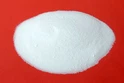
Ammonium bifluoride is another chemical used for glass etching. It is a white crystalline solid that can be dissolved in water to form an etching solution. This compound is less corrosive than hydrofluoric acid but still effective in etching glass. It is suitable for creating fine lines and detailed designs on glass surfaces. You can find more about chemical etching for glass on Chemical Etching for Glass.
3. Water - Based Etching Powders
Water - based etching powders are a popular choice for those who are looking for a more environmentally friendly and user - friendly option.
Composition and Working Mechanism
These powders typically contain a combination of chemicals that, when mixed with water, form an etching solution. The chemicals in the powder react with the glass surface to create an etched effect. They are often formulated to be non - toxic and have a lower odor compared to acid - based etchants.
Applications
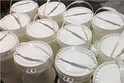
Water - based etching powders are widely used in the art and craft industry. They are suitable for home users, hobbyists, and small - scale glass etching businesses. You can use them to create personalized glassware, such as wine glasses, photo frames, and vases. For more details on water - based etching powders, check out Glass Etching Powder (water - based).
4. Masking Materials
Masking materials play a crucial role in the glass etching process. They are used to protect certain areas of the glass surface from being etched, allowing for the creation of specific patterns and designs.
Adhesive Vinyl
Adhesive vinyl is a commonly used masking material. It can be cut into various shapes using a cutting machine or by hand. Once applied to the glass surface, it creates a barrier that prevents the etching material from reaching the protected areas. Adhesive vinyl is available in different colors and thicknesses, and it can be easily removed after the etching process is complete.
Rubber Stencils
Rubber stencils are another option for masking. They are more durable than vinyl and can be reused multiple times. Rubber stencils are ideal for creating repetitive patterns on glass. You can simply place the stencil on the glass and apply the etching material, and the stencil will ensure that only the desired areas are etched.
5. Abrasive Etching Materials
In addition to chemical methods, abrasive etching is also a viable option for glass.
Sandblasting
Sandblasting involves propelling fine particles of sand or other abrasives at high speed onto the glass surface. The impact of the particles removes the outer layer of the glass, creating an etched effect. Sandblasting can be used to create a wide range of textures, from a smooth frosted finish to a more rough and textured look. It is commonly used in industrial applications, such as creating anti - glare surfaces on glass screens and marking glass for identification purposes.
Diamond - Tip Etching Tools
Diamond - tip etching tools are used for precision etching. The diamond tip is extremely hard and can scratch the glass surface, creating fine lines and detailed designs. These tools are often used by professional glass artists and engravers for creating high - quality, intricate etchings on glass.
Choosing the Right Etching Material
When selecting an etching material, several factors need to be considered.
Application
The intended application of the etched glass is a key factor. For decorative purposes, water - based etching powders or acid mixtures may be sufficient. However, for industrial applications where durability and precision are required, abrasive etching or chemical compounds like hydrofluoric acid mixtures may be more appropriate.
Safety
Safety is of utmost importance when working with etching materials. Acid - based etchants, especially hydrofluoric acid, require strict safety measures. If you are a home user or working in a small - scale setting, less hazardous options like water - based etching powders or fluorosilicates may be a better choice.
Cost
Cost is also a consideration. Some materials, such as high - quality diamond - tip etching tools, can be expensive. On the other hand, water - based etching powders are generally more affordable, making them a good option for those on a budget.
Conclusion
As a supplier of etching glass materials, I understand the importance of providing high - quality products that meet the diverse needs of our customers. Whether you are a professional glass artist, an industrial manufacturer, or a hobbyist, there is an etching material suitable for your project.
If you are interested in purchasing any of the etching glass materials mentioned in this blog, I encourage you to reach out to us. We can provide you with detailed product information, samples, and guidance on the best materials for your specific application. Let's start a conversation about your etching glass needs and find the perfect solution together.
References
- Handbook of Glass Etching Technology
- Journal of Glass Science and Technology
- Glass Art and Etching: A Practical Guide