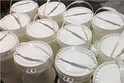
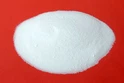
Hey there! As a supplier of Cosmetic Glass Frosting Powder, I've been getting a lot of questions lately about how to properly dispose of the used stuff. So, I thought I'd put together this blog post to share some of the disposal methods that are out there.


First off, it's important to understand that used cosmetic glass frosting powder can be potentially hazardous if not handled correctly. The powder often contains chemicals like hydrofluoric acid or other acidic compounds that can be harmful to the environment and human health. So, we need to take the right steps to make sure we're disposing of it safely.
Recycling Options
One of the best ways to deal with used cosmetic glass frosting powder is through recycling. Recycling not only helps to reduce the environmental impact but also allows for the recovery of valuable materials. Some recycling facilities are equipped to handle glass - related waste, including the residue from glass frosting powder.
Before sending your used powder for recycling, you need to do a bit of prep work. First, separate any large glass fragments or other non - powder contaminants that might be mixed in. You can do this by using a simple sieve or a mesh screen. Once you've separated the powder from the big bits, place it in a sealed, non - reactive container. This helps to prevent any spills or releases of the powder during transportation.
There are some specialized recycling companies that focus on glass and glass - related chemicals. You can search online for local recycling services that accept used glass frosting powder. Make sure to check their requirements and regulations, as some might have specific guidelines on the quantity, packaging, and type of powder they can accept. For more information on high - quality glass frosting products, you can check out Glass Etching Powder For Glass Containers (YK - I).
Chemical Treatment
Another option for disposing of used cosmetic glass frosting powder is chemical treatment. This method involves neutralizing the acidic components of the powder to make it less hazardous. However, this is a more complex process and should only be done by trained professionals.
The first step in chemical treatment is to determine the exact chemical composition of the used powder. This can usually be done through laboratory analysis. Once you know what's in the powder, you can choose the appropriate neutralizing agent. For acidic powders, common neutralizing agents include sodium hydroxide or calcium carbonate.
When adding the neutralizing agent, you need to do it slowly and carefully. The reaction between the acid in the powder and the neutralizing agent can be exothermic, which means it releases heat. If you add the agent too quickly, it can cause a violent reaction and potentially lead to spills or other safety hazards.
After the neutralization process is complete, the treated powder can be further processed. In some cases, it can be sent to a landfill, but only if it meets the landfill's requirements for non - hazardous waste. For more insights on the effects of glass frosting, check out The Permanent Effect On Glass.
Landfill Disposal
Landfill disposal is often seen as a last resort, but in some cases, it might be the only option available. However, not all landfills accept used cosmetic glass frosting powder. Before considering landfill disposal, you need to contact your local landfill management and find out if they have the capacity and the regulations to handle this type of waste.
If the landfill does accept the powder, you'll need to follow their specific guidelines. This usually includes proper packaging. The powder should be placed in a sealed, heavy - duty plastic bag or container to prevent any leakage. You might also need to label the container clearly with information about the contents, including the fact that it's used glass frosting powder.
It's important to note that landfill disposal should be minimized as much as possible. The chemicals in the powder can potentially leach into the soil and groundwater over time, causing long - term environmental damage.
Incineration
Incineration is another disposal method, but it's also quite controversial. Incinerating used cosmetic glass frosting powder can help to reduce the volume of the waste. However, it also releases pollutants into the air if not done properly.
If you're considering incineration, you need to use a specialized incinerator that's designed to handle hazardous waste. These incinerators are equipped with pollution control devices to capture and treat the pollutants before they're released into the atmosphere.
Before sending the powder for incineration, you need to make sure it's dry. Moisture in the powder can cause problems during the incineration process, such as incomplete combustion or the formation of corrosive by - products. For an example of how glass frosting can create a beautiful effect, take a look at Gleaming Surface On The Green Wine Bottles.
Best Practices for Disposal
No matter which disposal method you choose, there are some best practices that you should always follow. First, always wear appropriate personal protective equipment (PPE) when handling used cosmetic glass frosting powder. This includes gloves, goggles, and a respirator to protect yourself from inhaling any dust or fumes.
Keep accurate records of the disposal process. This includes information about the quantity of powder, the disposal method used, the date of disposal, and the location. These records can be useful for regulatory compliance and for future reference.
If you're unsure about the best way to dispose of your used powder, don't hesitate to consult with environmental experts or regulatory agencies. They can provide you with the most up - to - date information and guidance based on your specific situation.
Conclusion
Disposing of used cosmetic glass frosting powder is a serious matter that requires careful consideration. We have several options at our disposal, including recycling, chemical treatment, landfill disposal, and incineration. Each method has its own pros and cons, and the choice depends on factors such as the quantity of powder, the chemical composition, and local regulations.
As a supplier of Cosmetic Glass Frosting Powder, I'm committed to promoting safe and environmentally friendly practices. If you're in the market for high - quality glass frosting powder or have any questions about its use or disposal, feel free to reach out. We can have a chat and see how we can work together to meet your needs.
References
- General knowledge on glass recycling and waste management.
- Industry standards and regulations for handling hazardous chemicals.