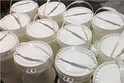
Does Cosmetic Glass Frosting Powder Affect the Transparency of Glass?
As a supplier of cosmetic glass frosting powder, I've encountered numerous inquiries regarding the impact of our product on glass transparency. This topic is crucial for both glass manufacturers and cosmetic companies, as the right balance between aesthetics and functionality is essential. In this blog, I'll delve into the science behind glass frosting, how our powder works, and its effect on glass transparency.
Understanding Glass Frosting
Glass frosting is a process that alters the surface of glass to create a translucent or opaque appearance. This is achieved by either mechanical or chemical means. Mechanical frosting involves sandblasting or grinding the glass surface, which creates a rough texture that scatters light, reducing transparency. Chemical frosting, on the other hand, uses chemicals to etch the glass surface, producing a similar effect.
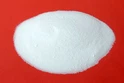
Our cosmetic glass frosting powder falls into the chemical frosting category. It contains a blend of chemicals that react with the glass surface to create a micro - rough texture. This texture diffuses light, giving the glass a frosted look.

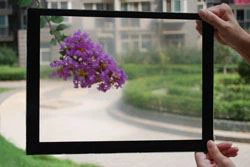
How Our Frosting Powder Works
Our frosting powder is formulated with specific chemicals that are carefully selected for their etching properties. When the powder is mixed with water to form a solution and applied to the glass surface, the chemicals start to react with the silicon dioxide in the glass. This reaction breaks down the surface layer of the glass, creating tiny pits and bumps.
The size and density of these pits and bumps determine the degree of frosting and, consequently, the transparency of the glass. A finer texture will result in a more translucent appearance, while a coarser texture will make the glass more opaque. Our R & D team has spent years perfecting the formulation to achieve a consistent and high - quality frosting effect.
Impact on Glass Transparency
The use of our cosmetic glass frosting powder does affect the transparency of glass, but the extent depends on several factors.
1. Concentration of the Frosting Solution
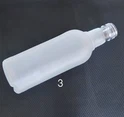
The concentration of the frosting solution is a key factor. A higher concentration of the powder in the solution will result in a more aggressive etching process. This means that more of the glass surface will be removed, creating a coarser texture and reducing transparency. Conversely, a lower concentration will produce a finer texture and a more translucent appearance. For example, if you are looking for a glass bottle with a subtle satin effect, a lower concentration of our frosting powder would be ideal. You can check out our Satin Effect Glass Bottle for inspiration.
2. Application Time
The length of time the frosting solution is left on the glass surface also impacts transparency. Longer application times allow the chemicals to etch deeper into the glass, resulting in a more opaque finish. Shorter application times, on the other hand, will create a lighter frosting effect and maintain more transparency. It's important to carefully control the application time based on the desired level of transparency.
3. Type of Glass
Different types of glass have different compositions, which can affect how they react to the frosting powder. For instance, borosilicate glass is more resistant to chemical etching compared to soda - lime glass. This means that achieving the same level of frosting on borosilicate glass may require a stronger solution or a longer application time. Our frosting powder is designed to work effectively on a variety of glass types, but adjustments may be needed depending on the specific glass composition.
Advantages of Using Our Frosting Powder
Despite the impact on transparency, there are several advantages to using our cosmetic glass frosting powder.
1. Aesthetic Appeal
The frosted look created by our powder adds a touch of elegance and sophistication to cosmetic glass containers. It can hide imperfections in the glass and give the product a more premium appearance. Many cosmetic brands prefer frosted glass bottles for their high - end products because it enhances the overall visual appeal.
2. Privacy
In some cases, reduced transparency is actually desirable. For example, when packaging products such as perfumes or certain skincare formulations, a frosted glass bottle can provide a degree of privacy, hiding the contents from view while still allowing the brand logo and label to be visible.
3. Branding Opportunities
The frosted surface of the glass provides an excellent canvas for branding. Logos, labels, and other decorative elements stand out more on a frosted background, making it easier for the brand to communicate its message to consumers.
Real - World Applications
Our frosting powder has been widely used in the cosmetic industry for various applications. For example, it is commonly used to create Export Premium Glass Bottle Water Container Alcohol Wine. These bottles not only look great but also protect the contents from excessive light exposure, which can be harmful to some products.
In addition, our powder is also used in the production of anti - glare (AG) glass. The Satin Chemical For AG Glass Production is formulated to create a fine - grained frosting effect that reduces glare and reflections. This is particularly useful for glass displays and touchscreens.
Conclusion
In conclusion, our cosmetic glass frosting powder does affect the transparency of glass, but it offers a range of benefits in terms of aesthetics, privacy, and branding. By carefully controlling the concentration of the frosting solution, the application time, and considering the type of glass, you can achieve the desired level of transparency for your specific application.
If you are interested in our cosmetic glass frosting powder and would like to discuss your requirements or place an order, please feel free to contact us. Our team of experts is ready to assist you in finding the perfect solution for your glass frosting needs.
References
- "Glass Science and Technology" by David R. Uhlmann and Norman J. Kreidl
- "Chemical Etching of Glass: Principles and Applications" by John A. Doremus