What are the impacts of chemical frosting on the glass's transparency?
As a supplier of chemical frosting for glass, I've witnessed firsthand the transformative power of this process. Chemical frosting is a technique used to alter the surface of glass, creating a frosted appearance that can range from a subtle satin finish to a more opaque, privacy - enhancing effect. In this blog, I'll delve into the impacts of chemical frosting on the glass's transparency, exploring both the science behind it and the practical applications in various industries.
The Science of Chemical Frosting
Chemical frosting works by using a combination of chemicals, typically hydrofluoric acid or fluoride - based compounds, to etch the surface of the glass. When these chemicals come into contact with the glass, they react with the silica (SiO₂) in the glass, breaking down the surface layer and creating a rough, irregular texture. This rough surface scatters light as it passes through the glass, rather than allowing it to pass through in a straight line as it does with clear, untreated glass.
The degree of transparency reduction depends on several factors, including the concentration of the frosting chemicals, the duration of the etching process, and the type of glass being treated. Higher concentrations of chemicals and longer etching times generally result in a more opaque, less transparent finish. Different types of glass, such as soda - lime glass or borosilicate glass, may also react differently to the frosting chemicals, leading to variations in the final transparency.
Reducing Transparency for Privacy
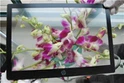
One of the most common reasons for chemically frosting glass is to enhance privacy. In commercial and residential settings, frosted glass can be used in windows, partitions, and doors to obscure the view from the outside while still allowing light to enter the space. For example, in office buildings, frosted glass partitions can be used to create private work areas without sacrificing the open - feel of the office. In bathrooms, frosted glass windows provide privacy while maintaining a bright and airy atmosphere.
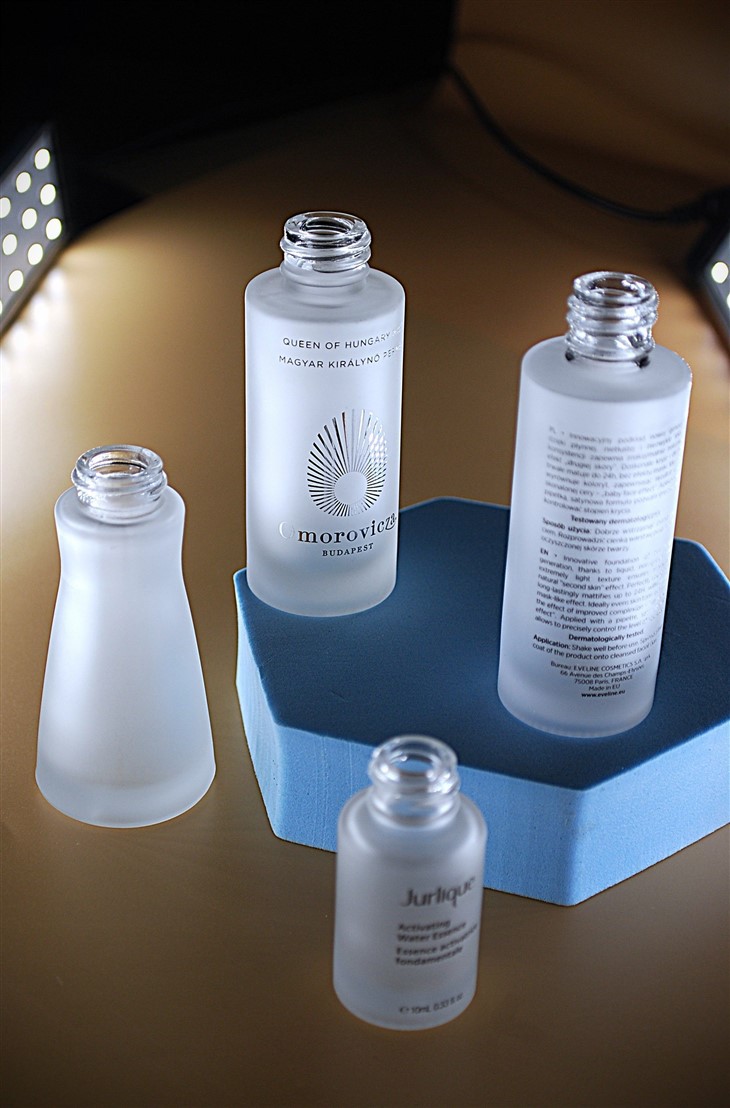
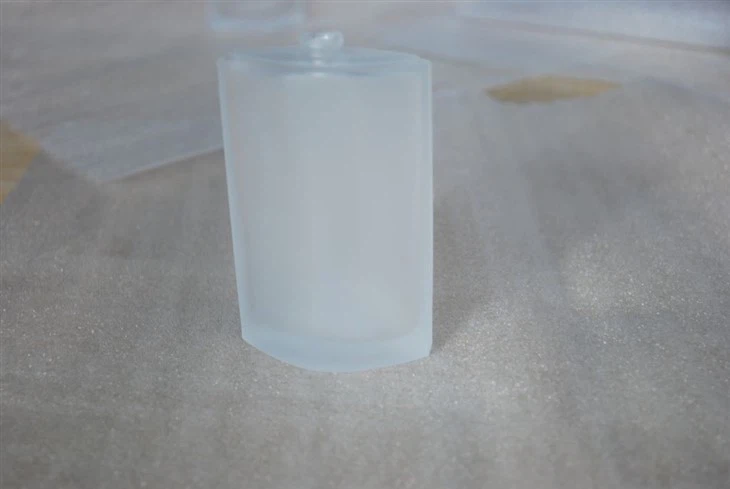
The satin - like finish created by chemical frosting can reduce visibility significantly, making it difficult to see through the glass clearly. This is particularly useful in areas where privacy is a concern, such as changing rooms, medical facilities, and government buildings. Our Satin Effect Glass Bottles are a great example of how chemical frosting can be used to balance privacy and aesthetics. These bottles have a beautiful, frosted appearance that not only protects the contents from light but also adds a touch of elegance.
Aesthetic Appeal and Decorative Purposes
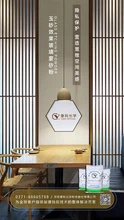
Chemical frosting also offers a unique aesthetic appeal that can enhance the overall design of a space or product. The frosted finish can add a sense of sophistication and luxury to glass objects, making them stand out. In the interior design industry, frosted glass is often used in decorative elements such as chandeliers, wall panels, and furniture. The soft, diffused light that passes through frosted glass creates a warm and inviting atmosphere, perfect for creating a cozy and stylish environment.
In the packaging industry, chemical frosting is widely used to enhance the appearance of glass bottles and jars. Our Cosmetic Bottle Surface Glass Decorative Material is specifically designed to give cosmetic bottles a high - end, frosted look. This not only makes the products more attractive to consumers but also helps to protect the contents from light damage. The reduced transparency of the frosted glass can also create a sense of mystery, making the product more alluring.
Impact on Light Transmission
While chemical frosting reduces the transparency of glass, it doesn't completely block light. In fact, frosted glass can actually enhance the diffusion of light, creating a more even and soft lighting effect. This is beneficial in many applications, such as in lighting fixtures. Frosted glass shades can help to disperse light more evenly, reducing glare and creating a more comfortable and pleasant lighting environment.
The amount of light that passes through frosted glass depends on the degree of frosting. A lightly frosted glass may allow a significant amount of light to pass through, while a heavily frosted glass may reduce light transmission more substantially. However, even with a more opaque finish, frosted glass can still provide sufficient lighting for many indoor spaces.
Practical Considerations in Manufacturing
When using chemical frosting in manufacturing processes, it's important to consider the impact on transparency. Manufacturers need to carefully control the frosting process to achieve the desired level of transparency. This requires precise measurement of the chemicals, accurate timing of the etching process, and proper handling of the glass.
In addition, the transparency of frosted glass can be affected by the post - treatment processes. For example, if the glass is cleaned or polished after frosting, it may alter the surface texture and, consequently, the transparency. Our Chemical For Etched Glass Decoration is formulated to provide consistent and reliable results, allowing manufacturers to achieve the exact level of transparency they need for their products.
Conclusion
Chemical frosting has a profound impact on the transparency of glass. It can be used to enhance privacy, add aesthetic appeal, and improve light diffusion. As a supplier of chemical frosting products, we understand the importance of providing high - quality solutions that meet the specific needs of our customers. Whether you're looking to create a private office space, a beautiful decorative element, or an attractive packaging solution, our chemical frosting products can help you achieve the desired results.
If you're interested in learning more about our chemical frosting products or have a specific project in mind, we invite you to contact us for a consultation. Our team of experts is ready to assist you in selecting the right products and processes to meet your requirements. Let's work together to create stunning glass products with the perfect balance of transparency and style.
References
- Glass Science and Technology, various editions, which cover the chemical reactions involved in glass etching and its effects on transparency.
- Architectural Glass Design Handbooks, which discuss the practical applications of frosted glass in building design, including privacy and aesthetic considerations.
- Packaging Industry Journals, which provide insights into the use of frosted glass in product packaging and its impact on consumer perception.