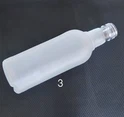
Can glass frosting chemical be used on glass lanterns?
As a seasoned supplier of glass frosting chemicals, I've witnessed the diverse applications of our products across numerous industries. One question that often arises is whether glass frosting chemicals can be used on glass lanterns. In this blog post, I'll delve into this topic, exploring the feasibility, benefits, and considerations of using glass frosting chemicals on glass lanterns.
Understanding Glass Frosting Chemicals
Before we discuss their application on glass lanterns, let's first understand what glass frosting chemicals are. These chemicals are formulated to etch or modify the surface of glass, creating a frosted or translucent appearance. They typically contain substances such as hydrofluoric acid or other fluoride compounds, which react with the glass surface to remove a thin layer of material, resulting in a diffused light effect.
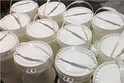
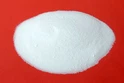
There are different types of glass frosting chemicals available in the market, including frosting powders, pastes, and sprays. Each type has its own unique characteristics and application methods, but they all serve the same purpose of creating a frosted finish on glass.
Feasibility of Using Glass Frosting Chemicals on Glass Lanterns
The short answer is yes, glass frosting chemicals can be used on glass lanterns. In fact, frosting the glass of lanterns can enhance their aesthetic appeal and functionality in several ways.
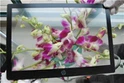
- Aesthetic Enhancement: Frosted glass lanterns have a soft, elegant look that can add a touch of sophistication to any space. The frosted finish diffuses the light emitted by the lantern, creating a warm and inviting glow that is more visually appealing than the harsh glare of clear glass.
- Privacy and Glare Reduction: If the glass lantern is used in an area where privacy is desired or where glare from the light source is a concern, frosting the glass can help to mitigate these issues. The frosted surface scatters the light, reducing the intensity of the glare and providing a more comfortable viewing experience.
- Customization: Glass frosting chemicals allow for a high degree of customization. You can create different patterns, designs, or textures on the glass surface, adding a unique and personalized touch to your lanterns. This can make your lanterns stand out from the crowd and become a focal point in any room.
Benefits of Using Glass Frosting Chemicals on Glass Lanterns
In addition to the aesthetic and functional benefits mentioned above, there are several other advantages to using glass frosting chemicals on glass lanterns.
- Durability: Frosted glass is more resistant to scratches and damage than clear glass. The etching process creates a microscopically rough surface that is less likely to be scratched by everyday use or cleaning. This means that your frosted glass lanterns will maintain their appearance and functionality for longer.
- Easy Maintenance: Frosted glass is easier to clean than clear glass. The rough surface of the frosted glass helps to hide fingerprints, smudges, and other dirt and debris, making it less noticeable and easier to wipe clean.
- Cost-Effective: Using glass frosting chemicals is a cost-effective way to transform the appearance of your glass lanterns. Instead of purchasing expensive pre-frosted glass lanterns, you can simply apply the frosting chemical to your existing clear glass lanterns and achieve the same effect at a fraction of the cost.
Considerations When Using Glass Frosting Chemicals on Glass Lanterns
While glass frosting chemicals can be used on glass lanterns, there are a few considerations that you should keep in mind before proceeding.
- Safety: Glass frosting chemicals contain hazardous substances that can be harmful if not handled properly. It is important to follow all safety instructions provided by the manufacturer, including wearing protective gloves, goggles, and a respirator, and working in a well-ventilated area.
- Compatibility: Not all glass frosting chemicals are suitable for all types of glass. Before applying the chemical to your glass lanterns, it is important to test it on a small, inconspicuous area of the glass to ensure that it does not cause any damage or discoloration.
- Application Method: The application method of the glass frosting chemical will depend on the type of chemical you are using and the design of your glass lanterns. Some chemicals are applied by spraying, while others are applied by brushing or dipping. It is important to follow the manufacturer's instructions carefully to ensure that the chemical is applied evenly and smoothly.
- Drying Time: After applying the glass frosting chemical, it is important to allow it to dry completely before using the lantern. The drying time will depend on the type of chemical you are using and the environmental conditions. It is important to be patient and allow the chemical to dry thoroughly to ensure a long-lasting and professional-looking finish.
Examples of Glass Frosting Chemical Applications on Glass Lanterns
To give you a better idea of how glass frosting chemicals can be used on glass lanterns, here are a few examples of different application methods and designs.
- Full Frosting: One of the simplest and most common ways to use glass frosting chemicals on glass lanterns is to apply a full frosted finish to the entire surface of the glass. This can create a soft, uniform glow that is perfect for creating a relaxing and inviting atmosphere.
- Patterned Frosting: If you want to add a more decorative touch to your glass lanterns, you can create a patterned frosted finish using stencils or masking tape. This allows you to create intricate designs or patterns on the glass surface, adding a unique and personalized touch to your lanterns.
- Gradient Frosting: Another creative way to use glass frosting chemicals on glass lanterns is to create a gradient frosted finish. This involves applying the chemical in a way that creates a gradual transition from a clear to a frosted finish, creating a beautiful and eye-catching effect.
Where to Learn More
If you're interested in learning more about glass frosting chemicals and their applications, I recommend checking out the following resources:


- Why Cosmetic Bottles Have Milky Surface: This article provides an in-depth look at the reasons why cosmetic bottles often have a milky surface, and how glass frosting chemicals are used to achieve this effect.
- New Type Frosting Powder Pharmacy Amber Translucent Brown Bottle: This page showcases a new type of frosting powder that is specifically designed for use on pharmacy amber translucent brown bottles. It provides detailed information about the product's features, benefits, and application methods.
- How To Produce The Milky Surface On Glass Bottle: This article offers step-by-step instructions on how to produce a milky surface on a glass bottle using glass frosting chemicals. It includes tips and tricks for achieving the best results.
Conclusion
In conclusion, glass frosting chemicals can be a great way to enhance the aesthetic appeal and functionality of glass lanterns. They offer a high degree of customization, durability, and easy maintenance, and can be used to create a variety of different designs and effects. However, it is important to follow all safety instructions and considerations when using these chemicals to ensure a safe and successful application.
If you're interested in using glass frosting chemicals on your glass lanterns or have any other questions about our products, please don't hesitate to contact us. We'd be happy to discuss your needs and provide you with more information about our glass frosting chemicals and how they can be used to transform your glass lanterns.
References
- Manufacturer's instructions for glass frosting chemicals
- Industry standards and best practices for glass frosting
- Online resources and articles on glass frosting and its applications