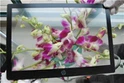
Hey there! As a supplier of anti glare glass, I've seen firsthand how crucial it is to know the right installation methods. Anti glare glass is super useful in many situations, like reducing reflections on car dashboard screens, touchscreens, and more. So, let's dive into the different ways you can install this amazing glass.
Adhesive Installation
One of the most common ways to install anti glare glass is using adhesive. This method is great for many applications, especially when you need a strong and long - lasting bond.
First off, you gotta prepare the surface where the glass will be installed. Make sure it's clean and free of dust, dirt, and any other debris. A dirty surface can prevent the adhesive from sticking properly. You can use a mild cleaning solution and a soft cloth to wipe it down.


Once the surface is clean, apply the adhesive. There are different types of adhesives available, like epoxy or silicone - based ones. Epoxy adhesives are known for their high strength and durability. They can withstand a lot of stress and are resistant to chemicals. Silicone - based adhesives, on the other hand, are more flexible and can handle some movement without breaking the bond.
After applying the adhesive, carefully place the anti glare glass on the surface. Make sure it's aligned correctly. You might need to use some tools to hold it in place while the adhesive dries. This could take anywhere from a few hours to a full day, depending on the type of adhesive you're using.
Adhesive installation is perfect for things like Anti - Glare Glass Touch Screen. The strong bond ensures that the glass stays in place, even with frequent touch interactions.
Mechanical Fastening
Mechanical fastening is another option for installing anti glare glass. This method involves using screws, clips, or brackets to hold the glass in place.
When using screws, you first need to drill holes in the glass and the surface where it will be installed. It's super important to use the right drill bit and drill at the correct speed to avoid cracking the glass. Once the holes are drilled, insert the screws and tighten them carefully.
Clips and brackets are also a popular choice. They're easy to install and can be adjusted if needed. You simply attach the clips or brackets to the surface and then slide the glass into place.
Mechanical fastening is often used for larger pieces of anti glare glass, like those used in display cases or large - scale touchscreens. It provides a secure hold and allows for easy removal and replacement if necessary. For example, in a museum display case with AG Glass For Car Dashboard Screen, mechanical fastening would be a good choice to ensure the glass can be safely installed and maintained.
Frame Installation
Frame installation is a classic way to install anti glare glass. You create a frame around the glass, which not only holds it in place but also adds a decorative touch.
You can make frames from different materials, such as wood, metal, or plastic. Wood frames give a warm and natural look, while metal frames are more modern and durable. Plastic frames are lightweight and affordable.
To install the glass in the frame, you first measure the glass and cut the frame pieces to the right size. Then, you use nails, screws, or adhesive to assemble the frame. Finally, you place the glass inside the frame and secure it with glazing points or rubber gaskets.
Frame installation is great for Anti Glare Etched Glass. The frame can enhance the beauty of the etched design and protect the edges of the glass.
In - Situ Coating
In - situ coating is a unique installation method where the anti glare coating is applied directly to the glass surface at the installation site.
This method is useful when you already have a glass panel in place and want to add anti glare properties. First, you clean the glass surface thoroughly. Then, you apply the anti glare coating using a special applicator, like a spray gun or a roller.
The coating needs to be applied evenly to ensure consistent anti glare performance. After application, you let it dry and cure according to the manufacturer's instructions.
In - situ coating is a cost - effective way to upgrade existing glass, especially in older buildings or equipment where replacing the glass might be too expensive.
Choosing the Right Installation Method
Now that you know about the different installation methods, how do you choose the right one? Well, it depends on a few factors.
The first factor is the application. If you're installing anti glare glass on a car dashboard screen, adhesive installation might be the best choice because it provides a smooth and seamless look. For a large display in a public area, mechanical fastening could be more suitable as it offers a strong and secure hold.
The size and weight of the glass also matter. Larger and heavier glass panels may require mechanical fastening or frame installation to ensure they stay in place. Smaller glass pieces can often be installed using adhesive or in - situ coating.
Budget is another important factor. Adhesive installation and in - situ coating are generally more cost - effective, while mechanical fastening and frame installation may involve more materials and labor, making them more expensive.
Conclusion
So, there you have it - the different installation methods for anti glare glass. Whether you choose adhesive installation, mechanical fastening, frame installation, or in - situ coating, each method has its own advantages and is suitable for different applications.
If you're interested in purchasing anti glare glass or have any questions about installation, feel free to reach out. We're here to help you find the best solution for your needs. Whether it's for a car dashboard screen, a touchscreen, or an etched glass display, we've got the right anti glare glass for you.
References
- "Glass Installation Handbook" - A comprehensive guide on various glass installation techniques.
- Manufacturer's guidelines for different types of anti glare glass and adhesives.