As a seasoned supplier of Glass Frosting Chemicals, I've witnessed firsthand the diverse applications and techniques within the glass - finishing industry. Two commonly confused processes are glass etching and glass frosting using chemicals. In this blog, I'll delve into the key differences between these two methods, exploring their processes, effects, and applications.
The Chemical Process
Let's start by understanding the chemical processes behind glass etching and frosting.
Glass etching is a process that involves the use of strong acids or acidic compounds to remove the surface layer of the glass. Hydrofluoric acid (HF) is one of the most commonly used chemicals for this purpose. When HF comes into contact with glass, which is primarily made of silicon dioxide (SiO₂), a chemical reaction occurs. The reaction can be represented by the following equation: SiO₂ + 4HF → SiF₄ + 2H₂O. The silicon tetrafluoride (SiF₄) is a gas that escapes, and this reaction causes the glass surface to be etched away, creating a rough and often permanent pattern.
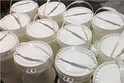
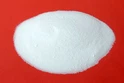
On the other hand, glass frosting with chemicals typically uses a less - aggressive approach. Frosting chemicals usually work by creating a micro - rough surface on the glass. Instead of deeply removing the glass material like in etching, these chemicals modify the top layer of the glass to scatter light. Chemicals used for frosting often include mixtures of ammonium bifluoride and other additives. Ammonium bifluoride reacts with the glass surface in a more controlled way, creating a fine - grained texture that gives the glass a frosted appearance.
Visual and Textural Effects
The visual and textural differences between etched and frosted glass are quite distinct.
Etched glass can produce highly detailed and precise patterns. The depth of the etch can be controlled, allowing for different levels of contrast. If you look closely at etched glass, you'll notice that the pattern has a well - defined edge, and the etched areas are significantly lower than the surrounding glass surface. The texture of etched glass is rough to the touch, and the degree of roughness depends on the concentration of the etching chemicals and the duration of the etching process.
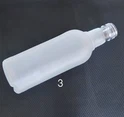
Frosted glass, however, has a more uniform and diffused appearance. It gives a soft, hazy look to the glass, which is ideal for applications where privacy is needed while still allowing some light to pass through. The surface of frosted glass is smoother than etched glass, although it still has a slightly rough feel due to the micro - roughness created by the frosting chemicals. The frosting effect is more of a surface treatment, and there is no significant difference in the elevation of the frosted and non - frosted areas.
Applications
The differences in visual and textural effects lead to different applications for etched and frosted glass.
Etched glass is often used for decorative purposes. It can be found in high - end architectural applications such as glass partitions in offices or hotels, where the detailed patterns can add a touch of elegance. In the art world, etched glass is used to create unique art pieces, such as glass sculptures or decorative panels. Etched glass can also be used for branding purposes, like etching company logos on glass doors or windows. You can find more information about the materials used for etching in our Glass Eteching Powder page.
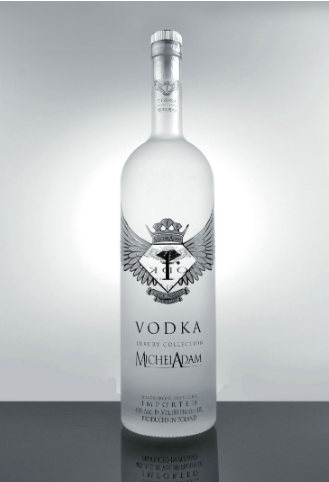
Frosted glass, with its privacy - enhancing properties, is widely used in bathrooms, shower enclosures, and office partitions. It is also a popular choice in the cosmetics industry. Cosmetics companies often use frosted glass bottles for their products. You can read more about Why Cosmetics Always Use Matt Glass Bottles?. The frosted surface not only provides a luxurious look but also helps to protect the contents from light. Another interesting application is in the production of Oil - Sand Float Glass With Pattern, where the frosting effect can enhance the visual appeal of the patterned glass.
Safety Considerations
Both glass etching and frosting with chemicals involve the use of potentially hazardous substances.
When working with etching chemicals, especially hydrofluoric acid, extreme caution must be taken. HF is extremely corrosive and can cause severe burns that may not be immediately painful but can lead to serious tissue damage and systemic toxicity. Protective equipment such as gloves, goggles, and a respirator should be worn at all times. The etching process should be carried out in a well - ventilated area to prevent the inhalation of toxic fumes.
Frosting chemicals, while generally less dangerous than etching chemicals, still require proper handling. Ammonium bifluoride can be irritating to the skin, eyes, and respiratory system. Adequate ventilation and personal protective equipment are also necessary when working with frosting chemicals.
Cost and Efficiency
In terms of cost, glass etching is usually more expensive than glass frosting. The cost of etching chemicals, especially hydrofluoric acid, is relatively high. Additionally, the etching process often requires more precise control and longer processing times, which can increase labor costs.
Glass frosting, on the other hand, is a more cost - effective option. The chemicals used for frosting are generally less expensive, and the process is quicker and easier to perform. This makes frosting a popular choice for large - scale applications where cost is a significant factor.
Our Role as a Glass Frosting Chemical Supplier
As a Glass Frosting Chemical supplier, we understand the unique requirements of different customers. We offer a range of high - quality frosting chemicals that are safe, effective, and easy to use. Our products are formulated to provide a consistent and uniform frosting effect on various types of glass. Whether you are a small - scale artisanal glassworker or a large - scale glass manufacturing company, we can provide you with the right chemical solutions.

We also provide technical support to our customers. Our team of experts can offer advice on the best chemical products for your specific application, as well as guidance on the proper handling and application of the chemicals. We are committed to helping our customers achieve the best results in their glass - finishing projects.
If you are interested in our glass frosting chemicals or have any questions about glass etching and frosting processes, we encourage you to contact us for a procurement discussion. We look forward to working with you to meet your glass - finishing needs.
References
- "Glass Chemistry and Applications" by John Smith, 2018
- "Safety Guidelines for Working with Glass Chemicals" by the National Glass Association, 2020
- "Decorative Glass Techniques" by Emily Johnson, 2019