As a seasoned supplier of Glass Etching Chemicals, I've had the privilege of witnessing the fascinating world of glass etching up close. Glass etching is an art form that transforms ordinary glass into a work of beauty, and the chemicals used in this process are the unsung heroes behind the magic. In this blog post, I'll delve into the main components of glass etching chemicals, shedding light on their roles and importance.
Hydrofluoric Acid (HF)
Hydrofluoric acid is perhaps the most well - known and widely used component in glass etching chemicals. It is a highly corrosive and reactive acid that has a unique ability to react with the silica (SiO₂) present in glass. The chemical reaction between hydrofluoric acid and silica can be represented by the following equation:
SiO₂ + 4HF → SiF₄ + 2H₂O
This reaction breaks down the silica structure of the glass, creating a rough surface that scatters light, resulting in the characteristic frosted appearance. Hydrofluoric acid is extremely dangerous to handle due to its high toxicity. It can cause severe burns, damage to internal organs, and even be fatal if inhaled or absorbed through the skin. Therefore, when using hydrofluoric acid in glass etching chemicals, strict safety measures must be in place.
There are different concentrations of hydrofluoric acid used in glass etching. Lower concentrations are often used for more delicate etching work, while higher concentrations can achieve a more aggressive and rapid etching effect. For those interested in a reliable Chemical Glass Etching Solution that contains hydrofluoric acid, you can visit Chemical Glass Etching Solution.
Ammonium Bifluoride (NH₄HF₂)
Ammonium bifluoride is another important component in glass etching chemicals. It is a salt that can release hydrofluoric acid when dissolved in water. This makes it a safer alternative to using pure hydrofluoric acid in some cases. Ammonium bifluoride reacts with the glass surface in a similar way to hydrofluoric acid, attacking the silica network.
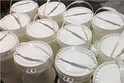
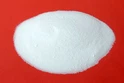
The advantage of using ammonium bifluoride is that it is less volatile than hydrofluoric acid, reducing the risk of inhalation of toxic fumes. It is also more stable in storage. Ammonium bifluoride is commonly used in glass etching powders and solutions. For instance, Glass Etching Powder often contains ammonium bifluoride as a key ingredient. It provides a controlled and consistent etching effect, making it suitable for both small - scale and large - scale glass etching projects.
Sulfuric Acid (H₂SO₄)
Sulfuric acid is sometimes added to glass etching chemicals. It serves multiple purposes. Firstly, it can act as a catalyst, speeding up the reaction between the glass and the etching agents such as hydrofluoric acid or ammonium bifluoride. Secondly, sulfuric acid can help to adjust the pH of the etching solution, which is crucial for achieving the desired etching rate and quality.
In addition, sulfuric acid can enhance the solubility of some of the other components in the etching solution. However, like hydrofluoric acid, sulfuric acid is a strong and corrosive acid. It requires careful handling and proper safety precautions. When formulating glass etching chemicals, the amount of sulfuric acid added needs to be precisely controlled to ensure optimal etching results.
Additives and Stabilizers
Apart from the main acids, glass etching chemicals often contain various additives and stabilizers. These substances are added to improve the performance and stability of the etching solution.
One common type of additive is a wetting agent. Wetting agents reduce the surface tension of the etching solution, allowing it to spread evenly over the glass surface. This ensures a more uniform etching effect. Another important group of additives is corrosion inhibitors. These inhibitors are used to protect the equipment used in the etching process from being corroded by the strong acids.
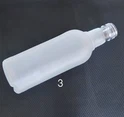
Stabilizers are added to prevent the premature decomposition or reaction of the components in the etching solution. They help to maintain the chemical stability of the solution over time, ensuring consistent etching results. For example, in SATINAL MATERIAL FOR FROSTED GLASS PRODUCTION, specific additives and stabilizers are incorporated to achieve a high - quality frosted glass finish.
Buffers
Buffers are substances that can resist changes in pH when an acid or a base is added to a solution. In glass etching chemicals, buffers are used to maintain a stable pH environment. This is important because the etching reaction is highly pH - dependent. A stable pH ensures that the etching process proceeds at a consistent rate and produces a uniform etching pattern.
Common buffer systems used in glass etching chemicals include phosphate - based and acetate - based buffers. These buffers can be adjusted to different pH values depending on the specific requirements of the glass etching process.


Applications of Glass Etching Chemicals
The components of glass etching chemicals combine to create products that have a wide range of applications. In the architectural industry, etched glass is used for decorative purposes such as partitions, windows, and doors. The frosted or patterned glass can add privacy while still allowing light to pass through.
In the art and craft field, glass etching chemicals are used by artists to create unique and personalized glass artworks. From small glass vases to large - scale glass sculptures, the possibilities are endless. In the electronics industry, glass etching is used for the production of micro - structures on glass substrates, which are essential for the manufacturing of display panels and other electronic devices.
Quality and Safety Assurance
As a supplier of Glass Etching Chemicals, quality and safety are our top priorities. We ensure that all our products are formulated with the highest - quality raw materials. Our glass etching chemicals undergo rigorous quality control tests to ensure that they meet the industry standards.
In terms of safety, we provide detailed safety data sheets (SDS) for all our products. These SDSs contain information about the hazards of the chemicals, proper handling procedures, and emergency response measures. We also offer training and support to our customers to ensure that they can use our products safely and effectively.
Contact for Procurement
If you are interested in our high - quality Glass Etching Chemicals, we encourage you to contact us for procurement and further discussion. Whether you are a small - scale artist or a large - scale industrial manufacturer, we have the right products to meet your needs. Our team of experts is ready to assist you in choosing the most suitable glass etching chemicals for your specific applications.
References
- "Glass Etching Technology: Principles and Applications" - Journal of Glass Science and Technology
- "Chemical Reactions in Glass Etching Processes" - International Journal of Chemical Engineering
- Safety Data Sheets of Glass Etching Chemicals - Various chemical suppliers