Hey there! As a supplier of Glass Etching Chemical, I often get asked about how long it takes for glass etching chemicals to etch glass. It's a common question, and the answer isn't as straightforward as you might think. In this blog, I'll break down the factors that influence the etching time and give you a better idea of what to expect.
Understanding the Basics of Glass Etching
Before we dive into the etching time, let's quickly go over what glass etching is and how it works. Glass etching is a process that uses chemicals to create a frosted or decorative effect on the surface of glass. The most common chemicals used for glass etching are hydrofluoric acid (HF) and its derivatives, which react with the silica in the glass to create a rough, matte surface.
There are two main types of glass etching: surface etching and deep etching. Surface etching is used to create a light, frosted effect on the surface of the glass, while deep etching is used to create more pronounced patterns and designs. The type of etching you choose will depend on your desired outcome and the type of glass you're working with.
Factors Affecting Etching Time
Now, let's talk about the factors that can affect how long it takes for glass etching chemicals to etch glass. There are several variables to consider, including the type of chemical, the concentration of the chemical, the temperature, the type of glass, and the desired etch depth.
Type of Chemical
Not all glass etching chemicals are created equal. Some chemicals are more aggressive and will etch glass faster than others. For example, hydrofluoric acid is one of the most powerful glass etching chemicals available and can etch glass in a matter of minutes. However, it's also extremely dangerous and requires special handling and safety precautions.
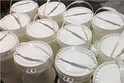
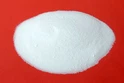
On the other hand, there are also safer, more environmentally friendly glass etching chemicals available, such as YK Glass Frosting Powder (water-based). These chemicals are typically less aggressive and may take longer to etch glass, but they're also easier to use and pose less of a risk to your health and the environment.
Concentration of the Chemical
The concentration of the glass etching chemical you use will also have a significant impact on the etching time. Generally speaking, the higher the concentration of the chemical, the faster it will etch glass. However, using a higher concentration of chemical also increases the risk of over-etching the glass, which can result in a rough, uneven surface.
It's important to follow the manufacturer's instructions when diluting the glass etching chemical to ensure that you're using the correct concentration for your specific application. If you're unsure, it's always a good idea to test the chemical on a small, inconspicuous area of the glass first to see how it reacts.
Temperature
Temperature plays a crucial role in the glass etching process. In general, higher temperatures will speed up the etching process, while lower temperatures will slow it down. This is because the chemical reactions that occur during glass etching are more likely to happen at higher temperatures.
However, it's important to note that extreme temperatures can also have a negative impact on the glass and the etching process. For example, if the temperature is too high, the glass may crack or break, and the etching may not be as uniform. On the other hand, if the temperature is too low, the chemical may not react properly, and the etching may take much longer or not work at all.


Type of Glass
The type of glass you're working with will also affect the etching time. Different types of glass have different compositions and properties, which can make them more or less resistant to etching. For example, borosilicate glass is more resistant to etching than soda-lime glass, so it may take longer to etch.
In addition, the thickness of the glass can also affect the etching time. Thicker glass will generally take longer to etch than thinner glass, as the chemical needs to penetrate deeper into the glass to create the desired effect.
Desired Etch Depth
Finally, the desired etch depth will also play a role in how long it takes for the glass etching chemical to etch glass. If you're looking for a light, surface etch, the process will typically be faster than if you're looking for a deeper, more pronounced etch.
It's important to keep in mind that the etching process is not always linear. As the chemical etches deeper into the glass, it may encounter different layers of the glass with different compositions and properties, which can slow down the etching process.
Typical Etching Times
So, now that we've covered the factors that can affect the etching time, let's talk about some typical etching times for different types of glass etching chemicals and applications.
Surface Etching
For surface etching using a water-based glass etching chemical like YK Glass Frosting Powder (water-based), the etching time can range from 5 to 15 minutes, depending on the factors we discussed earlier. This type of etching is typically used to create a light, frosted effect on the surface of the glass and is suitable for a variety of applications, such as decorative glassware, mirrors, and windows.
Deep Etching
For deep etching using a more aggressive glass etching chemical like hydrofluoric acid, the etching time can range from 30 minutes to several hours, depending on the desired etch depth and the type of glass. This type of etching is typically used to create more pronounced patterns and designs on the glass and is suitable for applications such as glass signage, awards, and architectural glass.
Tips for Faster Etching
If you're looking to speed up the glass etching process, there are a few things you can do. Here are some tips to help you get the job done faster:
- Use a higher concentration of chemical: As we mentioned earlier, using a higher concentration of chemical will generally result in faster etching. However, be careful not to overdo it, as this can increase the risk of over-etching the glass.
- Increase the temperature: Raising the temperature of the chemical solution can also speed up the etching process. However, make sure you don't exceed the recommended temperature range for the chemical you're using, as this can damage the glass and the chemical.
- Use a more aggressive chemical: If you're using a water-based glass etching chemical and it's taking too long to etch, you may want to consider switching to a more aggressive chemical. However, keep in mind that these chemicals are typically more dangerous and require special handling and safety precautions.
- Pre-clean the glass: Make sure the glass is clean and free of any dirt, grease, or other contaminants before you start the etching process. This will help the chemical react more effectively with the glass and speed up the etching process.
Conclusion
In conclusion, the time it takes for glass etching chemicals to etch glass can vary depending on several factors, including the type of chemical, the concentration of the chemical, the temperature, the type of glass, and the desired etch depth. By understanding these factors and following the tips we've provided, you can get a better idea of how long the etching process will take and how to speed it up if necessary.
If you're interested in purchasing glass etching chemicals or have any questions about the glass etching process, please don't hesitate to contact us. We're a leading supplier of Materials Needed for Glass Etching and Chemical Etching for Glass and are here to help you achieve the best results possible.
References
- "Glass Etching: A Comprehensive Guide." Glass Etching Resources.
- "How to Etch Glass: Tips and Tricks." DIY Glass Etching.
- "The Chemistry of Glass Etching." Chemical Science Review.