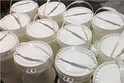
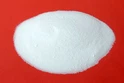
The adhesion of frosting glass powder to glass is a crucial aspect that directly impacts the quality and performance of frosted glass products. As a supplier of frosting glass powder, understanding this phenomenon is essential for providing high - quality products and meeting the diverse needs of our customers.
The Mechanism of Adhesion
The adhesion of frosting glass powder to glass involves several physical and chemical processes. Physically, the frosting glass powder particles adhere to the glass surface through mechanical interlocking. When the powder is applied to the glass, the irregular shapes of the powder particles fit into the microscopic pores and irregularities on the glass surface. This mechanical entanglement helps to keep the powder in place on the glass.
Chemically, there can be some reactions between the components of the frosting glass powder and the glass surface. Most frosting glass powders contain substances such as fluorides. Fluorides can react with the silica in the glass to form a layer of silicon fluoride compounds. This chemical reaction not only changes the surface properties of the glass but also enhances the bonding between the powder and the glass. The reaction can be represented by the following simplified chemical equation:
[SiO_{2}+4HF = SiF_{4}\uparrow+2H_{2}O]
In practical applications, hydrogen fluoride is usually generated in - situ from fluoride salts in the frosting glass powder. The silicon tetrafluoride gas escapes, leaving behind a rough and frosted surface on the glass. The by - products of these reactions can also contribute to the adhesion by creating a more stable interface between the powder and the glass.
Factors Affecting Adhesion
1. Surface Preparation of Glass
The cleanliness and roughness of the glass surface before applying the frosting glass powder significantly affect adhesion. A dirty or greasy glass surface will prevent the powder from adhering properly. Therefore, thorough cleaning of the glass is necessary. This can be achieved by using detergents, solvents, or mechanical cleaning methods. Additionally, a slightly roughened glass surface provides more sites for mechanical interlocking. For example, a glass surface that has been pre - etched or sand - blasted will generally have better adhesion with the frosting glass powder compared to a smooth, polished surface.
2. Composition of Frosting Glass Powder
The chemical composition of the frosting glass powder plays a vital role in adhesion. As mentioned earlier, fluoride - containing compounds are commonly used. The type and concentration of fluorides can affect the reaction rate and the extent of surface modification of the glass. Other additives in the powder, such as binders and stabilizers, can also enhance adhesion. Binders help to hold the powder particles together and improve their adhesion to the glass surface. Stabilizers can control the reaction process and prevent excessive etching, which could otherwise lead to poor adhesion.


3. Application Method
The way the frosting glass powder is applied to the glass also influences adhesion. There are several application methods, including spraying, brushing, and dipping. Spraying can provide a more uniform distribution of the powder on the glass surface, which is beneficial for adhesion. However, the spraying pressure and particle size distribution of the powder need to be carefully controlled. Brushing is a more manual method, which may result in uneven application but can be suitable for small - scale or detailed work. Dipping the glass into a suspension of frosting glass powder can ensure good contact between the powder and the glass, but the viscosity of the suspension and the immersion time need to be optimized.
Applications and the Importance of Adhesion
1. Decorative Glass Products
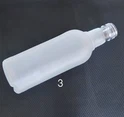
In the production of decorative glass products such as Vase Beautiful Glass Bottle, good adhesion of frosting glass powder is essential for creating long - lasting and aesthetically pleasing effects. Frosted glass vases with well - adhered powder have a smooth and uniform frosted appearance. The adhesion ensures that the frosted layer does not peel off or fade over time, maintaining the beauty of the product. Whether it is used in home decor or for special events, the durability of the frosted effect is a key factor for customer satisfaction.
2. Cosmetic and Packaging Glass
For Glass Water Bottle Cosmetic Container Plain Glass Frosting/ Etching Paste, adhesion of the frosting glass powder is crucial for both functional and aesthetic reasons. A well - adhered frosted layer can hide the contents of the container to some extent, which is often desired for cosmetic products. At the same time, it provides a smooth and comfortable grip. If the powder does not adhere properly, it may flake off during handling or storage, which can contaminate the product inside and damage the brand image.
3. Architectural Glass
In architectural applications, such as frosted glass partitions and windows, good adhesion is necessary for safety and durability. Frosted glass with strong powder adhesion can withstand environmental factors such as temperature changes, humidity, and mechanical stress. It ensures that the frosted layer remains intact, providing privacy and aesthetic appeal to the building interior or exterior.
Testing Adhesion
To ensure the quality of our frosting glass powder, we conduct various adhesion tests. One common method is the tape test. A piece of adhesive tape is applied firmly to the frosted glass surface and then quickly peeled off. If a large amount of powder comes off with the tape, it indicates poor adhesion. Another method is the abrasion test, where the frosted glass surface is subjected to a controlled amount of abrasion using a standardized abrasive material. The amount of powder removed during abrasion is measured to evaluate adhesion.
Our Product Advantages
As a supplier of frosting glass powder, we are committed to providing products with excellent adhesion. Our research and development team continuously optimizes the composition of the powder to enhance its adhesion properties. We use high - quality raw materials and advanced manufacturing processes to ensure the consistency and quality of our products.
We also offer technical support to our customers. We can help them with glass surface preparation, application methods, and troubleshooting adhesion problems. Our goal is to ensure that our customers can achieve the best results in their frosted glass production.
Conclusion
The adhesion of frosting glass powder to glass is a complex but crucial phenomenon. It is affected by multiple factors, including surface preparation, powder composition, and application method. Good adhesion is essential for a wide range of applications, from decorative glass to architectural glass. As a reliable supplier of frosting glass powder, we are dedicated to providing high - quality products and professional support. If you are interested in our frosting glass powder or need more information about the adhesion and application of our products, please feel free to contact us for procurement and further discussions.
References
- Smith, J. "Fundamentals of Glass Chemistry." Elsevier, 2015.
- Johnson, A. "Surface Modification of Glass for Improved Adhesion." Journal of Glass Science, 2018, Vol. 35, pp. 45 - 52.
- Brown, C. "Application Techniques for Frosting Glass Powder." Glass Manufacturing Review, 2020, Vol. 42, pp. 67 - 73.