Hey there! As a supplier of chemical etching for glass, I've been getting a lot of questions lately about the best temperature for this process. It's a crucial factor that can make or break the quality of the etched glass, so I thought I'd share some insights based on my experience in the industry.
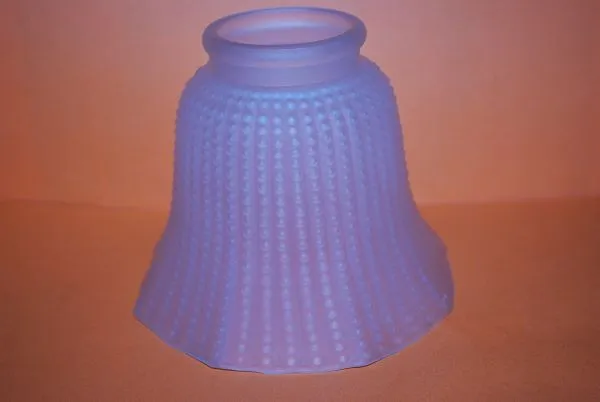

First off, let's understand what chemical etching for glass is all about. Chemical etching is a process where a glass surface is treated with chemicals to create a frosted or decorative effect. It's widely used in various industries, from architecture to art, and even in the production of glassware. The process involves applying a chemical solution to the glass surface, which reacts with the glass and removes a thin layer, resulting in the desired effect.
Now, let's talk about temperature. The temperature at which chemical etching is carried out plays a significant role in the outcome of the process. It affects the reaction rate between the chemicals and the glass, as well as the quality and consistency of the etched surface.
Low Temperatures
At lower temperatures, the chemical reaction between the etching solution and the glass slows down. This can be beneficial in some cases, especially when you're looking for a more controlled and precise etching effect. For instance, if you're working on a detailed design or a delicate glass piece, a lower temperature can give you more time to work and ensure that the etching doesn't go too deep or too fast.
However, there are also some drawbacks to using low temperatures. The slower reaction rate means that the etching process takes longer, which can be a problem if you're working on a large project with a tight deadline. Additionally, at very low temperatures, the chemicals may not react effectively with the glass, resulting in an uneven or incomplete etching.
High Temperatures
On the other hand, higher temperatures can speed up the chemical reaction. This can be great if you need to etch a large surface area quickly. The faster reaction rate also means that the etching process is more efficient, which can save you time and money in the long run.
But high temperatures also come with their own set of challenges. The rapid reaction can make it difficult to control the etching process, leading to over - etching or an inconsistent surface finish. High temperatures can also cause the etching solution to evaporate more quickly, which can change the concentration of the chemicals and affect the quality of the etching.
The Optimal Temperature Range
Based on my experience, the optimal temperature range for chemical etching of glass is typically between 20°C and 30°C (68°F and 86°F). This range provides a good balance between reaction rate and control. At these temperatures, the chemicals react with the glass at a reasonable pace, allowing for a relatively quick etching process while still giving you enough time to ensure a high - quality finish.
In this temperature range, the etching solution remains stable, and the reaction is consistent across the glass surface. You're less likely to encounter issues like over - etching or uneven etching, which can be a real headache in the production process.
Factors Affecting the Ideal Temperature
Of course, the ideal temperature can vary depending on several factors. The type of glass you're working with is one of the most important factors. Different types of glass have different chemical compositions, which can affect how they react to the etching solution at different temperatures. For example, borosilicate glass is more resistant to chemical etching than soda - lime glass, so you may need to adjust the temperature accordingly.
The type of chemicals used in the etching process also matters. Some chemicals are more sensitive to temperature changes than others. For more information on the chemicals used for glass etching, you can check out Chemical Used for Glass Etching.
The concentration of the etching solution is another factor. A more concentrated solution may react more quickly, so you might need to lower the temperature slightly to maintain control. Conversely, a less concentrated solution may require a slightly higher temperature to achieve the desired etching effect.
Testing and Adjusting
Given these variables, it's always a good idea to do some test runs before starting a large - scale project. Take a small piece of the same type of glass you'll be using and try etching it at different temperatures within the recommended range. This will help you determine the optimal temperature for your specific project.
You can also adjust the temperature during the etching process if you notice any issues. If the etching is going too slowly, you can raise the temperature slightly. If it's going too fast or the surface finish is uneven, you can lower the temperature.
Our Products and Their Temperature Requirements
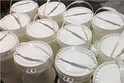
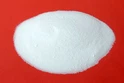
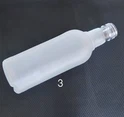
As a supplier, we offer a range of products for glass etching, including Satinal Substance for Glass Etching and YK Glass Frosting Powder For Glass Bottles. Each of these products has its own recommended temperature range for optimal performance.
Our Satinal Substance for Glass Etching works best at around 22 - 25°C (71.6 - 77°F). At this temperature, it provides a smooth and consistent frosted effect on the glass surface. The YK Glass Frosting Powder, on the other hand, is designed to be used at a slightly higher temperature, around 25 - 28°C (77 - 82.4°F), to achieve the best results on glass bottles.
Conclusion
In conclusion, finding the best temperature for chemical etching of glass is a balancing act. It depends on various factors such as the type of glass, the chemicals used, and the desired etching effect. The general range of 20 - 30°C (68 - 86°F) is a good starting point, but you'll likely need to do some testing and adjustments to get the perfect temperature for your specific project.
If you're in the market for high - quality glass etching products and need more advice on the best temperature for your application, don't hesitate to reach out. We're here to help you achieve the best results in your glass etching projects. Whether you're a small - scale artist or a large - scale manufacturer, we have the products and expertise to meet your needs. Contact us today to discuss your requirements and start your next glass etching project with confidence.
References
- Glass Etching Handbook, Industry Publication
- Research Papers on Chemical Reactions with Glass Surfaces