Hey there, fellow glass enthusiasts! As a supplier of top - notch glass etching powder, I get asked a lot about the best time of day to use glass etching powder. It's not a one - size - fits - all answer, so let's dive right in and explore this topic.
Understanding Glass Etching Powder
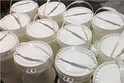
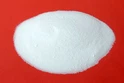
Before we talk about the best time, let's quickly go over what glass etching powder is. We offer a variety of high - quality products like YK-I Glass Etching Powder, SATINAL MATERIAL FOR FROSTED GLASS PRODUCTION, and Environmentally Friendly Etching Powder. These powders work by chemically reacting with the surface of the glass, creating a frosted or etched effect. The reaction is influenced by several factors, including temperature, humidity, and light.
Morning: A Fresh Start
Mornings can be a great time to use glass etching powder, especially in the summer. The air is usually cooler and less humid compared to the afternoon. This cooler temperature can slow down the chemical reaction slightly, giving you more control over the etching process. If you're working on a detailed design, the slower reaction time can be a real advantage. You can take your time to apply the powder evenly and make sure the design comes out just right.
Also, the natural light in the morning is soft and even. This is perfect for inspecting your work as you go. You can easily see if the powder is being applied evenly and if the etching is progressing as expected. However, if it's a particularly cold morning, you might need to warm up your workspace a bit. Cold glass can cause the powder to react more slowly, and in extreme cases, it might even affect the quality of the etching.
Afternoon: The Heat Factor
Afternoons, especially on sunny days, can bring some challenges and opportunities. The higher temperature can speed up the chemical reaction. If you're in a hurry to finish a project, this can be a good thing. The etching process will be faster, and you can complete your work more quickly. But be careful! The increased heat can also make the reaction too fast. If you're not experienced, you might end up with an over - etched or uneven surface.
Another thing to consider is the sunlight. Direct sunlight can cause the glass to heat up unevenly, which can lead to inconsistent etching. If you're working outdoors or near a window, try to find a shaded area or use a diffuser to block the direct sunlight. On the positive side, if you're using an environmentally friendly etching powder, the increased heat can sometimes enhance the eco - friendly properties of the powder, as the reaction might be more efficient.
Evening: A Calm Time
Evenings can be a peaceful time to work with glass etching powder. The temperature starts to drop, and the humidity might increase slightly. This can create a balance between the fast reaction of the afternoon and the slow reaction of the morning. You get a reasonable amount of control over the process, and the work environment is usually quiet. You can focus on your project without distractions.
However, the lighting can be an issue. You'll need to rely on artificial light, and not all types of lighting are suitable. Harsh fluorescent lights can cast shadows and make it difficult to see the details of your work. Invest in some good quality, soft - white LED lights to ensure you can see what you're doing clearly.
Night: A Special Option
Working at night is a bit of a niche choice, but it has its perks. The temperature is usually stable, and there are no distractions from the outside world. You can create a controlled environment with the right lighting and temperature. If you're using a powder that is sensitive to light, working at night can be ideal. You can use blackout curtains to block any external light sources and have complete control over the lighting conditions in your workspace.
But keep in mind that working at night can be tiring. Your eyes might get strained from looking at the glass for long periods under artificial light. Make sure to take regular breaks and give your eyes a rest.
Other Factors to Consider
It's not just about the time of day. The season also plays a big role. In the winter, the cold and dry air can slow down the reaction significantly. You might need to use a heater to keep your workspace warm. In the rainy season, the high humidity can affect the powder's performance. You might need to use a dehumidifier to keep the air dry.


Your workspace also matters. If you're working in a small, enclosed space, the temperature and humidity can change quickly. Make sure your workspace is well - ventilated to prevent the build - up of fumes from the powder. And always wear protective gear, like gloves and a mask, to avoid any health risks.
Conclusion
So, what's the best time of day to use glass etching powder? Well, it depends on your project, your experience level, and the environmental conditions. Mornings are great for detailed work and when you want more control. Afternoons can be good for quick projects if you can manage the heat. Evenings offer a balance, and nights can be ideal for light - sensitive powders.
If you're interested in our glass etching powders, whether it's the YK-I Glass Etching Powder, SATINAL MATERIAL FOR FROSTED GLASS PRODUCTION, or Environmentally Friendly Etching Powder, feel free to reach out for more information or to discuss your specific needs. We're here to help you achieve the best results with your glass etching projects.
References
- Glass Etching Handbook: A Comprehensive Guide to Glass Etching Techniques
- Chemical Reactions in Glass Etching: Understanding the Science Behind the Art