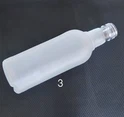
Hey there! As a supplier of glass etching powder, I often get asked if it's possible to use our product to create a frosted effect on glass. The short answer is yes, you definitely can! In this blog post, I'll dive into the details of using glass etching powder for that frosty look, how it works, and what you need to know to get great results.
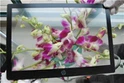
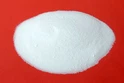
First off, let's talk about what glass etching powder is and how it creates that frosted effect. Glass etching powder is a chemical compound that, when mixed with water, forms a solution that can react with the surface of the glass. When this solution comes into contact with glass, it chemically eats away at the top layer of the glass, creating tiny pits and irregularities on the surface. These microscopic imperfections scatter light as it passes through the glass, giving it that characteristic frosted, opaque appearance.
Now, you might be wondering how easy it is to use glass etching powder to achieve this frosted look. Well, it's actually pretty straightforward, but like any DIY project, it does require a bit of preparation and care. The first step is to gather all the materials you'll need. You can find a comprehensive list of Materials Needed for Glass Etching.
Typically, besides the glass etching powder itself, you'll need water to mix the powder into a paste or solution, a brush or applicator to apply the mixture to the glass, masking tape to protect the areas of the glass you don't want to etch, and some safety gear like gloves and goggles. Safety is super important when working with glass etching powder because it's a chemical substance. Make sure you're working in a well - ventilated area to avoid inhaling any fumes.
Once you've got all your materials ready, the next step is to prepare the glass. Clean the glass thoroughly to remove any dirt, grease, or fingerprints. A clean surface ensures that the etching powder adheres properly and gives you an even frosted effect. You can use a glass cleaner and a lint - free cloth for this. After cleaning, dry the glass completely.
Now it's time to create the etching solution. Follow the instructions on the packaging of the glass etching powder carefully. Usually, you'll mix a certain amount of powder with water to form a thick paste. Stir the mixture well until there are no lumps. Remember, the consistency of the paste can affect the final result. If it's too thin, it might run, and if it's too thick, it could be difficult to apply evenly.
Before applying the etching paste to the entire glass surface, it's a good idea to do a test on a small, inconspicuous area. This allows you to see how the powder works on your specific type of glass and adjust the application method if needed. Once you're satisfied with the test, use masking tape to cover the areas of the glass that you want to keep clear. Press the tape down firmly to prevent the etching solution from seeping under it.
Now, using a brush or applicator, apply the etching paste to the exposed areas of the glass. Make sure to apply it evenly and in a thick enough layer to ensure a good frosted effect. You can work in small sections at a time to make the application easier. Let the paste sit on the glass for the recommended time, which is usually around 5 - 10 minutes, but this can vary depending on the product.


After the specified time has passed, rinse the glass thoroughly with water. Use a gentle stream of water to wash away the etching paste. You might need to use a soft brush to remove any stubborn residue. Once the glass is clean, dry it with a soft cloth. And there you have it! You should now have a beautifully frosted glass surface.
One of the great things about using glass etching powder is its versatility. You can create different patterns and designs on the glass. For example, you can cut out stencils from contact paper or use pre - made stencils. Place the stencil on the glass and apply the etching paste over it. When you remove the stencil, you'll be left with a unique, frosted design.
Another aspect to consider is the type of glass you're using. Different types of glass, such as tempered glass, annealed glass, or stained glass, may react differently to the etching powder. Tempered glass, for instance, is more difficult to etch because it's been heat - treated to make it stronger. It might require a longer etching time or a stronger solution, but it's still possible to achieve a frosted effect. You can find more information about the Material Used for Glass Etching to understand these differences better.
There are also various grades of glass etching powder available. Some are more aggressive and can etch the glass more deeply, creating a more opaque and frosted look. Others are milder and are better suited for more delicate designs or when you want a lighter frosted effect. As a supplier, I can help you choose the right grade of powder for your specific project.
If you're not a fan of the DIY approach, we also offer Chemical Glass Etching Solution, which is pre - mixed and ready to use. It's a convenient option if you want to skip the step of mixing the powder with water. However, the basic process of applying it to the glass and achieving a frosted effect is similar.
In conclusion, using glass etching powder to create a frosted effect on glass is a fun and rewarding DIY project. It allows you to add a personal touch to your glassware, windows, or other glass items. Whether you're looking to create a privacy screen for your bathroom window, a decorative piece for your home, or a unique gift, glass etching powder can help you achieve that professional - looking frosted finish.
If you're interested in purchasing glass etching powder or have any questions about using it, feel free to reach out. We're here to assist you with your glass - etching needs. Whether you're a professional artist, a DIY enthusiast, or just looking to spruce up your home, our high - quality glass etching powder can help you bring your creative ideas to life. Contact us today to start your glass - etching journey!
References
- General knowledge about glass etching processes and materials.
- Product information provided by glass etching powder manufacturers.