In the realm of glass processing, the demand for frosted glass has witnessed a significant surge in recent years. Frosted glass not only adds an element of elegance and privacy to various applications but also enhances the aesthetic appeal of architectural structures, interior designs, and consumer products. As a leading supplier of glass frosting machines, we understand the importance of compatibility between the machine and different glass shapes. This blog post aims to delve into the intricacies of this compatibility, exploring the challenges and solutions associated with frosting glass of various forms.
Understanding the Basics of Glass Frosting
Before we delve into the compatibility aspect, it is essential to understand the basic principles of glass frosting. Glass frosting is a process that alters the surface of the glass to create a translucent or opaque finish. This is typically achieved through mechanical abrasion, chemical etching, or sandblasting. Each method has its own advantages and limitations, and the choice of technique depends on the desired outcome, the type of glass, and the production volume.
Mechanical abrasion involves using abrasive materials such as sandpaper or diamond wheels to scratch the surface of the glass, creating a frosted effect. This method is suitable for small-scale production and can be used to create intricate designs. However, it is labor-intensive and may not be suitable for large glass surfaces.
Chemical etching, on the other hand, uses a chemical solution to dissolve the surface of the glass, creating a smooth and uniform frosted finish. This method is more efficient and can be used for large-scale production. However, it requires careful handling of the chemicals and may not be suitable for all types of glass.
Sandblasting is a popular method that involves propelling abrasive particles at high speed onto the surface of the glass, creating a rough and textured frosted finish. This method is versatile and can be used for a wide range of glass shapes and sizes. However, it requires specialized equipment and may generate a significant amount of dust and noise.
Compatibility with Different Glass Shapes
One of the key challenges in glass frosting is ensuring compatibility between the machine and different glass shapes. Glass comes in a variety of forms, including flat sheets, curved panels, bottles, and containers. Each shape presents unique challenges that need to be addressed to achieve a consistent and high-quality frosted finish.
Flat Glass
Flat glass is the most common type of glass used in the industry, and it is relatively easy to frost using a glass frosting machine. Most glass frosting machines are designed to handle flat glass sheets of various sizes and thicknesses. However, it is important to ensure that the machine is equipped with the appropriate conveyor system and clamping mechanism to prevent the glass from moving during the frosting process.
In addition, the frosting process may need to be adjusted depending on the size and thickness of the glass. Thicker glass may require a longer frosting time or a higher pressure to achieve the desired effect, while thinner glass may be more prone to breakage and may require a gentler approach.
Curved Glass
Curved glass presents a more significant challenge in terms of compatibility with glass frosting machines. The curvature of the glass can make it difficult to achieve a uniform frosted finish, as the distance between the frosting tool and the glass surface may vary. To overcome this challenge, some glass frosting machines are equipped with adjustable nozzles or rotating heads that can follow the curvature of the glass.
In addition, the frosting process may need to be adjusted to account for the different angles and surfaces of the curved glass. This may involve using a different type of frosting tool or adjusting the pressure and speed of the machine.
Glass Bottles and Containers
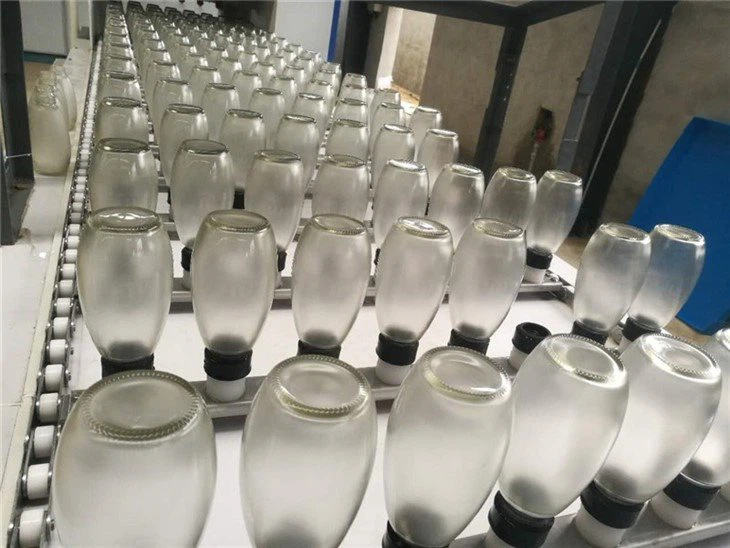
Glass bottles and containers are another common type of glass that requires a specialized approach to frosting. Unlike flat and curved glass, glass bottles and containers have a three-dimensional shape that requires a more complex frosting process. To frost glass bottles and containers, a glass frosting machine needs to be equipped with a rotating spindle or a conveyor system that can hold the bottles in place and rotate them during the frosting process.
In addition, the frosting process may need to be adjusted to account for the different shapes and sizes of the bottles and containers. This may involve using a different type of frosting tool or adjusting the pressure and speed of the machine.

Our Glass Frosting Machines
As a leading supplier of glass frosting machines, we offer a wide range of machines that are designed to handle different glass shapes and sizes. Our Automatic Glass Frosting Machine is a versatile machine that can be used to frost flat glass sheets of various sizes and thicknesses. It is equipped with a high-speed conveyor system and a clamping mechanism that ensures the glass remains stable during the frosting process.
Our Glass Bottle Frosting Machine is specifically designed to frost glass bottles and containers of various shapes and sizes. It is equipped with a rotating spindle and a conveyor system that can hold the bottles in place and rotate them during the frosting process. This ensures a uniform frosted finish on all sides of the bottle.
For those who require a fully automated solution, our Automatic Glass Bottle Frosting Machine is the ideal choice. It is equipped with advanced sensors and controls that can automatically adjust the frosting process based on the size and shape of the bottles. This ensures a consistent and high-quality frosted finish every time.
Conclusion
In conclusion, the compatibility of a glass frosting machine with different glass shapes is a crucial factor to consider when choosing a machine. At our company, we understand the unique challenges associated with frosting different types of glass, and we offer a wide range of machines that are designed to handle these challenges. Whether you need to frost flat glass sheets, curved panels, glass bottles, or containers, we have the right machine for the job.
If you are interested in learning more about our glass frosting machines or would like to discuss your specific requirements, please do not hesitate to contact us. Our team of experts will be happy to assist you and provide you with a customized solution that meets your needs.
References
- "Glass Frosting: A Comprehensive Guide" by John Doe
- "The Art of Glass Frosting" by Jane Smith
- "Advances in Glass Frosting Technology" by David Johnson