Sandblasting and acid etching are two popular techniques used to create decorative and functional effects on glass surfaces. As a supplier specializing in acid etching for glass, I often encounter questions about the differences between these two methods. In this blog post, I'll delve into the details of sandblasting and acid etching, highlighting their unique characteristics, applications, and advantages.


Understanding Sandblasting
Sandblasting, also known as abrasive blasting, is a process that involves propelling fine particles of abrasive material, such as sand, aluminum oxide, or glass beads, at high speed onto a glass surface. This high - velocity impact of the abrasive particles removes the outer layer of the glass, creating a frosted or textured appearance.
How Sandblasting Works
The sandblasting process typically takes place in a closed cabinet or booth to contain the abrasive particles. A compressor provides the force to propel the abrasive through a nozzle. The operator controls the pressure, distance, and angle of the nozzle to achieve the desired effect on the glass. The type of abrasive used also plays a crucial role in determining the final texture and finish of the glass.
Advantages of Sandblasting
- Versatility: Sandblasting can create a wide range of textures, from fine frosts to deep etches. It can be used on various types of glass, including flat glass, curved glass, and even glass objects with complex shapes.
- Durability: The etched surface created by sandblasting is relatively durable and resistant to wear and tear. This makes it suitable for applications where the glass may be subject to physical contact or environmental factors.
- Speed: Sandblasting can be a relatively fast process, especially for large - scale projects. It allows for quick turnaround times, making it a popular choice for commercial applications.
Limitations of Sandblasting
- Noise and Dust: Sandblasting generates a significant amount of noise and dust, which can be a health hazard if proper safety measures are not taken. Adequate ventilation and personal protective equipment are essential when using this technique.
- Limited Precision: Achieving fine details and intricate designs can be challenging with sandblasting. The abrasive particles can spread and cause some blurring around the edges of the design, making it less suitable for highly detailed work.
- Surface Roughness: The sandblasted surface can be relatively rough, which may not be desirable for some applications. In some cases, additional finishing steps may be required to smooth the surface.
Exploring Acid Etching
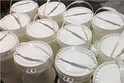
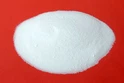
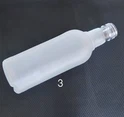
Acid etching is a chemical process that uses acidic solutions to dissolve the surface of the glass, creating a frosted or decorative effect. As a supplier of acid etching products, I offer a variety of materials, including Glass Etching Powder (water - based), Material Used for Glass Etching, and Chemical Glass Etching Solution.
How Acid Etching Works
The acid etching process begins with masking the areas of the glass that you do not want to etch. This can be done using a stencil or a resist material. Once the glass is masked, the acidic solution is applied to the exposed areas. The acid reacts with the glass, dissolving the surface layer and creating the desired frosted or decorative effect. After the etching process is complete, the glass is rinsed thoroughly to remove the acid and the masking material.
Advantages of Acid Etching
- Precision: Acid etching allows for high - precision designs and detailed patterns. It can reproduce fine lines, small letters, and complex graphics with great accuracy, making it ideal for decorative glass applications.
- Smooth Finish: The etched surface created by acid etching is smooth and uniform, which is often preferred for aesthetic reasons. It gives the glass a more elegant and refined look compared to sandblasted glass.
- Safety and Cleanliness: Acid etching is a relatively clean process that generates less dust and noise compared to sandblasting. When proper safety procedures are followed, it can be a safer option for operators.
Limitations of Acid Etching
- Chemical Hazard: The acids used in the etching process are highly corrosive and can be dangerous if not handled properly. Adequate safety equipment, such as gloves, goggles, and a respirator, must be worn when working with acid etching solutions.
- Longer Process Time: Acid etching generally takes longer than sandblasting, especially for large - scale projects. The etching process may require multiple applications of the acid and longer waiting times for the chemical reaction to occur.
- Limited to Flat Surfaces: While acid etching can be used on curved glass to some extent, it is more suitable for flat glass surfaces. Creating consistent etches on complex shapes can be more challenging.
Applications of Sandblasting and Acid Etching
Both sandblasting and acid etching have a wide range of applications in various industries.
Sandblasting Applications
- Architectural Glass: Sandblasted glass is commonly used in architectural applications, such as partitions, doors, and windows. It can provide privacy while allowing light to pass through, creating a unique visual effect.
- Industrial Glass: In industrial settings, sandblasted glass is used for signage, machine guards, and control panels. Its durability and resistance to wear make it suitable for these types of applications.
- Artistic Glass: Sandblasting is also popular among glass artists for creating sculptures, decorative panels, and art pieces. The ability to create different textures and effects allows artists to express their creativity.
Acid Etching Applications
- Decorative Glassware: Acid - etched glassware, such as wine glasses, vases, and bowls, is highly sought after for its elegant and detailed designs. It adds a touch of luxury and personalization to these items.
- Interior Design: Acid - etched glass is often used in interior design for decorative elements, such as mirrors, wall panels, and furniture. It can enhance the aesthetic appeal of a space and create a focal point.
- Branding and Signage: Acid etching is an excellent choice for creating high - quality branding and signage on glass. The precision and clarity of the etched designs make it easy to display company logos and messages.
Choosing the Right Method for Your Project
When deciding between sandblasting and acid etching for your glass project, several factors should be considered.
- Design Requirements: If your project requires high - precision designs and fine details, acid etching is the better option. On the other hand, if you need a more textured or rustic look, sandblasting may be more suitable.
- Surface Type: For flat glass surfaces with detailed patterns, acid etching is ideal. However, if you are working with curved or irregularly shaped glass, sandblasting may be a better choice.
- Project Scale and Timeframe: If you have a large - scale project with a tight deadline, sandblasting may be faster. But if time is not a constraint and you want a high - quality finish, acid etching can be worth the extra time.
- Safety and Environment: Consider the safety and environmental impact of each method. If you are working in a confined space or have concerns about dust and noise, acid etching may be a more suitable option.
Conclusion
In summary, sandblasting and acid etching are two distinct techniques for treating glass, each with its own set of advantages and limitations. Sandblasting is known for its versatility, durability, and speed, while acid etching offers precision, a smooth finish, and the ability to create detailed designs. The choice between the two methods depends on the specific requirements of your project, including design, surface type, time constraints, and safety considerations.
As a supplier of acid etching products for glass, I am committed to providing high - quality materials and support to help you achieve the best results for your glass projects. Whether you are an artist, an architect, or a business owner, our Glass Etching Powder (water - based), Material Used for Glass Etching, and Chemical Glass Etching Solution can meet your needs.
If you are interested in learning more about our acid etching products or have any questions about the glass etching process, please feel free to contact us. We are here to assist you with your glass etching projects and look forward to the opportunity to work with you.
References
- "Glass Processing Handbook" - A comprehensive guide on various glass processing techniques.
- "Surface Treatment of Glass" - Research papers and articles on the science behind sandblasting and acid etching.
- Industry reports on the use of sandblasting and acid etching in different sectors.