As a supplier of ordinary glass frosting powder, I've received numerous inquiries about the durability of the frosting effect it creates. In this blog, I'll delve into the factors influencing the durability of the frosting effect, share insights based on our experience, and provide some practical tips for maximizing its longevity.
Understanding the Frosting Process
Before discussing durability, it's essential to understand how ordinary glass frosting powder works. When the powder is mixed with water or other solvents and applied to the glass surface, it chemically reacts with the glass, etching it to create a frosted appearance. This process changes the surface properties of the glass, making it less transparent and more diffusive of light.
The frosting effect can vary in terms of its appearance, from a fine, satin - like finish to a more coarse, sand - blasted look, depending on the type of frosting powder used, the application method, and the concentration of the mixture.
Factors Affecting the Durability of the Frosting Effect
1. Quality of the Frosting Powder
The quality of the glass frosting powder is a fundamental factor. High - quality powders are formulated with the right chemical components that ensure a strong and long - lasting bond with the glass surface. Inferior powders may not etch the glass evenly or may not form a stable chemical reaction, leading to a less durable frosting effect. For example, some low - quality powders may leave behind residues that can wear off over time, causing the frosting to fade or become patchy.
2. Application Method
The way the frosting powder is applied to the glass also plays a crucial role. If the mixture is not applied evenly, some areas of the glass may have a weaker frosting effect. Inadequate application can result in the frosting being more susceptible to damage from abrasion, chemicals, or environmental factors. A proper application involves cleaning the glass surface thoroughly before applying the frosting mixture, using the correct tools (such as brushes or sprayers), and allowing sufficient time for the chemical reaction to occur.
3. Glass Type
Different types of glass have different chemical compositions and surface properties, which can affect the durability of the frosting effect. For instance, tempered glass has a different internal structure compared to regular float glass. The frosting process on tempered glass may require special considerations because of its higher strength and stress distribution. Some types of glass may also have a protective coating on the surface, which needs to be removed before frosting to ensure a proper bond.
4. Environmental Conditions
The environment in which the frosted glass is placed can have a significant impact on the durability of the frosting effect. Exposure to high humidity, extreme temperatures, or harsh chemicals can accelerate the degradation of the frosting. For example, in a bathroom where there is constant exposure to water vapor and cleaning agents, the frosting may wear off more quickly compared to a glass object placed in a dry, indoor environment.
Measuring the Durability of the Frosting Effect
To assess the durability of the frosting effect, several methods can be used. One common approach is to conduct abrasion tests. These tests involve rubbing the frosted glass surface with a standardized abrasive material for a certain number of cycles and then evaluating the change in the frosting appearance. Another method is to expose the frosted glass to different environmental conditions, such as high humidity or chemical solutions, and observe how the frosting changes over time.
In our experience, a well - applied frosting effect created by high - quality ordinary glass frosting powder can last for several years under normal indoor conditions. However, in more demanding environments, the lifespan may be reduced.
Applications and Their Impact on Durability
The durability requirements of the frosting effect can vary depending on the application.
Decorative Glassware
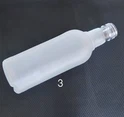
For decorative items like Satin Effect Glass Vase, the frosting effect is mainly for aesthetic purposes. These items are typically handled with care and kept in a relatively clean and dry environment. As a result, the frosting can last for a long time, often several years or even decades. However, if the glassware is frequently moved, washed, or comes into contact with sharp objects, the frosting may be more prone to damage.
Architectural Glass
In architectural applications, such as frosted glass partitions or windows, the frosting needs to withstand more wear and tear. These glasses are exposed to environmental factors like wind, rain, and sunlight, as well as human contact. The durability of the frosting in these cases is crucial to maintain the aesthetic and functional integrity of the building. Special considerations need to be taken during the frosting process to ensure that the effect can last for the expected lifespan of the building, which could be several decades.
Industrial Glass
Industrial glass applications, such as in chemical plants or manufacturing facilities, require a highly durable frosting effect. The glass may be exposed to harsh chemicals, high temperatures, and mechanical stress. In these situations, the frosting powder needs to be carefully selected and the application process needs to be optimized to ensure that the frosting can withstand the extreme conditions.
Tips for Maximizing the Durability of the Frosting Effect
1. Choose High - Quality Frosting Powder
Invest in high - quality ordinary glass frosting powder from a reputable supplier. High - quality powders are more likely to create a durable and long - lasting frosting effect.
2. Follow Proper Application Procedures
Clean the glass surface thoroughly before applying the frosting mixture. Use the correct tools and follow the manufacturer's instructions for mixing and applying the powder. Allow sufficient time for the chemical reaction to complete.
3. Protect the Frosted Glass
Once the frosting is applied, take steps to protect the glass from damage. Avoid using abrasive cleaners or sharp objects on the frosted surface. In areas where the glass is likely to be exposed to chemicals, consider using a protective coating.
4. Regular Maintenance
Regularly clean the frosted glass with a mild, non - abrasive cleaner. This helps to remove dirt and debris that could potentially damage the frosting over time.
Conclusion
The durability of the frosting effect created by ordinary glass frosting powder depends on a variety of factors, including the quality of the powder, the application method, the type of glass, and the environmental conditions. By understanding these factors and taking appropriate measures, it is possible to achieve a long - lasting and high - quality frosting effect.

If you are interested in our ordinary glass frosting powder and want to discuss how it can meet your specific needs, whether for creating Satin Chemical For AG Glass Production or Oil Sand Effect Colored Glass Vases, please feel free to contact us for a detailed discussion and procurement negotiation.
References
- "Glass Science and Technology" - A comprehensive textbook on the properties and applications of glass.
- Industry reports on glass frosting materials and their performance.
- Internal research and testing data from our company on the durability of glass frosting effects.