As a supplier of Etching Powder For Glass, I often get asked about the shelf-life of our product. Understanding the shelf-life of etching powder for glass is crucial for both suppliers like us and customers who rely on these products for their projects. In this blog post, I'll delve into the factors that influence the shelf-life of glass etching powder, how to determine if it's still usable, and best practices for storage to maximize its lifespan.
What is Glass Etching Powder?
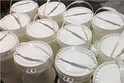
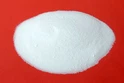
Before we discuss the shelf-life, let's briefly understand what glass etching powder is. Glass etching powder is a chemical compound used to create a frosted or decorative effect on glass surfaces. It typically contains substances like hydrofluoric acid salts, which react with the glass to etch its surface. The powder is mixed with water to form a paste or solution, which is then applied to the glass using a brush or other applicators. Our Etching Powder for Glass is formulated to provide a consistent and high-quality etching result, suitable for a variety of glass applications, from artistic projects to industrial uses.
Factors Affecting the Shelf-Life of Glass Etching Powder
The shelf-life of glass etching powder can vary depending on several factors. Here are some of the key elements that influence how long the powder remains effective:


Chemical Composition
The chemical composition of the etching powder plays a significant role in determining its shelf-life. Some chemicals are more stable than others and can withstand the test of time better. For example, powders containing highly reactive substances may have a shorter shelf-life as they are more prone to degradation over time. Our Glass Etching Chemical is carefully formulated to ensure a good balance between reactivity and stability, which helps to extend its shelf-life.
Storage Conditions
Proper storage is essential for maintaining the quality of glass etching powder. Exposure to moisture, heat, and sunlight can accelerate the degradation process. Etching powder should be stored in a cool, dry place away from direct sunlight. Airtight containers are also recommended to prevent moisture from getting in and causing the powder to clump or react prematurely. If the powder is stored in a humid environment, it may absorb water vapor, leading to chemical reactions that can reduce its effectiveness.
Packaging
The type of packaging used for the etching powder can also impact its shelf-life. High-quality, sealed packaging helps to protect the powder from external factors such as air, moisture, and contaminants. Our products are packaged in durable, airtight containers to ensure maximum protection during storage and transportation. This helps to maintain the integrity of the powder and extend its shelf-life.
Determining the Shelf-Life of Glass Etching Powder
While there is no one-size-fits-all answer to how long glass etching powder lasts, most manufacturers provide an estimated shelf-life on the product label. This estimate is based on ideal storage conditions and can serve as a general guideline. However, it's important to note that the actual shelf-life may vary depending on the factors mentioned above.
One way to determine if the etching powder is still usable is to perform a small test. Mix a small amount of the powder with water according to the instructions and apply it to a scrap piece of glass. If the powder etches the glass as expected, it is likely still effective. However, if the etching is inconsistent or weak, it may be a sign that the powder has degraded and is no longer suitable for use.
Maximizing the Shelf-Life of Glass Etching Powder
To get the most out of your glass etching powder and ensure it remains effective for as long as possible, follow these best practices:
Store in a Cool, Dry Place
As mentioned earlier, storing the powder in a cool, dry environment is crucial. A temperature-controlled storage area, such as a pantry or a storage cabinet, is ideal. Avoid storing the powder in areas prone to high humidity, such as basements or bathrooms.
Keep the Container Sealed
Always make sure the container is tightly sealed after each use. This helps to prevent air and moisture from entering and causing the powder to degrade. If the original container is damaged, transfer the powder to a new, airtight container.
Avoid Contamination
Keep the powder away from contaminants such as dirt, dust, and other chemicals. Use clean utensils when handling the powder to prevent cross-contamination.
Our Product's Shelf-Life
At our company, we take pride in providing high-quality Etching Powder for Glass with a reasonable shelf-life. Under ideal storage conditions, our etching powder typically has a shelf-life of [X] years. However, we always recommend performing a test before using the powder, especially if it has been stored for an extended period.
Conclusion
In conclusion, the shelf-life of glass etching powder is influenced by various factors, including chemical composition, storage conditions, and packaging. By understanding these factors and following best practices for storage, you can maximize the lifespan of your etching powder and ensure consistent, high-quality results. If you have any questions about the shelf-life of our products or need further advice on glass etching, please don't hesitate to contact us. We are here to help you with all your glass etching needs. Whether you're a professional glass artist or a DIY enthusiast, our Etching Powder for Glass and Satinal Substance for Glass Etching are designed to meet your requirements.
If you're interested in purchasing our glass etching products, we invite you to reach out to us for a detailed discussion. We can provide you with more information about our product range, pricing, and delivery options. Let's work together to bring your glass etching projects to life!
References
- "Chemistry of Glass Etching," Journal of Chemical Education
- "Best Practices for Storing Chemical Powders," Industrial Chemical Storage Handbook