Hey there! As a supplier of Chemical Etching For Glass, I've been getting a lot of questions lately about the effect of chemical etching on the color of glass. So, I thought I'd write this blog to share some insights on this topic.
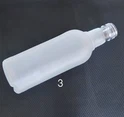
First off, let's talk about what chemical etching is. Chemical etching is a process that uses chemicals to remove the surface of the glass, creating a frosted or textured appearance. It's a popular technique for adding decorative elements to glass, like in windows, mirrors, and even glassware. But did you know that it can also have an impact on the color of the glass?
How Chemical Etching Affects Glass Color
The color change in glass due to chemical etching can be quite subtle or quite dramatic, depending on a few factors. One of the main factors is the type of chemicals used in the etching process. Different chemicals react with the glass in different ways, which can lead to changes in color.
For example, some etching chemicals contain substances that can react with the metal ions in the glass. These reactions can cause the glass to take on a slightly different hue. If there are iron ions in the glass, certain etching chemicals might cause the glass to develop a yellowish or brownish tint.
Another factor is the duration of the etching process. The longer the glass is exposed to the etching chemicals, the more pronounced the color change can be. A short etching time might only result in a very slight change in color, while a longer exposure could lead to a more noticeable shift.
The concentration of the etching chemicals also plays a role. Higher concentrations of chemicals can cause more significant color changes. A high - concentration etching solution might cause the glass to darken or develop a more intense color compared to a lower - concentration solution.
Types of Chemicals and Their Impact
There are several types of chemicals commonly used in glass etching, and each can have a different effect on the color of the glass.
Hydrofluoric Acid
Hydrofluoric acid is one of the most commonly used chemicals for glass etching. It's a very strong acid that can quickly etch the surface of the glass. When using hydrofluoric acid, the color change is usually minimal. It mainly creates a frosted appearance on the glass without causing a major shift in color. However, if the glass has impurities or certain metal ions, there might be a very slight change in color. For example, if the glass has a small amount of copper ions, hydrofluoric acid might cause a very faint blue tint to appear.
Glass Etching Powders
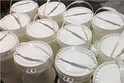
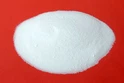
Glass Etching Powder is another popular option. These powders often contain a mixture of chemicals that react with the glass to create an etched effect. YK - I Glass Etching Powder is a great example. The chemicals in these powders can vary, but they generally don't cause a drastic color change. However, some powders might contain substances that can react with the glass to give it a slightly different color. Some powders might make the glass look a bit more milky or have a very faint opalescent quality.
Other Chemical Mixtures
There are also other chemical mixtures used for glass etching. Some of these mixtures might be formulated to create specific color effects. For example, there are mixtures that can be used to create a colored etched pattern on the glass. These mixtures usually contain pigments or dyes that are incorporated into the etching process. When the glass is etched with these mixtures, the color of the pigment or dye is left behind on the etched surface, giving the glass a unique colored design.
Factors to Consider for Color - Controlled Etching
If you're looking to control the color of the glass during the etching process, there are a few things you need to keep in mind.
Glass Composition
The composition of the glass is crucial. Different types of glass contain different amounts of metal ions and other impurities. Soda - lime glass, which is commonly used in windows and bottles, has a different chemical composition compared to borosilicate glass, which is often used in laboratory equipment. The type of glass will determine how it reacts with the etching chemicals and what kind of color change you can expect.
Pre - Treatment
Pre - treating the glass can also affect the color after etching. Cleaning the glass thoroughly before etching can remove any surface contaminants that might interfere with the etching process and color change. Sometimes, a pre - treatment might involve applying a thin layer of a chemical that can prevent certain color - changing reactions from occurring.
Post - Treatment
After the etching process, post - treatment can be used to further modify the color of the glass. You could apply a clear coat or a colored glaze to the etched glass. A clear coat can protect the etched surface and might also enhance the color slightly by adding a glossy finish. A colored glaze can completely change the appearance of the etched glass, allowing you to achieve a specific color or design.
Applications Based on Color Changes
The color changes caused by chemical etching can be used in a variety of applications.
Decorative Glassware
In the world of decorative glassware, the subtle color changes from chemical etching can add a unique touch. A wine glass with a slightly tinted etched pattern can look much more elegant and sophisticated compared to a plain glass. Artisans can use the color - changing properties of etching to create one - of - a - kind pieces that stand out.
Architectural Glass
In architecture, chemical etching with controlled color changes can be used to create privacy glass with a decorative element. A building's windows could have an etched pattern with a slight color tint, providing privacy while also adding an aesthetic appeal to the building's exterior.
Art Installations
Artists often use chemical etching to create large - scale art installations. The ability to control the color of the glass through etching allows them to create more dynamic and visually interesting pieces. An art installation made of etched glass with different color tints can create a stunning visual effect when light passes through it.
As a Supplier, What We Offer
As a supplier of Etching Glass Materials, we understand the importance of providing high - quality products that can give you the desired results when it comes to glass etching and color control.


We offer a wide range of etching chemicals and powders, including YK - I Glass Etching Powder and other Glass Etching Powder options. Our products are carefully formulated to ensure consistent and reliable results. Whether you're looking for a minimal color change or a more dramatic color effect, we have the right products for you.
We also provide technical support to our customers. If you have any questions about how to achieve a specific color change during the etching process, our team is here to help. We can offer advice on the type of chemicals to use, the appropriate concentration, and the duration of the etching process.
Contact Us for Procurement
If you're interested in purchasing our chemical etching products for your glass projects, we'd love to hear from you. Whether you're a small - scale artisan or a large - scale manufacturer, we can provide you with the right materials and support. Contact us to start a procurement discussion, and let's work together to create amazing glass products with the perfect color and etched finish.
References
- "Glass Science and Technology" by D. R. Uhlmann and N. J. Kreidl
- "Handbook of Glass Etching" by various authors in the field of glass technology
- Research papers on glass etching from scientific journals such as the Journal of Non - Crystalline Solids.