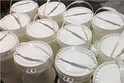
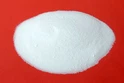
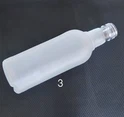
Hey there! As a supplier of Cosmetic Glass Frosting Powder, I've gotten tons of questions about the different application methods. One of the most common queries is about the difference between wet and dry application of our powder. So, I thought I'd break it down for you in this blog post.
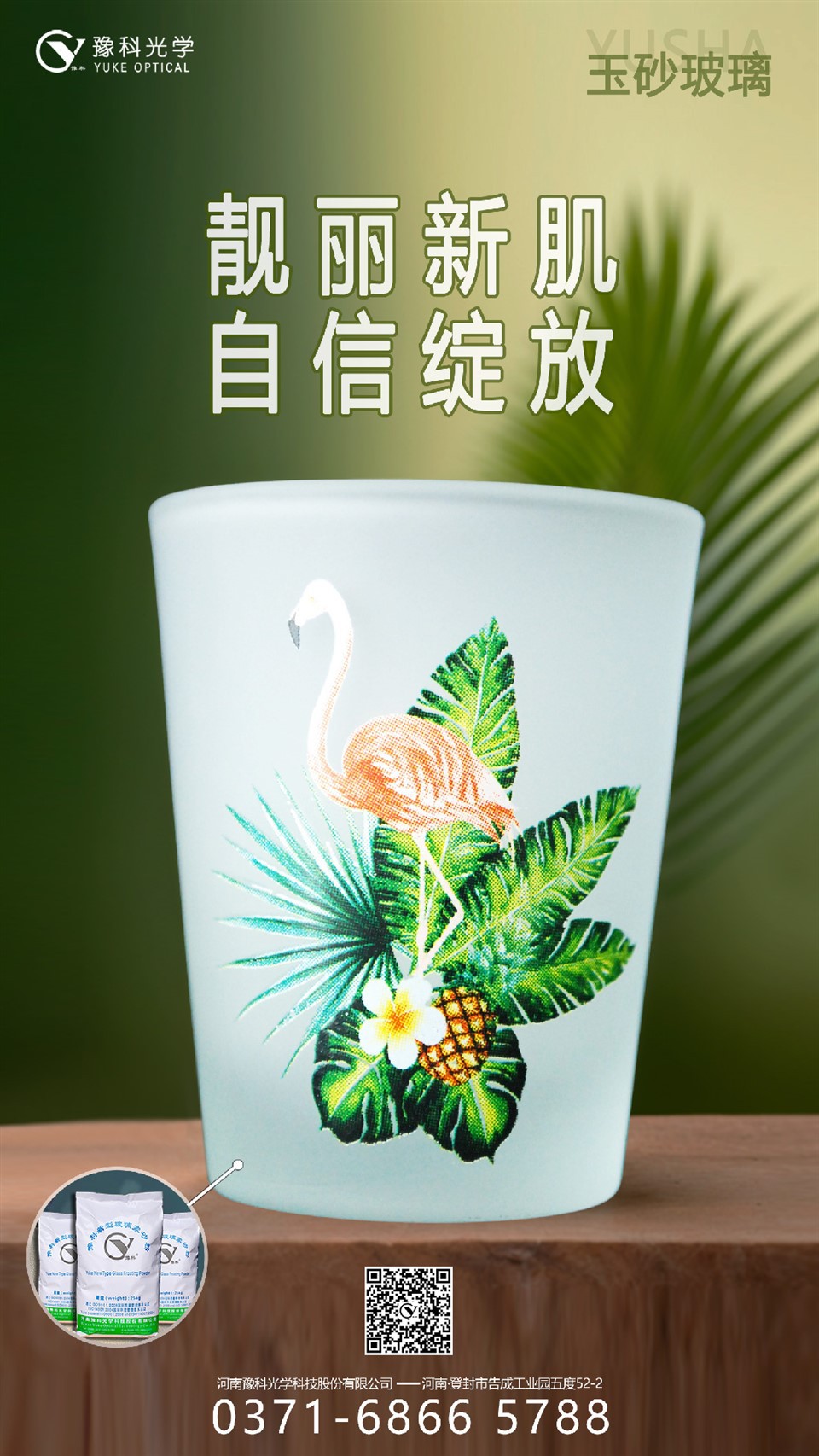

Wet Application of Cosmetic Glass Frosting Powder
Let's start with the wet application. This method involves mixing the frosting powder with water or a specific liquid medium to create a paste-like consistency. It's like making a cake batter, but instead of baking a cake, you're going to transform the look of your glass.
How it Works
When you use the wet method, the liquid helps the powder to spread evenly over the glass surface. It's easier to control the thickness of the frosting layer because you can adjust the amount of liquid you add to the powder. You can use a brush, sponge, or even a spray gun to apply the wet mixture onto the glass.
Advantages
- Even Coverage: The wet application usually results in a more uniform and smooth finish. The liquid helps the powder to adhere well to the glass, reducing the chances of streaks or uneven patches. This is great for creating a professional-looking satin finish on cosmetic glass containers, like Satin Effect Moulded Glass.
- Customizable Thickness: You can easily adjust the thickness of the frosting by changing the ratio of powder to liquid. If you want a more opaque and dense frosting, you can add less liquid. For a lighter, more translucent effect, add more liquid.
- Good for Detailed Work: If you're looking to create intricate designs or patterns on the glass, the wet method is your best bet. You can use stencils or masking tape to create sharp edges and precise shapes. For example, you can create a Tea Cup Water Bottle Artistic Flower Pattern with great detail using the wet application.
Disadvantages
- Longer Drying Time: One of the biggest drawbacks of the wet method is the drying time. Depending on the humidity and temperature, it can take anywhere from a few hours to a full day for the frosting to dry completely. This can slow down your production process if you're working on a large batch of glass items.
- Messy: Working with a wet mixture can be a bit messy. You need to be careful not to spill the mixture, and you'll also have to clean up any excess liquid after the application.
Dry Application of Cosmetic Glass Frosting Powder
Now, let's talk about the dry application. This method involves applying the powder directly onto the glass surface without any liquid. It's a quicker and more straightforward process, but it has its own set of pros and cons.
How it Works
With the dry application, you can use a powder puff, a dry brush, or a powder sprayer to apply the frosting powder to the glass. You simply dust the powder onto the surface and then use a soft cloth or a buffing pad to rub it in and create the desired effect.
Advantages
- Quick and Easy: The dry method is much faster than the wet method. There's no need to wait for the mixture to dry, so you can finish the frosting process in a matter of minutes. This is ideal for small-scale projects or when you need to make quick changes to the glass appearance.
- Less Mess: Since there's no liquid involved, there's less mess to clean up. You don't have to worry about spills or cleaning brushes and sponges.
- Good for Large Areas: If you're working on a large glass surface, like a big cosmetic glass display case, the dry application can be more efficient. You can cover a large area quickly without having to worry about the mixture drying unevenly.
Disadvantages
- Uneven Coverage: Achieving an even finish with the dry method can be a bit challenging. The powder may not adhere as well to the glass as a wet mixture, resulting in a patchy or streaky appearance. You may need to apply multiple layers of powder and spend more time buffing to get a smooth finish.
- Limited Customization: It's harder to control the thickness and opacity of the frosting with the dry method. You're basically relying on the amount of powder you apply and how much you buff it in. This can make it difficult to create very precise or detailed designs.
Which Method Should You Choose?
So, which application method is better? Well, it really depends on your specific needs and preferences. If you're looking for a high-quality, professional finish with even coverage and detailed designs, the wet application is probably the way to go. However, if you're short on time and need a quick and easy solution for large areas or simple projects, the dry application might be more suitable.
As a Cosmetic Glass Frosting Powder supplier, I've seen customers use both methods successfully for different types of projects. For example, some cosmetic brands use the wet method to create a luxurious Satin Effect Glass Vase for their high-end perfume products, while others use the dry method for a more rustic or industrial look on their cosmetic jars.
Contact Us for Your Frosting Powder Needs
If you're interested in purchasing our Cosmetic Glass Frosting Powder or have any questions about the application methods, don't hesitate to reach out. We're here to help you choose the right product and method for your project. Whether you're a small business owner looking to add a unique touch to your cosmetic packaging or a large manufacturer in need of a reliable frosting solution, we've got you covered.
References
- Glass Frosting Techniques Handbook
- Cosmetic Packaging Design Magazine