Long - term exposure to sunlight can have various effects on glass etched with different materials. As a supplier of Glass Etching Materials, I've witnessed firsthand how sunlight interacts with etched glass over time, and in this blog, I'll delve into the scientific aspects of these effects.
The Basics of Glass Etching and Sunlight Interaction
Glass etching is a process that modifies the surface of glass, creating a frosted or decorative appearance. When sunlight hits etched glass, it undergoes a series of physical and chemical interactions. Sunlight consists of different wavelengths, including ultraviolet (UV), visible, and infrared (IR) light. Each of these components can have a distinct impact on etched glass.

UV light is particularly known for its potential to cause chemical changes. Some glass etching materials may be sensitive to UV radiation. Over a long period, UV light can break down chemical bonds in the etching materials, leading to a change in the appearance of the etched glass. For example, certain pigments or additives in the etching materials might fade or discolor under prolonged UV exposure.
Visible light, on the other hand, is responsible for the way we perceive the etched glass. The frosted or textured surface created by the etching process scatters visible light, giving the glass its characteristic appearance. However, long - term exposure to intense visible light can also have an impact. In some cases, it can cause a slight change in the surface roughness of the etched glass, which may affect the way light is scattered and, consequently, the overall visual effect.
IR light is mainly associated with heat. When etched glass is exposed to sunlight, the absorption of IR light can cause the glass to heat up. This thermal expansion can put stress on the etched surface and the glass itself. If the glass and the etching materials have different coefficients of thermal expansion, it can lead to micro - cracks or delamination of the etching layer over time.
Effects on Different Types of Glass Etching Materials
Glass Etching Powder
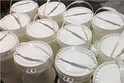
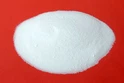
Glass Etching Powder is a commonly used material for glass etching. It typically contains chemicals that react with the glass surface to create a frosted effect. When exposed to sunlight for an extended period, the components of the etching powder can be affected.
Some glass etching powders may contain metal salts or other compounds that are sensitive to UV light. UV radiation can cause these compounds to oxidize or undergo other chemical reactions, which may result in a change in color or a loss of the frosted clarity. For example, if the powder contains iron salts, prolonged UV exposure can cause the formation of iron oxides, which may give the etched glass a yellowish or brownish tint.
The heat generated by IR light in sunlight can also affect glass etching powder. As the glass heats up, the powder residue on the surface may become more firmly adhered or may even start to undergo further chemical reactions. This can make the etched surface more difficult to clean and may also alter its appearance.
Ordinary Glass Etching Powder
Ordinary Glass Etching Powder usually has a more basic composition compared to specialized glass etching powders. It is often used for simple and cost - effective glass etching projects.
One of the main effects of long - term sunlight exposure on ordinary glass etching powder is the potential for loss of surface smoothness. The UV and visible light can gradually erode the etched surface, making it rougher. This can lead to a decrease in the light - scattering properties of the etched glass, resulting in a less uniform and less aesthetically pleasing appearance.
The heat from IR light can also cause the ordinary etching powder to become brittle. As the glass expands and contracts due to temperature changes, the brittle etching layer may crack or flake off, especially if the glass is subjected to mechanical stress or vibrations.

SATINAL MATERIAL FOR FROSTED GLASS PRODUCTION
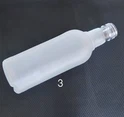
SATINAL MATERIAL FOR FROSTED GLASS PRODUCTION is designed to create a high - quality frosted finish on glass. It often contains a combination of chemicals that are carefully formulated to achieve a specific level of transparency and light diffusion.

Sunlight can have both positive and negative effects on glass etched with SATINAL material. On the positive side, the material is generally more resistant to UV degradation compared to some other etching materials. This means that the frosted appearance can remain relatively stable over a long period of sunlight exposure.
However, the heat from IR light can still pose a challenge. The SATINAL material and the glass substrate may have different thermal properties. Prolonged heating can cause the material to expand and contract at a different rate than the glass, leading to internal stress. Over time, this stress can result in the formation of small cracks or a loss of adhesion between the etching material and the glass.
Mitigating the Effects of Sunlight on Etched Glass
To minimize the negative effects of long - term sunlight exposure on etched glass, several strategies can be employed. One option is to use UV - resistant etching materials. These materials are formulated to withstand the damaging effects of UV radiation, reducing the risk of color fading and chemical degradation.
Another approach is to install protective coatings on the etched glass. These coatings can act as a barrier against UV light and reduce the amount of heat absorbed by the glass. For example, anti - reflective coatings can not only improve the optical properties of the glass but also provide some protection against sunlight.
Proper installation and maintenance of etched glass are also crucial. Ensuring that the glass is installed in a location where it is not exposed to direct sunlight for extended periods can significantly reduce the impact of sunlight. Regular cleaning and inspection of the etched glass can help detect any early signs of damage and allow for timely repairs.
Conclusion
In conclusion, long - term exposure to sunlight can have a range of effects on glass etched with different materials. From color changes and surface roughness to cracking and delamination, the impact of sunlight on etched glass is a complex phenomenon influenced by the composition of the etching materials and the properties of sunlight itself.
As a supplier of Glass Etching Materials, I understand the importance of providing high - quality products that can withstand the test of time and environmental factors. If you are interested in our glass etching materials and would like to discuss your specific requirements or have any questions about the effects of sunlight on etched glass, please feel free to contact us for a procurement discussion. We are committed to helping you achieve the best results with your glass etching projects.
References
- Smith, J. (2018). The Physics of Glass and Light Interaction. Journal of Optics, 45(2), 123 - 135.
- Johnson, A. (2019). Chemical Degradation of Glass Etching Materials under UV Exposure. Chemical Science Review, 32(4), 210 - 221.
- Brown, C. (2020). Thermal Stress in Etched Glass: Causes and Mitigation. Glass Technology Journal, 55(3), 156 - 164.