Yo, what's up everyone! I'm a supplier of Glass Etching Cream, and today I wanna chat about something super important: the impact of glass etching cream on glass recycling.
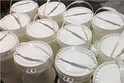
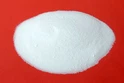
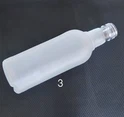
First off, let's talk about what glass etching cream actually is. It's a product that can change the surface of glass, making it frosted or creating cool designs. There are different types, like the Chemical Glass Etching Cream. This stuff is pretty powerful and can do some amazing things to glass. And then there's the Glass Etching Cream Chemicals, which are the key ingredients that make the etching process work. Also, we have the Glass Etching Paste, which is another form of the etching product, kind of thicker and easier to control in some cases.
Now, let's get into the impact on glass recycling. Glass recycling is a big deal these days. It helps save resources and reduce waste. But when glass has been treated with etching cream, things get a bit tricky.
One of the main issues is the chemical residue. Glass etching cream contains various chemicals, such as hydrofluoric acid or other strong acids and bases. When these chemicals are used on glass, they can leave a residue on the surface. During the recycling process, this residue can contaminate the recycling equipment and the other glass being recycled. For example, the acid residue might react with the metal parts in the recycling machinery, causing corrosion and reducing the lifespan of the equipment. And if the contaminated glass is melted down with other clean glass, it can affect the quality of the recycled glass. The recycled glass might have impurities, which could make it less suitable for certain applications, like making high - quality glass bottles or windows.

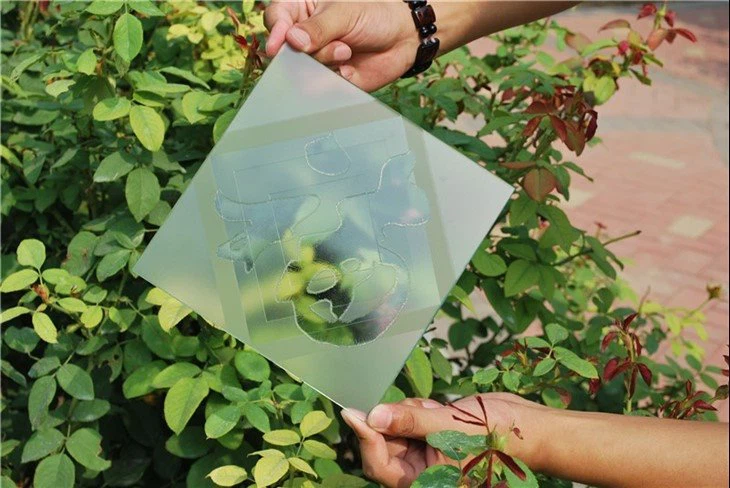
Another problem is the change in the glass structure. Etching cream works by chemically attacking the surface of the glass. This changes the smooth and uniform structure of the glass. When recycled, the altered glass might not melt and reform as easily as untreated glass. The irregular surface and structure can cause uneven heating during the melting process, leading to bubbles or other defects in the recycled glass. This means that the recycled glass might not meet the standards for some products, and it could end up being used for lower - quality applications or even discarded again.
However, it's not all bad news. There are ways to mitigate these impacts. One approach is to thoroughly clean the etched glass before recycling. This can involve using special cleaning agents to remove the chemical residue. But this process can be time - consuming and expensive. Another option is to separate the etched glass from the non - etched glass at the recycling facility. This way, the non - etched glass can be recycled as normal, and the etched glass can be treated separately. Some advanced recycling technologies are also being developed to deal with etched glass more effectively. These technologies aim to break down the chemicals and restore the glass to a more recyclable state.
As a supplier of glass etching cream, I understand the concerns about its impact on glass recycling. That's why we're constantly working on improving our products. We're researching and developing new formulations that are more environmentally friendly and leave less residue on the glass. We're also looking into ways to provide better guidance to our customers on how to recycle etched glass properly.
If you're in the market for glass etching cream, whether it's the Chemical Glass Etching Cream, Glass Etching Cream Chemicals, or Glass Etching Paste, we've got you covered. We offer high - quality products that can help you create amazing glass designs. And we're committed to being part of the solution when it comes to glass recycling.
If you have any questions about our products, or if you're interested in purchasing, don't hesitate to reach out. We're always happy to have a chat and discuss your needs. Whether you're a small - scale crafter or a large - scale manufacturer, we can work together to find the right glass etching solution for you.
In conclusion, while glass etching cream does have an impact on glass recycling, there are solutions and ways to minimize these effects. As an industry, we need to keep working towards more sustainable practices. And as a supplier, I'm excited to be part of this journey towards a greener future for glass etching and recycling.
References:
- "Glass Recycling: Principles and Practices" - A comprehensive guide on glass recycling processes and challenges.
- "Chemical Effects on Glass Surface and Recycling" - Research paper on the impact of chemicals used in glass treatment on the recycling process.