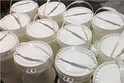
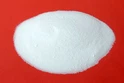
As a supplier of Glass Etching Powder, I often receive inquiries from customers about how to remove the residue left by the powder after the glass etching process. Glass etching powder is a popular choice for creating decorative and functional glass products due to its effectiveness in achieving various etching effects. However, the residue can sometimes be a nuisance, especially when a clean and clear finish is desired. In this blog post, I will share some effective methods to remove glass etching powder residue from the glass.
Understanding the Nature of Glass Etching Powder Residue
Before diving into the removal methods, it's important to understand what glass etching powder residue is composed of. Glass etching powder typically contains chemicals such as hydrofluoric acid salts, which react with the glass surface to create the etched pattern. After the etching process, the unreacted powder and the by - products of the chemical reaction remain on the glass as residue. This residue can vary in appearance, from a fine white powder to a more stubborn film, depending on factors such as the type of etching powder used, the etching time, and the glass surface characteristics.
Initial Cleaning Steps
The first step in removing glass etching powder residue is to perform some basic cleaning. Start by rinsing the etched glass under running water. This will help to remove loose powder particles and some of the soluble residues. Use lukewarm water, as it is more effective in dissolving many substances than cold water. Gently rub the glass surface with your fingers or a soft sponge to dislodge any stubborn particles.
Using Mild Detergents
If the residue persists after rinsing, a mild detergent can be used. Mix a small amount of a gentle dish - washing liquid with warm water in a bucket or basin. Immerse the glass in the soapy water and let it soak for a few minutes. This allows the detergent to break down the residue. Then, use a soft cloth or sponge to gently scrub the glass surface. Avoid using abrasive materials such as steel wool or rough brushes, as they can scratch the glass and damage the etched pattern.
After scrubbing, rinse the glass thoroughly under running water to remove all traces of the detergent. Check the glass for any remaining residue. If there are still spots, proceed to the next step.
Vinegar Solution
Vinegar is a natural and effective cleaning agent that can be used to remove glass etching powder residue. Mix equal parts of white vinegar and water in a spray bottle. Spray the solution onto the glass surface and let it sit for 5 - 10 minutes. The acetic acid in vinegar helps to dissolve some of the chemical residues.
Use a soft cloth or paper towel to wipe the glass in a circular motion. The vinegar will also help to neutralize any remaining acidic components from the etching powder. Rinse the glass well with water after using the vinegar solution to prevent any vinegar odor from remaining on the glass.
Baking Soda Paste
For more stubborn residue, a baking soda paste can be very effective. Baking soda is a mild abrasive that can help to lift the residue without scratching the glass. Mix baking soda with a small amount of water to form a thick paste.
Apply the paste to the glass surface using a soft cloth or sponge. Gently rub the paste into the residue in a circular motion. Let the paste sit on the glass for a few minutes to allow it to work on the residue. Then, rinse the glass thoroughly with water to remove the baking soda paste and the loosened residue.
Specialized Glass Cleaners
If the above methods do not completely remove the residue, there are specialized glass cleaners available on the market. Look for cleaners that are specifically designed for removing tough stains and residues from glass. These cleaners often contain stronger chemicals that can break down the stubborn etching powder residue.


Before using a specialized cleaner, read the instructions carefully and test it on a small, inconspicuous area of the glass to ensure that it does not damage the etched pattern or the glass itself. Apply the cleaner according to the manufacturer's instructions, usually by spraying it onto the glass and wiping it off with a clean cloth.
Preventing Residue Build - Up
To minimize the amount of residue left after the glass etching process, it is important to follow the correct procedures. First, make sure to use the appropriate amount of glass etching powder. Using too much powder can result in more residue. Follow the recommended application time provided by the powder manufacturer. Over - etching can also lead to increased residue.
After the etching process, immediately rinse the glass thoroughly to remove as much of the unreacted powder as possible. This can prevent the powder from drying and becoming more difficult to remove.
Conclusion
Removing glass etching powder residue from the glass can be a straightforward process if the right methods are used. By starting with basic cleaning steps and gradually moving on to more powerful cleaning agents, you can achieve a clean and clear glass surface. As a supplier of Glass Etching Powder, I understand the importance of a high - quality finish for your glass products. If you have any further questions about glass etching powder or the residue removal process, feel free to contact us for more information.
We offer a wide range of glass etching products, including AG GALSS ETCING POWDER FOR ACID ETCHING GLASS PRODUCTION, which is suitable for various glass etching applications. You can also learn more about the etching process from our resources such as Etching Glass with Chemicals and Chemical Etching for Glass.
If you are interested in purchasing our glass etching powder or other related products, we welcome you to contact us for procurement negotiations. We are committed to providing you with high - quality products and excellent customer service.
References
- "Glass Etching: A Comprehensive Guide", Glass Industry Journal, 20XX
- "Cleaning and Maintenance of Etched Glass", Home Decor Magazine, 20XX
- Product Manuals of Glass Etching Powder, [Manufacturer Name], 20XX