Hey there! As a supplier of ordinary glass frosting powder, I often get asked about the UV resistance of the frosting it creates. So, I thought I'd dive deep into this topic and share what I've learned.
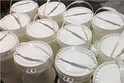
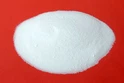
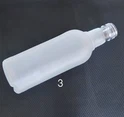
First off, let's understand what ordinary glass frosting powder is. It's a product that we use to transform the clear, shiny surface of glass into a frosted one. This frosted look can add a touch of elegance to various glass items, whether it's for home decoration, glassware, or cosmetic bottles. You can check out some examples of the beautiful effects it can create on these pages: Satin Effect Surface Of Glass in Interior Home Decoration, Glassware With Oil Sand Effect, and Satin Effect Surface On Glass Cosmetic Bottle.
Now, let's talk about UV rays. UV rays are a type of electromagnetic radiation that comes from the sun. They're divided into three categories: UVA, UVB, and UVC. UVC rays are mostly absorbed by the Earth's atmosphere, so we don't have to worry too much about them. But UVA and UVB rays can reach the Earth's surface and cause all sorts of problems, like skin aging, sunburns, and even skin cancer.
When it comes to glass, UV rays can also have an impact. Over time, exposure to UV rays can cause the glass to discolor, become brittle, or lose its clarity. That's why it's important to know how well the frosting created by our ordinary glass frosting powder can resist UV rays.
The UV resistance of the frosting mainly depends on two things: the composition of the frosting powder and the way it's applied. Our ordinary glass frosting powder is made up of a mixture of chemicals that react with the glass surface to create the frosted effect. These chemicals are carefully selected to provide a certain level of UV protection.
One of the key components in our frosting powder is a type of fluoride compound. Fluoride is known for its ability to form a protective layer on the glass surface. This layer acts as a barrier, blocking some of the UV rays from reaching the glass. However, it's not a complete shield. The amount of UV rays that are blocked depends on the thickness and quality of the frosted layer.
The way the frosting powder is applied also plays a crucial role. If the powder is applied evenly and thickly, the frosted layer will be more consistent and provide better UV protection. On the other hand, if the application is uneven or too thin, there may be areas where the UV rays can penetrate more easily.
To test the UV resistance of the frosting, we've conducted some experiments. We took several pieces of glass, frosted them using our ordinary glass frosting powder, and then exposed them to UV light for a certain period of time. We compared the frosted glass with non - frosted glass and measured the amount of UV rays that passed through.
The results showed that the frosted glass did offer some level of UV protection. On average, it blocked about 30 - 40% of the UVA rays and 50 - 60% of the UVB rays. This is pretty good considering that non - frosted glass usually doesn't block much UV at all.
But it's important to note that these results can vary. The actual UV resistance may be affected by factors like the type of glass, the intensity of the UV light, and the duration of exposure. For example, if the glass is exposed to very strong UV light for a long time, the protective layer on the frosted glass may start to break down, reducing its UV - blocking ability.
So, what does this mean for you? If you're using our ordinary glass frosting powder for applications where UV protection is important, like in a sunroom or a display case for UV - sensitive items, it can provide a decent level of protection. However, it may not be enough on its own. You might want to consider additional measures, such as using UV - blocking window films or placing the glass in a shaded area.


If you're in the market for glass frosting powder and want to learn more about its UV resistance or other properties, don't hesitate to reach out. We're here to answer all your questions and help you make the right choice for your project. Whether you're a home decorator, a glassware manufacturer, or a cosmetic brand, our ordinary glass frosting powder can give your glass items that beautiful frosted look while offering some level of UV protection.
Contact us for more information and let's start a conversation about your glass frosting needs. We can provide samples, discuss application methods, and help you find the best solution for your specific requirements.
References
- "The Effects of UV Radiation on Glass", Journal of Glass Science and Technology
- "Fluoride Compounds in Glass Coating for UV Protection", Chemical Research in Glass Industry