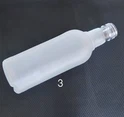
As a supplier specializing in acid etching for glass, I've had numerous inquiries about whether this technique can be effectively used on glass signs. In this blog post, I'll delve into the details of acid etching and explore its applicability to glass signs.
Understanding Acid Etching for Glass
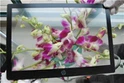
Acid etching is a process that uses acidic substances to create a frosted or decorative effect on the surface of glass. It works by chemically attacking the glass, removing a thin layer and leaving behind a textured or patterned area. This technique has been used for centuries to add aesthetic value to glass objects, from windows and mirrors to decorative pieces.
There are different types of acid etching processes, but the most common involves using hydrofluoric acid or a mixture of acids. Hydrofluoric acid is particularly effective because it reacts with the silica in the glass, creating a soluble compound that can be washed away. This results in a smooth, frosted finish that is both durable and visually appealing.
Advantages of Acid Etching for Glass Signs
- Aesthetic Appeal: Acid etching can create a wide range of designs and patterns on glass signs, from simple lettering to intricate artwork. The frosted effect adds a touch of elegance and sophistication, making the signs stand out from the crowd. Whether you're looking for a modern, minimalist look or a more traditional, ornate design, acid etching can help you achieve your desired aesthetic.
- Durability: Once the acid etching process is complete, the design is permanently etched into the glass. This means that the signs are resistant to fading, scratching, and other forms of damage, ensuring that they maintain their appearance for years to come. Unlike painted or printed signs, which can chip or peel over time, acid-etched signs are a long-lasting and reliable option.
- Versatility: Acid etching can be used on a variety of glass types, including clear, colored, and textured glass. This allows you to choose the type of glass that best suits your needs and preferences, whether you're looking for a transparent sign that allows light to pass through or a more opaque sign that provides privacy. Additionally, acid etching can be combined with other techniques, such as sandblasting or engraving, to create even more unique and personalized designs.
- Customization: One of the biggest advantages of acid etching for glass signs is the ability to customize the design to your specific requirements. Whether you have a logo, a slogan, or a unique design in mind, our team of experts can work with you to bring your vision to life. We use state-of-the-art technology and techniques to ensure that the design is accurately reproduced on the glass, with sharp edges and clear details.
Applications of Acid Etching for Glass Signs
- Business Signs: Acid-etched glass signs are a popular choice for businesses of all sizes, from small startups to large corporations. They can be used to create storefront signs, office signs, directional signs, and more. The frosted effect adds a professional and sophisticated look to the signs, making them a great way to enhance the brand image and attract customers.
- Interior Signs: Acid-etched glass signs can also be used indoors to create a variety of decorative and functional signs. They can be used to label rooms, offices, and departments, as well as to add a touch of style to reception areas, lobbies, and other public spaces. The frosted effect can help to reduce glare and create a more comfortable and inviting environment.
- Event Signs: Acid-etched glass signs are a great option for events, such as weddings, parties, and conferences. They can be used to create custom signs for the event, such as welcome signs, table numbers, and directional signs. The frosted effect adds a touch of elegance and sophistication to the signs, making them a memorable and unique addition to any event.
The Acid Etching Process for Glass Signs
The acid etching process for glass signs typically involves the following steps:
- Design Preparation: The first step is to create a design for the glass sign. This can be done using computer-aided design (CAD) software or by hand. Once the design is complete, it is printed onto a special film that is used as a stencil.
- Glass Preparation: The glass is then cleaned and prepared for the etching process. This involves removing any dirt, grease, or other contaminants from the surface of the glass. The glass is also masked with a protective film to prevent the acid from etching the areas that are not part of the design.
- Etching: The stencil is then applied to the glass, and the acid is carefully applied to the exposed areas of the glass. The acid is left on the glass for a specific amount of time, depending on the type of acid and the desired depth of the etching. Once the etching is complete, the acid is neutralized and the glass is rinsed thoroughly with water.
- Finishing: After the etching is complete, the glass is cleaned and dried. The stencil and the protective film are removed, and the glass is inspected for any defects or imperfections. If necessary, the glass can be polished or buffed to achieve a smooth and even finish.
Choosing the Right Acid Etching Supplier
When choosing an acid etching supplier for your glass signs, it's important to consider the following factors:


- Experience and Expertise: Look for a supplier that has extensive experience and expertise in acid etching for glass signs. A reputable supplier will have a team of skilled technicians who are familiar with the latest techniques and technologies in the industry. They will also be able to provide you with samples of their work and references from satisfied customers.
- Quality of Materials and Equipment: The quality of the materials and equipment used in the acid etching process can have a significant impact on the final result. Look for a supplier that uses high-quality acids, stencils, and other materials, as well as state-of-the-art equipment and technology. This will ensure that your glass signs are of the highest quality and that they meet your expectations.
- Customization Options: As mentioned earlier, one of the biggest advantages of acid etching for glass signs is the ability to customize the design to your specific requirements. Look for a supplier that offers a wide range of customization options, such as different types of glass, colors, and finishes. They should also be able to work with you to create a unique and personalized design that reflects your brand identity and style.
- Customer Service: Finally, it's important to choose a supplier that provides excellent customer service. A good supplier will be responsive to your inquiries and concerns, and they will work with you to ensure that your project is completed on time and within budget. They should also be willing to provide you with ongoing support and maintenance for your glass signs.
Conclusion
In conclusion, acid etching is a versatile and effective technique that can be used to create beautiful and durable glass signs. Whether you're looking for a business sign, an interior sign, or an event sign, acid etching can help you achieve your desired aesthetic and functionality. As a supplier of Chemical Etching for Glass, Etching Glass by Acid Chemical, and Etching Powder for Glass, we have the experience, expertise, and resources to provide you with high-quality glass signs that meet your specific needs and requirements.
If you're interested in learning more about acid etching for glass signs or if you have a project that you would like to discuss, please don't hesitate to contact us. We would be happy to provide you with a free consultation and quote. Let's work together to create a glass sign that will make a lasting impression.
References
- Smith, J. (2018). Glass Etching Techniques. New York: Glass Publishing.
- Johnson, A. (2019). The Art of Acid Etching. London: Art Books.
- Brown, K. (2020). Acid Etching for Beginners. Sydney: DIY Guides.