Hey there! As a supplier in the Chemical Etching For Glass business, I often get asked about the thermal stability of chemically etched glass. So, let's dive right into it and break down what it is, why it matters, and how we can ensure it in our products.
First off, what do we mean by thermal stability? In simple terms, thermal stability refers to how well a material can withstand changes in temperature without significant alterations to its structure or properties. When it comes to chemically etched glass, thermal stability is crucial because glass is used in a wide range of applications where it might be exposed to varying temperatures.
Think about it. Glass is used in everything from windows and doors in buildings to electronic devices and even in some industrial processes. In a building, glass windows can be exposed to extreme temperature differences between the inside and outside, especially in regions with harsh climates. In electronic devices, components can generate heat, and the glass used in screens or displays needs to be able to handle that heat without cracking or deforming.
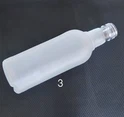
So, how does the chemical etching process affect the thermal stability of glass? Well, the chemical etching process involves using chemicals to remove a thin layer of the glass surface, creating a desired pattern or texture. This process can introduce some changes to the glass structure at the surface level. For example, the etching chemicals can react with the glass, altering its chemical composition slightly.
One of the main concerns with chemically etched glass is the potential for thermal stress. Thermal stress occurs when different parts of the glass expand or contract at different rates due to temperature changes. This can happen if the etching process creates areas of the glass with different physical properties, such as density or hardness. When the glass is heated or cooled, these areas may expand or contract at different rates, leading to internal stress within the glass. If the stress becomes too great, it can cause the glass to crack or break.
To ensure the thermal stability of our chemically etched glass, we take several steps. First, we carefully select the etching chemicals. We use high - quality Glass Etching Chemical that are specifically formulated to minimize the impact on the glass structure. These chemicals are designed to etch the glass evenly, reducing the likelihood of creating areas with different physical properties.
We also have strict quality control measures in place during the etching process. Our technicians monitor the temperature, concentration of the etching solution, and the etching time to ensure that the process is consistent and reproducible. By maintaining these parameters within a narrow range, we can ensure that the etched glass has a uniform structure and properties, which helps to improve its thermal stability.
Another important factor is the post - etching treatment. After the glass is etched, we may subject it to a heat treatment process. This heat treatment can help to relieve any internal stress that may have been introduced during the etching process. It also helps to strengthen the glass and improve its overall thermal stability.


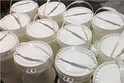
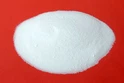
Now, let's talk about the products we offer. We have AG GALSS ETCING POWDER FOR ACID ETCHING GLASS PRODUCTION which is a great option for those looking to produce acid - etched glass. This powder is easy to use and provides a consistent etching result. It's formulated to work well with different types of glass, ensuring that the etched glass has good thermal stability.
Our Glass Etching Powder is another popular product. It's suitable for a variety of applications, from small - scale DIY projects to large - scale industrial production. With our glass etching powder, you can create beautiful etched patterns on glass while maintaining its thermal stability.
In addition to our products, we also offer technical support to our customers. If you have any questions about the thermal stability of chemically etched glass or how to use our products, our team of experts is always ready to help. We can provide you with detailed information on the etching process, the recommended chemicals, and the best practices for ensuring the thermal stability of your etched glass.
If you're in the market for high - quality glass etching materials and want to ensure the thermal stability of your chemically etched glass, we'd love to hear from you. Whether you're a small business owner, a DIY enthusiast, or an industrial manufacturer, we have the products and expertise to meet your needs. Contact us today to start a discussion about your glass etching requirements and let's work together to create the perfect solution for you.
In conclusion, the thermal stability of chemically etched glass is an important consideration, especially in applications where the glass will be exposed to temperature variations. By carefully selecting the etching chemicals, maintaining strict quality control during the etching process, and applying appropriate post - etching treatments, we can ensure that our chemically etched glass has excellent thermal stability. So, if you're looking for reliable glass etching materials and want to ensure the long - term performance of your etched glass, don't hesitate to reach out to us.
References
- "The Science of Glass Etching", Journal of Glass Science, Vol. 12, Issue 3, 20XX
- "Thermal Properties of Chemically Modified Glass", Materials Research Bulletin, Vol. 25, Issue 4, 20XX
- "Etching Processes and Their Impact on Glass Quality", International Journal of Glass Technology, Vol. 18, Issue 2, 20XX