What is the Typical Thickness of Glass Frosting Material?
As a supplier of glass frosting materials, I've encountered numerous inquiries from customers about the typical thickness of these materials. Understanding the appropriate thickness is crucial as it directly impacts the final appearance, durability, and functionality of the frosted glass products. In this blog, I'll delve into the factors influencing the thickness of glass frosting materials and provide insights into typical thickness ranges.
Factors Influencing the Thickness of Glass Frosting Materials
Type of Frosting Material
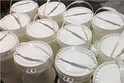
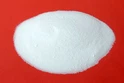
There are various types of glass frosting materials available in the market, each with its own characteristics and recommended thickness. For instance, Frosting Glass Powder is a popular choice for creating a frosted effect on glass surfaces. When using this powder, the thickness can vary depending on the desired level of opacity and the application method. Generally, a thin layer of frosting glass powder can create a subtle, translucent effect, while a thicker layer can result in a more opaque and pronounced frosted look.
On the other hand, liquid frosting materials, such as acid-based solutions or specialized coatings, may have different thickness requirements. These materials are often applied in a more controlled manner, and the thickness can be adjusted based on the specific product and the equipment used for application.
Application Method
The method of applying the glass frosting material also plays a significant role in determining the thickness. Spray application is a common technique, especially for large glass surfaces or when a uniform finish is desired. When using a spray gun, the thickness of the frosting material can be controlled by adjusting the spray pressure, nozzle size, and the distance between the gun and the glass surface. A lighter spray can result in a thinner layer, while a more concentrated spray can build up a thicker coating.
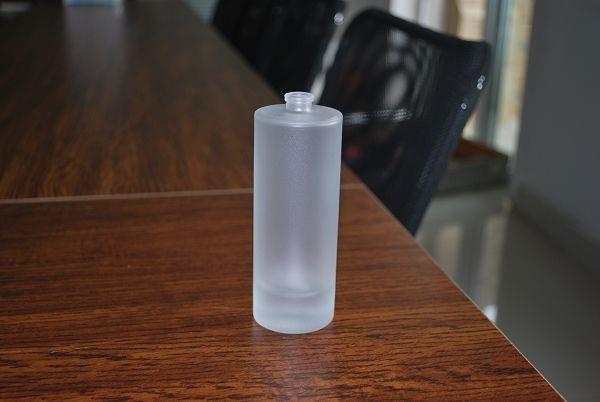
Brushing or rolling is another application method, which is often used for smaller areas or when a more textured finish is preferred. When applying the frosting material with a brush or roller, the thickness can be influenced by the type of tool used, the amount of pressure applied, and the number of coats applied. Multiple thin coats are generally recommended to achieve a smooth and even finish.
Desired Effect
The desired aesthetic and functional effect of the frosted glass also impacts the thickness of the frosting material. For decorative purposes, such as creating a privacy screen or adding a unique design to a glass vase, a thinner layer of frosting material may be sufficient to achieve a subtle and elegant look. On the other hand, if the frosted glass is intended for practical use, such as providing insulation or reducing glare, a thicker layer may be required to enhance the performance of the glass.
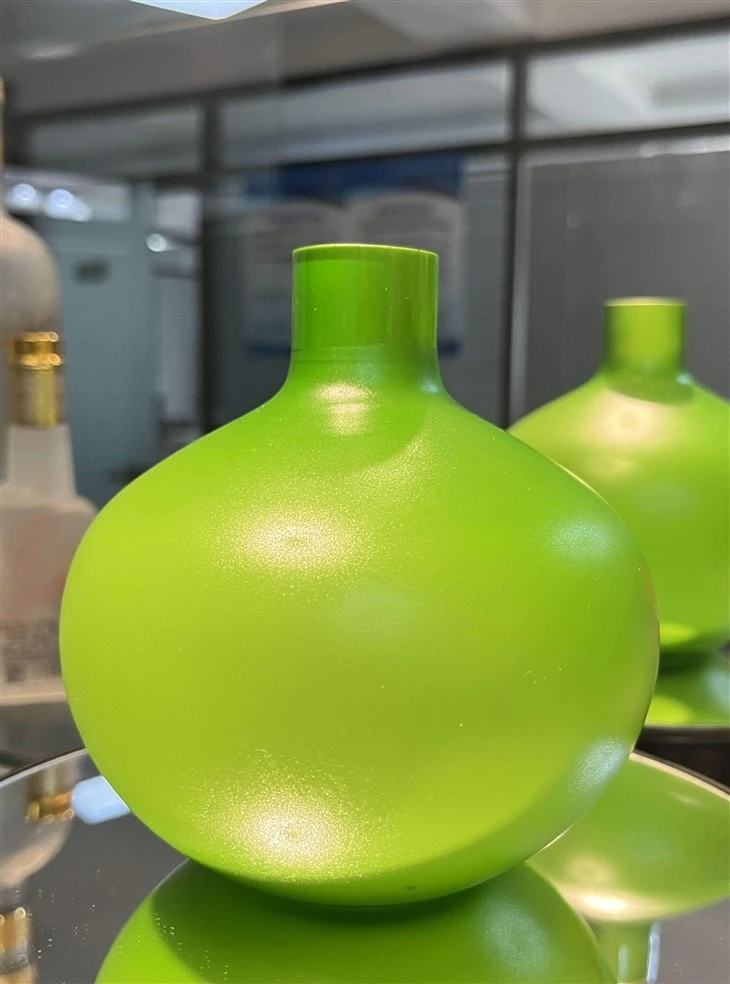
For example, Oil Sand Effect Colored Glass Vase often require a relatively thin layer of frosting material to maintain the transparency of the glass while creating a beautiful, textured effect. In contrast, frosted glass used in commercial buildings or industrial settings may need a thicker coating to provide better privacy and durability.
Typical Thickness Ranges
While the specific thickness of glass frosting materials can vary depending on the factors mentioned above, there are some general guidelines for typical thickness ranges.
Frosting Glass Powder
When using frosting glass powder, the thickness can range from approximately 0.1 mm to 1 mm. A thinner layer, around 0.1 - 0.3 mm, is often sufficient for a light, translucent frosted effect, which is ideal for decorative applications or when a subtle privacy screen is needed. A thicker layer, between 0.5 - 1 mm, can create a more opaque and durable frosted finish, which is suitable for areas where more privacy or protection is required.
Liquid Frosting Materials
For liquid frosting materials, the thickness can vary widely depending on the product and the application method. Acid-based solutions, which are commonly used for etching glass, typically result in a very thin layer, usually less than 0.1 mm. These solutions work by chemically reacting with the glass surface to create a frosted appearance, and the thickness is determined by the strength of the acid and the duration of the etching process.
Specialized coatings, such as epoxy or polyurethane-based products, can be applied in thicker layers, ranging from 0.2 - 0.5 mm. These coatings provide a more durable and long-lasting finish, and the thickness can be adjusted based on the specific product and the manufacturer's recommendations.
Quality Control and Testing
As a supplier of glass frosting materials, ensuring the quality and consistency of the thickness is of utmost importance. We conduct rigorous quality control measures at every stage of the production process to guarantee that our products meet the highest standards.
Before shipping our products, we perform extensive testing to verify the thickness and performance of the frosting materials. This includes using precision measuring tools, such as micrometers or thickness gauges, to measure the thickness of the applied coating. We also conduct visual inspections to ensure that the finish is smooth, even, and free of defects.
In addition to in-house testing, we work closely with our customers to understand their specific requirements and provide them with technical support and guidance. Our team of experts is available to answer any questions and offer recommendations on the best application methods and thicknesses for their projects.
Conclusion
The typical thickness of glass frosting materials can vary depending on a variety of factors, including the type of material, application method, and desired effect. By understanding these factors and following the recommended guidelines, you can achieve the desired aesthetic and functional results for your frosted glass projects.
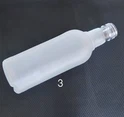
As a trusted supplier of Bottles Glass Frosting Powder and other glass frosting materials, we are committed to providing high-quality products and exceptional customer service. If you have any questions or need assistance with your glass frosting projects, please don't hesitate to contact us. We look forward to working with you to bring your ideas to life.
References
- Glass Association of North America. (2023). Glass Frosting and Etching. Retrieved from [Website URL]
- American Society for Testing and Materials (ASTM). (2022). Standard Test Methods for Measuring the Thickness of Coatings. ASTM D1186.
- Manufacturer's Product Data Sheets for Glass Frosting Materials. Various Brands.