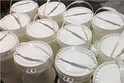
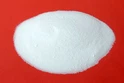
When it comes to glass etching, one of the most commonly used tools in the industry is etching powder for glass. As a leading supplier of Glass Etching Powder, I've received numerous inquiries regarding the typical thickness of the etch created by this product. In this blog post, I'll delve into this topic, exploring the factors that influence etch thickness and providing some general guidelines based on our extensive experience in the field.
Understanding Glass Etching with Powder
Glass etching powder is a chemical compound that, when mixed with water or other solvents, creates a reactive solution capable of altering the surface of glass. This process involves the dissolution of the glass's surface layer, resulting in a frosted or textured appearance. The thickness of the etch is essentially the depth to which the glass surface is removed during this chemical reaction.
There are two main types of glass etching methods using powder: chemical etching and acid etching. Etching Glass with Chemicals typically involves non - acidic compounds that react with the glass surface in a controlled manner. On the other hand, Etching Glass by Acid Chemical uses acidic substances that can be more aggressive in their etching action.
Factors Affecting Etch Thickness
1. Composition of the Etching Powder
The chemical composition of the etching powder plays a crucial role in determining the etch thickness. Different powders contain varying amounts of active ingredients such as hydrofluoric acid (in acid - based powders) or other chemical agents. Powders with a higher concentration of active components tend to etch the glass more deeply. For example, a powder with a high percentage of hydrofluoric acid will generally create a thicker etch compared to a milder, non - acidic powder.
2. Concentration of the Etching Solution
Once the powder is mixed with a solvent, the concentration of the resulting solution is a key factor. A more concentrated solution will have a stronger etching effect, leading to a greater etch thickness. However, it's important to note that extremely high concentrations can be dangerous and may also cause uneven etching or damage to the glass.
3. Etching Time
The length of time the glass is exposed to the etching solution directly impacts the etch thickness. Longer exposure times allow the chemical reaction to continue, resulting in a deeper etch. But this relationship is not always linear. After a certain point, further exposure may not significantly increase the etch thickness and could instead lead to over - etching, which can cause the glass to become brittle or develop an uneven surface.
4. Temperature
Temperature affects the rate of the chemical reaction during glass etching. Higher temperatures generally speed up the reaction, leading to a thicker etch in a shorter period. However, working with high - temperature solutions can be hazardous, and there is also a risk of the solution evaporating too quickly, which can cause uneven etching.
5. Type of Glass
Different types of glass have different chemical compositions and physical properties, which can influence how they react to the etching powder. For example, soda - lime glass, which is commonly used in windows and bottles, may etch differently from borosilicate glass, which is more resistant to chemical attack. The hardness and surface quality of the glass also play a role; a smoother glass surface may etch more evenly than a rough one.
Typical Etch Thickness Ranges
Based on our experience and industry standards, the typical etch thickness created by glass etching powder can range from a few micrometers to several hundred micrometers.
For light etching, which is often used for decorative purposes such as creating a subtle frosted effect on glass doors or windows, the etch thickness is usually in the range of 5 - 20 micrometers. This type of etching is achieved with a relatively mild etching solution and a short exposure time.
Medium etching, which provides a more pronounced frosted appearance and can be used for signage or privacy glass, typically results in an etch thickness of 20 - 100 micrometers. This requires a slightly more concentrated solution and a longer exposure time compared to light etching.
Heavy etching, used for applications where a deep, textured effect is desired, such as in some artistic glass pieces or industrial components, can have an etch thickness of 100 - 300 micrometers or more. Heavy etching usually involves a highly concentrated solution and a long exposure time, often with careful monitoring to ensure an even etch.
Controlling Etch Thickness for Quality Results
To achieve the desired etch thickness, it's essential to carefully control the factors mentioned above. Start by selecting the appropriate etching powder based on the type of glass and the desired etch effect. Then, accurately measure the powder and solvent to create a solution with the right concentration.


Use a timer to control the etching time precisely. It's also a good idea to conduct a test on a small piece of the same type of glass before proceeding with a large - scale project. This allows you to adjust the parameters as needed to achieve the perfect etch thickness.
Maintain a consistent temperature throughout the etching process. If necessary, use a water bath or other temperature - control methods to keep the solution at an optimal temperature.
Conclusion
In conclusion, the typical thickness of the etch created by etching powder for glass can vary widely depending on several factors, including the powder's composition, solution concentration, etching time, temperature, and the type of glass. By understanding these factors and carefully controlling them, it's possible to achieve a wide range of etch thicknesses for different applications.
As a supplier of high - quality glass etching powder, we are committed to providing our customers with the best products and technical support. Whether you're a professional glass artist, an industrial manufacturer, or a DIY enthusiast, we can help you select the right etching powder and guide you on achieving the desired etch thickness.
If you're interested in purchasing our glass etching powder or have any questions about the etching process, we invite you to contact us for a detailed discussion. We look forward to working with you to bring your glass - etching projects to life.
References
- Glass Manufacturing Handbook: A Comprehensive Guide to Glass Production and Processing
- Journal of Glass Science and Technology, various issues related to glass etching
- Industry standards and guidelines for glass etching processes.