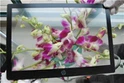
Hey there! As a supplier of anti glare glass, I'm super excited to chat with you about the different types of anti glare glass available in the market. Anti glare glass is a game - changer, especially in today's world where we're constantly surrounded by screens and reflective surfaces. It reduces glare and reflections, making it easier to view whatever's on the glass surface, whether it's a digital display or a piece of artwork.
Let's start with the first type, the Anti Glare Etched Glass. This type of anti glare glass is created through an etching process. During this process, the surface of the glass is treated with an acid or a mechanical method to create a micro - rough surface. This micro - roughness scatters the light that hits the glass, reducing the amount of reflected light and thus minimizing glare.
Etched anti glare glass is really versatile. It can be used in a wide range of applications. For instance, in picture frames. If you've ever tried to hang a beautiful painting in a room with a lot of natural light, you'll know how annoying it can be when the reflection from the glass makes it hard to see the artwork clearly. Anti glare etched glass solves this problem. It allows you to enjoy the full beauty of the painting without any distractions from glare.
Another great application is in display cases. Whether it's in a museum, a jewelry store, or a retail shop, anti glare etched glass ensures that the items inside the case are visible from all angles. Customers can have a clear view of the products, which is crucial for making sales.
Next up is the Anti Glare(AG) Etched Glass. This is a more advanced version of the basic etched glass. The AG etched glass offers even better anti - glare performance. It's engineered to have a more uniform and fine - tuned surface texture.
One of the key benefits of AG etched glass is its high optical clarity. Even though it scatters light to reduce glare, it still maintains a high level of transparency. This makes it ideal for applications where both anti - glare properties and clear visibility are required. For example, in high - end digital signage. Digital signs are often placed in well - lit areas, and without proper anti - glare treatment, they can be difficult to read. AG etched glass ensures that the content on the sign is clear and visible, even in bright sunlight.
It's also commonly used in the automotive industry. In car dashboards, where there are multiple displays, glare can be a safety hazard. AG etched glass can be used to cover these displays, reducing glare and making it easier for the driver to read the information on the screens.
Now, let's talk about Anti - Glare Glass Touch Screen. In today's digital age, touch screens are everywhere, from smartphones and tablets to ATMs and industrial control panels. And glare can be a real pain point for users.
Anti - glare glass touch screens are designed to provide a smooth touch experience while minimizing glare. The anti - glare coating on these screens works by diffusing the light that hits the surface. This not only reduces glare but also improves the readability of the screen.
In the consumer electronics market, anti - glare glass touch screens are a huge selling point. For example, in laptops. Many people use their laptops outdoors or in brightly lit offices, and a glare - free screen makes a big difference in terms of usability. You can work or watch videos without constantly adjusting the angle of your laptop to avoid glare.
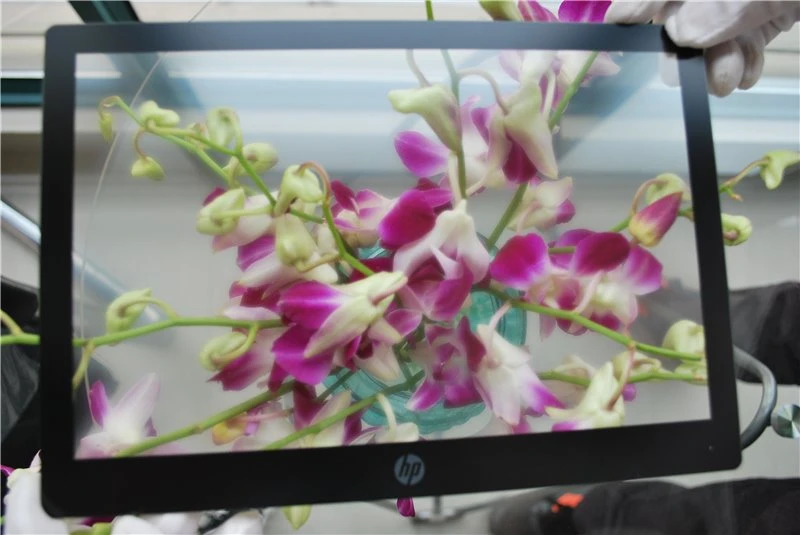

In industrial settings, anti - glare glass touch screens are essential. They are used in control panels in factories, where workers need to interact with the screens in various lighting conditions. The anti - glare feature ensures that the workers can operate the equipment safely and efficiently.
Apart from these main types, there are also other variations of anti glare glass. For example, there's anti glare laminated glass. This type of glass is made by sandwiching a layer of anti - glare material between two layers of glass. It offers enhanced strength and safety, in addition to anti - glare properties. It's often used in architectural applications, such as in building facades or interior partitions.
There's also anti glare coated glass. The coating is applied to the surface of the glass, and it can be customized to meet different levels of anti - glare requirements. This type of glass is relatively easy to produce and can be cost - effective for large - scale projects.
When choosing the right type of anti glare glass for your needs, there are a few factors to consider. First, think about the level of anti - glare performance you require. If you're dealing with very bright light conditions, you might need a more advanced type of anti glare glass, like the AG etched glass.
Second, consider the application. Different applications have different requirements in terms of optical clarity, strength, and touch sensitivity. For example, if it's for a touch screen, you'll need a glass that offers a good touch experience.
Finally, think about the budget. Some types of anti glare glass are more expensive than others. You need to find a balance between the performance you need and the cost you're willing to bear.
If you're in the market for anti glare glass, whether it's for a small project or a large - scale commercial application, I'd love to have a chat with you. As a supplier, I have a wide range of anti glare glass products to choose from, and I can help you find the perfect solution for your specific needs. Don't hesitate to reach out for a consultation and let's start the process of getting you the best anti glare glass for your project.
References:
- General knowledge about glass manufacturing and applications in various industries.
- Industry reports on the use of anti glare glass in different sectors.