Can acid etching for glass be used on colored glass? That's a question I get asked a lot as a supplier of acid etching products for glass. I'm here to share my insights and experiences on this topic to help you understand the possibilities and limitations.
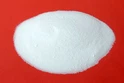
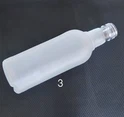
First off, let's talk about what acid etching is. Acid etching is a process where you use acidic substances to create a frosted or textured look on glass surfaces. It's a popular method for adding decorative elements to glass items like windows, mirrors, and bottles. There are different types of acid etching materials available, such as Glass Etching Powder and YK Glass Frosting Powder For Glass Bottles. These products work by reacting with the glass surface, removing a thin layer and leaving behind a matte finish.
Now, when it comes to colored glass, things get a bit more complicated. Colored glass is made by adding various metal oxides or other coloring agents to the glass during the manufacturing process. These coloring agents can affect how the glass reacts to acid etching.
One of the main concerns with acid etching colored glass is the potential for the acid to change the color of the glass. Some coloring agents are more resistant to acid than others. For example, certain metallic oxides used to create deep blues or greens might hold up well during the etching process, while other lighter or more delicate colors could fade or change.
In my experience, it's often possible to acid etch colored glass, but you need to do some testing first. I always recommend taking a small, inconspicuous piece of the colored glass and applying a small amount of the acid etching material. This will give you an idea of how the color will be affected. You can use Chemical Etching Materials For Glass Decoration for this test.
Another factor to consider is the thickness of the colored layer on the glass. If the color is just a thin coating on the surface, the acid might quickly eat through it, leaving the clear glass underneath. On the other hand, if the color is integrated throughout the glass, the etching process might be more predictable.
Let's look at some common types of colored glass and how they might react to acid etching:
Stained Glass
Stained glass is typically made by fusing small pieces of colored glass together with lead came. The colors in stained glass are usually quite stable because they are created by melting metal oxides into the glass. In many cases, you can acid etch stained glass to add a frosted effect to certain areas. However, you need to be careful not to over - etch, as this could damage the delicate lead came or cause the colors to become uneven.
Painted Glass
Painted glass has a layer of paint on the surface to create the color. Acid etching on painted glass is generally not a good idea. The acid will likely remove the paint along with the glass surface, leaving a mess. If you want to add a decorative effect to painted glass, you might want to consider other methods like sandblasting or using a vinyl stencil.
Dichroic Glass
Dichroic glass is a type of glass that has multiple thin layers of metal oxides deposited on its surface. These layers create a beautiful iridescent effect. Acid etching dichroic glass is tricky because the acid can damage the delicate metal oxide layers, ruining the unique color and visual effect. It's best to avoid acid etching dichroic glass unless you're absolutely sure of the outcome from your testing.


So, can you use acid etching on colored glass? The answer is yes, but with caution. Here are some tips to help you achieve good results:
- Test, test, test: As I mentioned earlier, always test the acid etching material on a small piece of the colored glass first. This will help you determine if the color will be affected and how the glass will react.
- Control the etching time: The longer the acid is in contact with the glass, the more it will etch. Start with a short etching time and gradually increase it if needed.
- Use the right materials: Make sure you're using high - quality acid etching materials that are suitable for the type of glass you're working with.
If you're a professional glass artist or a business looking to add acid - etched designs to colored glass products, I'm here to help. I've been in the acid etching for glass business for years, and I can provide you with the best products and advice. Whether you need Glass Etching Powder for a small project or a large quantity of YK Glass Frosting Powder For Glass Bottles for commercial production, I've got you covered.
If you have any questions or want to discuss your specific needs, don't hesitate to reach out. We can have a chat about the best approach for your colored glass etching projects. Whether you're looking to create custom - etched wine bottles, decorative windows, or any other glass items, I'm confident we can find the right solution for you.
In conclusion, acid etching can be used on colored glass, but it requires careful consideration and testing. With the right products and techniques, you can achieve some amazing results. So, if you're ready to take on the challenge of acid - etching colored glass, let's get started!
References
- "The Art of Glass Etching" by an unknown author. This book provides in - depth information on different glass etching techniques and materials.
- "Colored Glass Manufacturing: Processes and Properties" by a group of glass scientists. It offers detailed knowledge about how colored glass is made and the properties of different coloring agents.